
When California Requires SR-22 After Your Accident
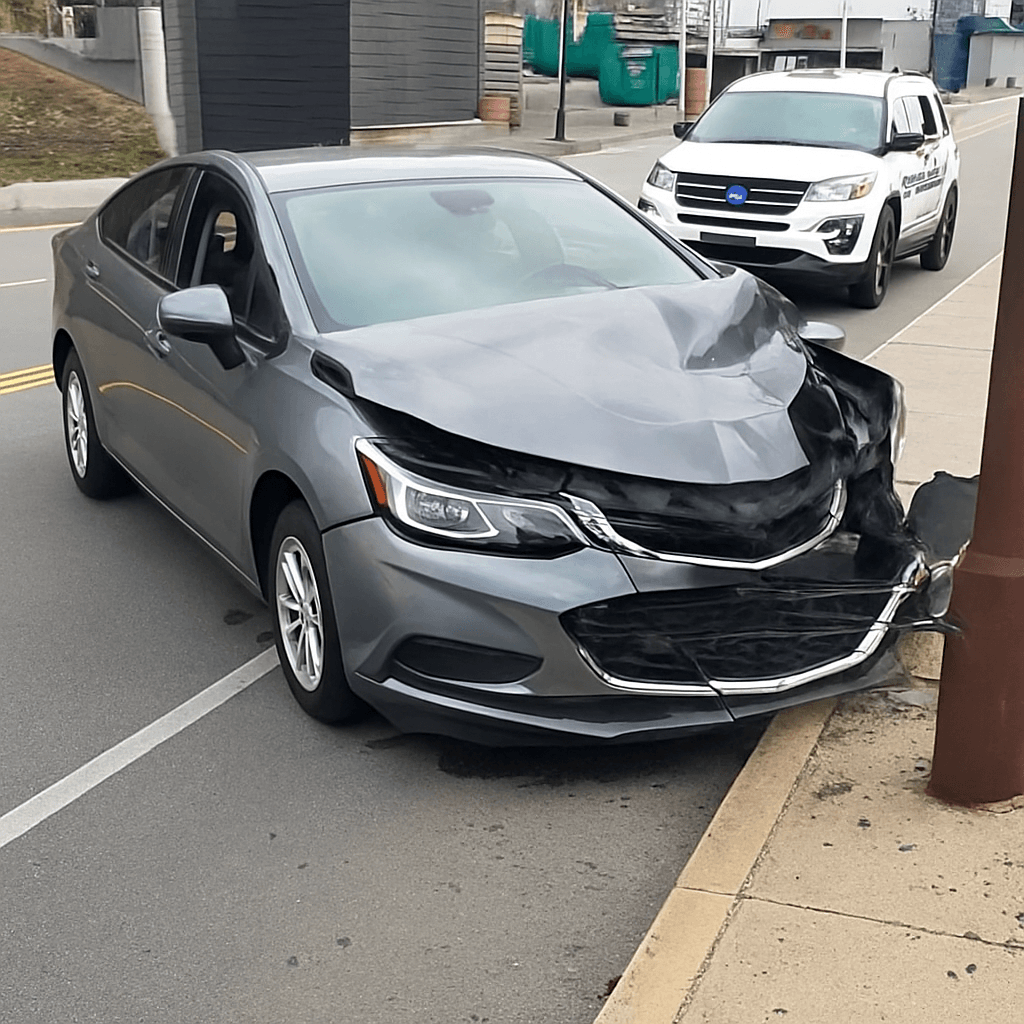
You were in an accident. The DMV sent you a suspension notice or the court added an SR-22 filing requirement to your conviction. Now you're trying to figure out what that means for getting your license back and whether you need to file immediately or wait for a reinstatement window. California splits SR-22 obligations into two separate pathways: DMV administrative suspensions triggered by the accident itself, and court-ordered filings tied to a conviction. Many drivers face both simultaneously and must satisfy each independently.
The DMV issues administrative per se (APS) suspensions under Vehicle Code §13353 when an accident involves driving under the influence, chemical test refusal, or negligent operator point accumulation. These suspensions happen regardless of what the court does with your case. The court issues separate SR-22 filing requirements under §13352 when you're convicted of DUI or reckless driving. If you were arrested for DUI after an accident, you're navigating two parallel systems with different timelines, different reinstatement fees, and different SR-22 filing start dates.
Compare car insurance rates in your state
Get quotes from licensed carriers — no obligation, no spam, results in minutes.
Get Your Free QuoteCalifornia License Reissue Fee
$125
California charges a $125 reissue fee to reinstate your license after most suspensions, including DUI-related administrative and conviction-based suspensions. This fee is separate from court fines, DUI program costs, and SR-22 filing fees.
California Vehicle Code §14904
Why Two SR-22 Paths Create Confusion
The DMV's administrative suspension starts 30 days after your arrest if you don't request a hearing within 10 days. The court's SR-22 requirement starts on the date of conviction, which can be months later. Drivers assume one SR-22 filing satisfies both, but California treats them as separate obligations. You can reinstate your license under the DMV's APS timeline, then lose it again weeks later when the court conviction triggers a new suspension period with its own SR-22 filing requirement.
Each suspension has its own reinstatement window, its own $125 reissue fee, and its own 3-year SR-22 filing period. If your APS suspension ends and you pay the $125 fee to reinstate, but your court conviction suspension is still active, you remain suspended. If you satisfy the court suspension but fail to satisfy the APS suspension, you remain suspended. Both must clear before you can drive legally.
Carriers file one SR-22 certificate that the DMV and courts both recognize, but the two agencies track your filing period independently. If your APS suspension requires SR-22 from January 1, 2025 through January 1, 2028, and your court conviction requires SR-22 from June 1, 2025 through June 1, 2028, you must maintain continuous SR-22 coverage through the later end date or face re-suspension from whichever agency's window you violated.
Paying the DMV reinstatement fee does not satisfy the court's SR-22 requirement. Clearing the court conviction does not satisfy the DMV's APS suspension. Both must resolve independently.
What You Must File to Reinstate After an Accident
For DMV administrative suspensions, the SR-22 filing period starts on the date your suspension lifts, not the date of the accident or arrest. If you were suspended for 4 months under APS, you serve the 4-month suspension first, then file SR-22 and pay the $125 reissue fee to reinstate. The 3-year SR-22 clock starts on your reinstatement date. If you let your SR-22 lapse at any point during those three years, the DMV re-suspends your license immediately and the clock resets.
For court-ordered SR-22, the filing period typically starts on the conviction date, but some judges order it to start on the date of sentencing or the date you complete your DUI program. The court order specifies the start date. You must maintain SR-22 coverage for three years from that date regardless of whether your license is currently suspended for other reasons. If your court SR-22 period overlaps with your DMV APS SR-22 period, you serve whichever period ends later—but both agencies must receive continuous proof of filing or either one will re-suspend you.
Related Articles


How Ignition Interlock Affects Your SR-22 Timeline
California's statewide ignition interlock device (IID) program under Vehicle Code §13353.3 allows first-offense DUI drivers to bypass the 30-day hard suspension entirely by installing an IID immediately and obtaining a restricted license. If you choose the IID path, you still must file SR-22, but your SR-22 filing period starts on the date you install the device and receive the restricted license, not 30 days later. The restricted license lets you drive anywhere with the IID installed; you're not limited to work or DUI program routes.
The IID restricted license lasts 12 months for a first offense. After 12 months, if you complete your DUI program and satisfy all other reinstatement conditions, you can apply to remove the IID and convert to a full unrestricted license. Your SR-22 filing obligation continues for the full 3-year period regardless of when you remove the IID. Drivers who skip the IID path serve the 30-day hard suspension, then apply for a restricted license that limits driving to work and DUI program only, and still must maintain SR-22 for three years from reinstatement.
Second and subsequent DUI offenses face longer hard suspension periods (typically 1 year) before restricted license eligibility, and IID is required for 2-3 years depending on offense count. Your SR-22 filing period runs concurrently with the IID requirement but does not end when the IID comes off. Track both independently or risk re-suspension when one window closes before the other.
California SR-22 Filing Period
3 years
California requires SR-22 filing for 3 years from reinstatement date for DUI-related suspensions and negligent operator actions. If your SR-22 lapses at any point during this period, the DMV re-suspends your license immediately and resets the 3-year clock from the new reinstatement date.
California Vehicle Code §16070
Finding Coverage That Will File SR-22 After an Accident
Not all carriers write SR-22 policies for drivers with recent accidents, and those that do price them in the non-standard tier. Geico, Progressive, and The General write SR-22 for post-accident drivers in California and offer online quotes. Bristol West, Dairyland, and Infinity specialize in high-risk SR-22 cases and write policies for drivers with DUI convictions plus accident history. State Farm writes SR-22 but typically declines new business for drivers with at-fault accidents in the past three years unless you were already insured with them before the accident.
Carriers charge a one-time SR-22 filing fee (typically $15-$35) to submit the certificate to the DMV electronically. This fee is separate from your premium. Your premium reflects the accident, the DUI or conviction if applicable, the SR-22 filing requirement, and your driving history over the past three years. Quotes vary by hundreds of dollars per month between carriers for the same coverage because each carrier prices post-accident risk differently. Compare at least three carriers that write SR-22 in California before committing.
What Happens If You Drive Without Filing SR-22
California's Electronic Financial Responsibility (EFR) program under Vehicle Code §16058 requires carriers to report all SR-22 filings and cancellations to the DMV electronically. If your SR-22 lapses because you cancel your policy, miss a payment, or switch carriers without having the new carrier file SR-22 before the old carrier cancels, the DMV receives notice within days and re-suspends your license immediately. There is no grace period.
Re-suspension for SR-22 lapse adds a new suspension period on top of resetting your 3-year filing clock. You must pay another $125 reissue fee, file a new SR-22, and serve the new suspension before you can reinstate again. If you were driving during the lapse period, you're driving on a suspended license, which is a misdemeanor under Vehicle Code §14601 and can result in vehicle impoundment, additional fines, and jail time. The court can extend your SR-22 filing requirement beyond the original 3 years if you're convicted of driving on a suspended license.
Compare SR-22 carriers now while your current coverage is still active. Lock in a new policy with SR-22 filing confirmed before you cancel the old one. The new carrier files SR-22 electronically the same day you bind coverage; the DMV updates your record within 24-48 hours. Never let a gap open between the old policy's cancellation date and the new policy's SR-22 filing date.