
You Got a California Suspension Living Somewhere Else
You were cited in California but you don't live here. Your home state DMV suspended your license because California reported the conviction through the interstate compact. Now you're getting conflicting instructions: California's DMV website says SR-22, your home state says they don't participate in SR-22, and the carrier you called says they can't help unless you're a California resident.
The structural reality: SR-22 filing follows your license jurisdiction, not the violation jurisdiction. You file where your license is issued. California cannot accept an SR-22 from you because you do not hold a California license. Your home state handles reinstatement under their rules, not California's rules, even though California triggered the suspension through the Driver License Compact reporting system.
Compare car insurance rates in your state
Get quotes from licensed carriers — no obligation, no spam, results in minutes.
Get Your Free QuoteDriver License Compact Members
45 states
California reports all DUI and major violations to your home state through the Driver License Compact. Your home state treats the California conviction as if it happened locally and suspends under their own statute. Reinstatement follows home-state rules, not California rules.
NAIC Driver License Compact member list
Where the Filing Actually Goes
California's SR-22 requirement only applies to California license holders. If you hold an out-of-state license, California has no mechanism to accept or track your SR-22 filing. The suspension appears on your California driving record as a courtesy notation, but reinstatement authority belongs to your home state DMV.
Your home state suspended your license because California reported the violation. Some states require SR-22 for DUI convictions regardless of where the conviction occurred. Others require FR-44 (Virginia and Florida). Others require proof of insurance without the SR-22 certificate form. A few states have no financial responsibility filing requirement at all and reinstate based on course completion and fees alone.
The carrier you work with must be licensed in your home state and must file the certificate with your home state DMV. A California-only carrier cannot help you. Geico, Progressive, State Farm, The General, and Dairyland write multi-state SR-22 and FR-44 policies and can file in most states. Bristol West and Acceptance Insurance also handle out-of-state filings but operate through brokers in some states.
Filing SR-22 in California when you hold an out-of-state license does nothing. Your home state DMV will not see it, and your suspension remains active.
How to Identify Your Home State's Requirement
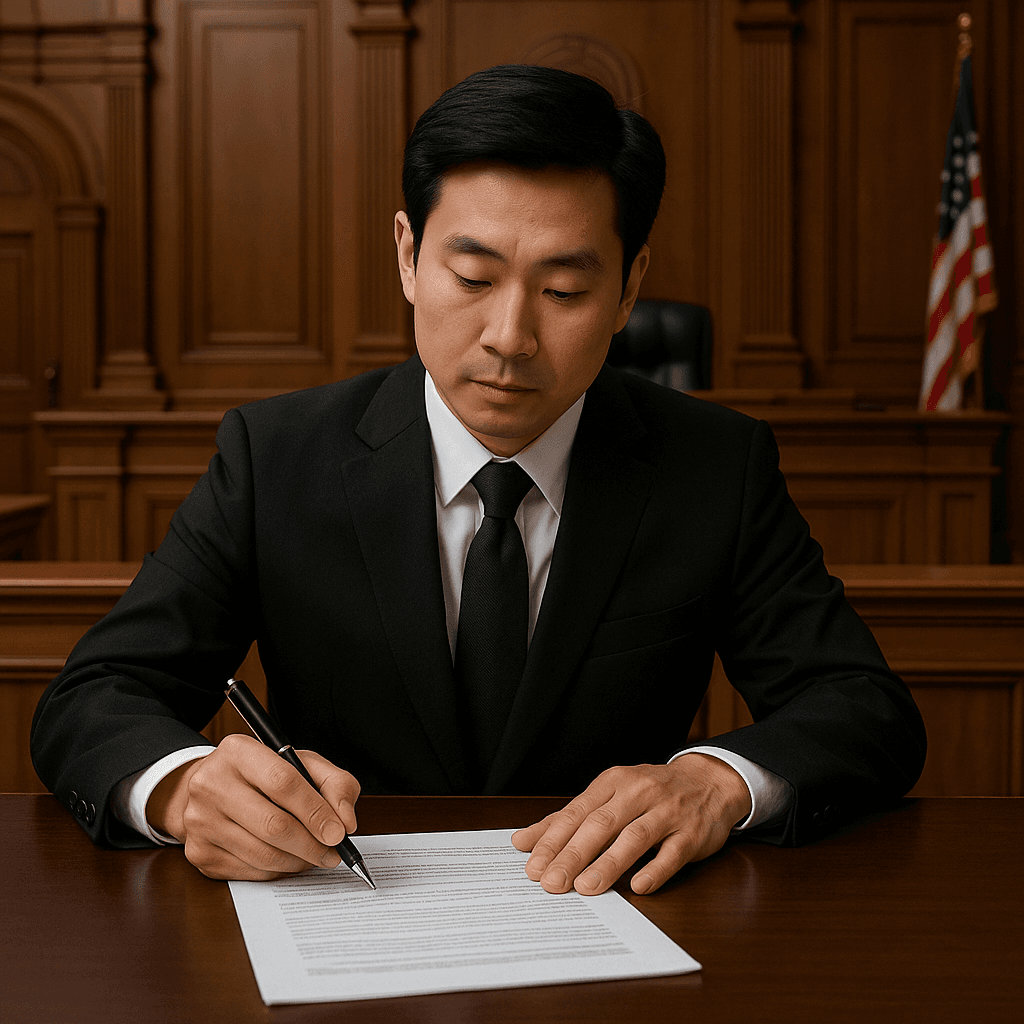
SR-22 states use that exact term. FR-44 states (Virginia and Florida for DUI) require FR-44 instead, which carries higher liability limits than standard SR-22. A handful of states require a simple insurance ID card filing without the SR-22 certificate wrapper. States without financial responsibility filing laws reinstate based on course completion, reinstatement fees, and waiting periods but do not require proof-of-insurance certificates at all.
Call your home state DMV's driver services division and ask what form of proof of insurance is required to reinstate after an out-of-state DUI. Do not ask a carrier first — carriers assume you need SR-22 and will sell it to you even if your state does not require it. Verify the requirement with the DMV, then contact carriers licensed in your home state who write SR-22 or FR-44 as applicable.
Related Articles



The Three-Year Clock and Where It Starts
Most states require SR-22 or FR-44 filing for three years after reinstatement. The clock starts the day your home state DMV receives the certificate from the carrier, not the day you purchase the policy. If you file SR-22 with California by mistake and then refile with your home state six months later, the three-year period restarts from the second filing date.
Carriers report lapses and cancellations to the state DMV electronically. If your policy lapses for non-payment or cancels for any reason during the filing period, your home state suspends your license again immediately. You must refile SR-22, pay reinstatement fees a second time, and restart the three-year clock. There is no grace period in most states.
Some states count the filing period from the conviction date if you file SR-22 before reinstatement. Others count strictly from reinstatement date regardless of when you file. Verify this with your home state DMV before purchasing coverage. Filing early does not always shorten the overall obligation window.
California SR-22 Duration
3 years
California requires SR-22 for three years after DUI reinstatement for California license holders. Your home state's filing period may be shorter or longer. Texas requires two years for some violations. Virginia requires three years for FR-44 after DUI. Confirm your home state's duration before committing to a policy term.
California Vehicle Code Section 16070
Non-Owner SR-22 If You Don't Have a Car
If you do not own a vehicle and do not have regular access to one, non-owner SR-22 satisfies most states' filing requirements at lower cost than standard auto policies. Non-owner policies provide liability coverage when you drive a borrowed or rented vehicle but do not cover a specific car you own.
Geico, Progressive, State Farm, The General, and Dairyland all write non-owner SR-22 policies in most states. Monthly premiums for non-owner SR-22 after a DUI conviction typically run lower than standard policies because the carrier assumes lower exposure without a dedicated vehicle. The SR-22 certificate itself costs the same whether attached to a standard policy or a non-owner policy — carriers charge a small one-time filing fee set by the carrier and state.
What to Do Right Now
Call your home state DMV driver services division and ask what form of proof of insurance they require to reinstate your license after an out-of-state DUI. Write down the exact term they use: SR-22, FR-44, insurance certification, or proof of financial responsibility. Ask whether the filing period starts from conviction date or reinstatement date.
Once you have the requirement confirmed, contact carriers licensed in your home state who write SR-22 or FR-44. Get quotes from at least three carriers. Geico, Progressive, State Farm, The General, and Dairyland handle most out-of-state filings and can quote online or by phone. Verify that the carrier will file electronically with your home state DMV before purchasing. Compare monthly premiums, SR-22 filing fees, and policy terms. The carrier that files correctly in your jurisdiction is the right carrier — price is secondary to jurisdictional fit.