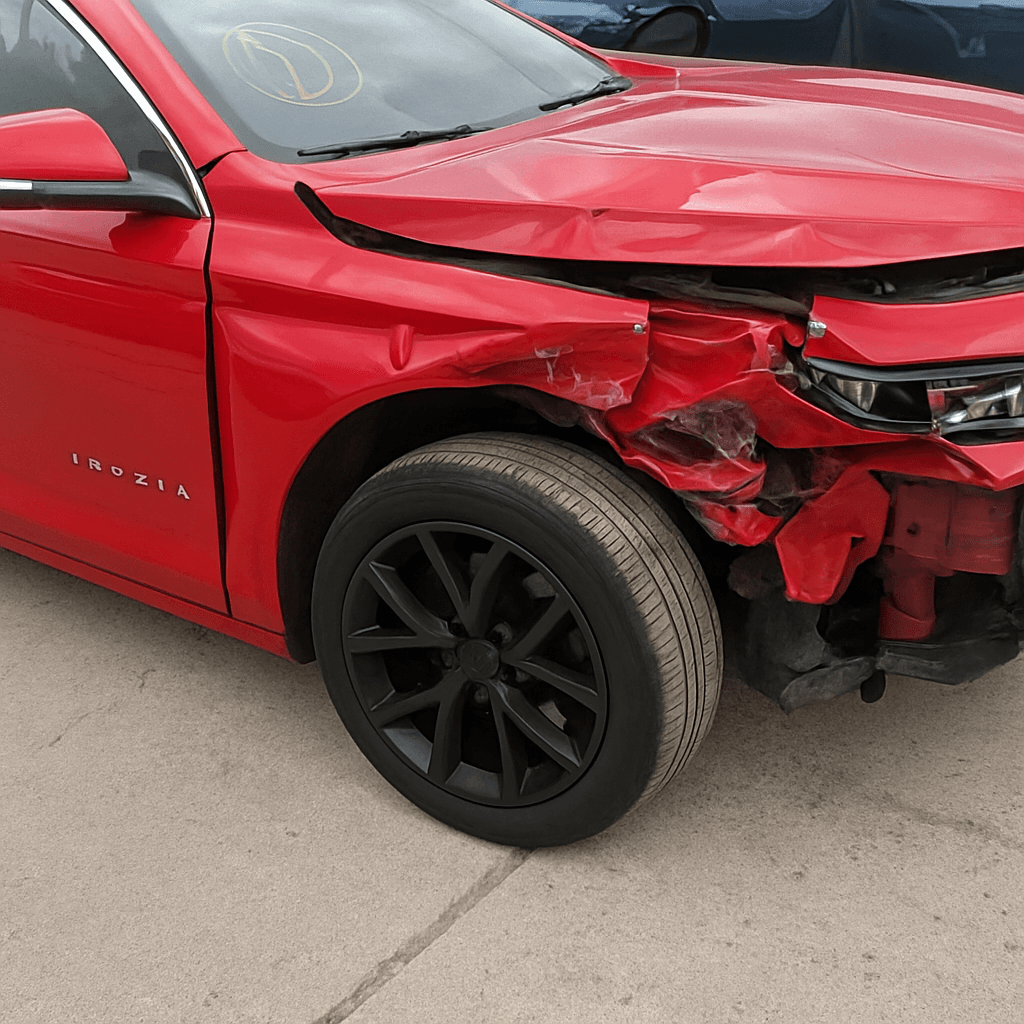
Why California Requires SR-22 After Your Accident
You were involved in an accident in California without insurance or with insufficient coverage, and the DMV sent you a notice demanding proof of financial responsibility. That proof is an SR-22 certificate, and without it your vehicle registration is already suspended under California Vehicle Code §16058. If you don't file within the DMV's deadline, your driver license suspends next under §16070.
This is not a DUI-triggered SR-22. The financial responsibility suspension path is structurally different: the DMV acts as the administrative authority for both registration and license suspension, but the registration suspension comes first through the Electronic Financial Responsibility (EFR) system. Your carrier (or lack of one) already reported the lapse or absence of coverage at the time of the accident. The DMV cross-matched that report against the accident record and triggered the suspension automatically.
Compare car insurance rates in your state
Get quotes from licensed carriers — no obligation, no spam, results in minutes.
Get Your Free QuoteCalifornia DMV Reissue Fee
$55
California Vehicle Code §14904 sets the $55 reissue fee as the baseline administrative reinstatement charge for financial responsibility suspensions. This fee is separate from any SR-22 filing fee your carrier charges.
California Vehicle Code §14904
What the DMV Suspension Notice Actually Means
California's financial responsibility law separates registration suspension from driver license suspension. The first notice you received likely ordered your vehicle registration suspended under CVC §16058—you cannot legally drive that vehicle on public roads until you file SR-22 and the DMV reinstates the registration. The second action, if you ignore the first, is driver license suspension under CVC §16070.
Most drivers assume the license suspends immediately. It does not. You have a window between the registration suspension notice and the license suspension order to file SR-22 and stop the escalation. That window is not codified as a fixed number of days—the DMV processes EFR reports and sends notices on a rolling basis—but the consequence is clear: file before the license suspension order arrives or face a longer reinstatement process.
Registration suspends first. License suspension follows only if you don't post SR-22 proof within the DMV's notice window.
How SR-22 Filing Works for Accident-Triggered Suspensions
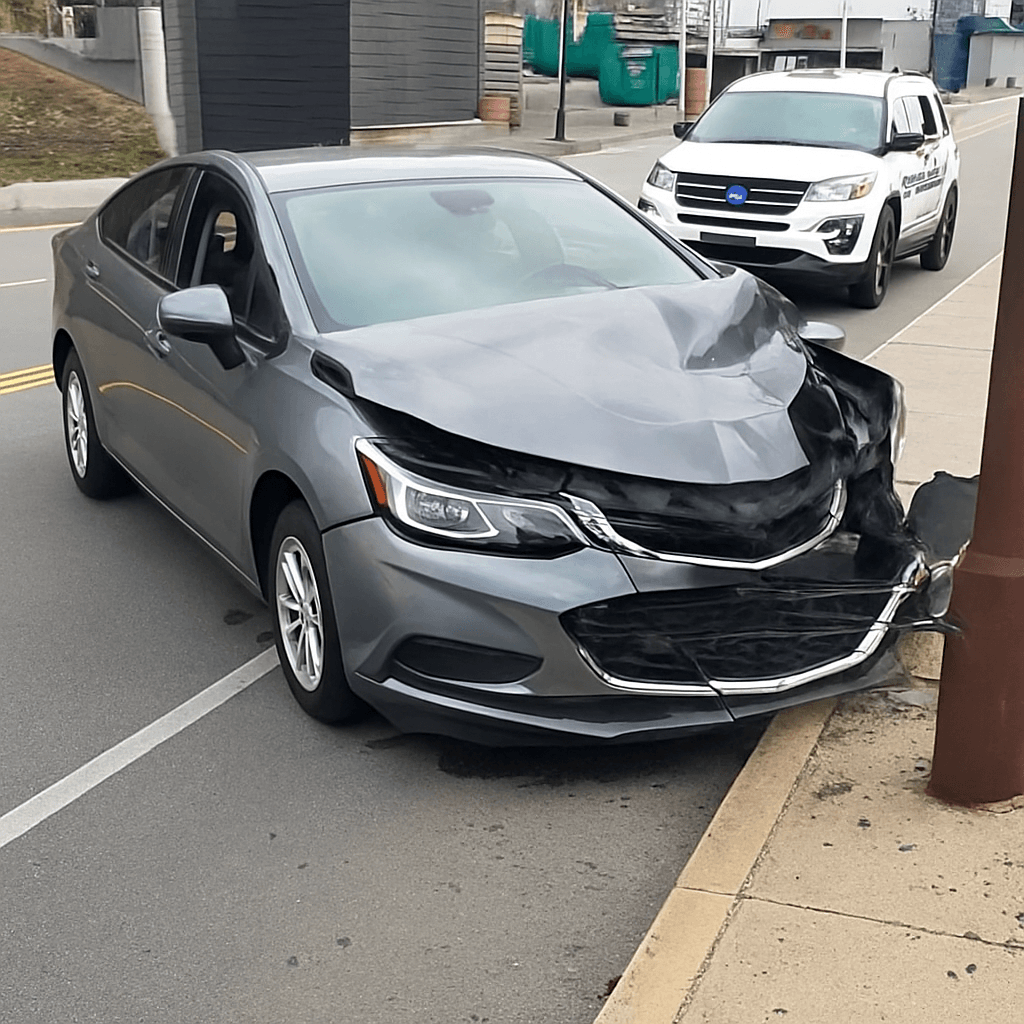
First, you must purchase an auto insurance policy that meets California's minimum liability limits: $15,000 per person for bodily injury, $30,000 per accident for bodily injury, and $5,000 for property damage. These are the 15/30/5 minimums under California law. Your carrier then files the SR-22 certificate electronically with the DMV. The filing itself typically costs a small one-time fee set by the carrier and state, separate from the premium.
Second, the SR-22 filing must remain active for 3 years from the reinstatement date for most financial responsibility suspensions. If your coverage lapses at any point during those 3 years—because you missed a payment, canceled the policy, or switched carriers without maintaining continuous SR-22 filing—the DMV receives an automatic cancellation notice through the EFR system and re-suspends your registration and license immediately. There is no grace period. Continuous coverage for the full 3-year period is the only way to satisfy the requirement.
Related Articles


If You Don't Own a Vehicle Right Now
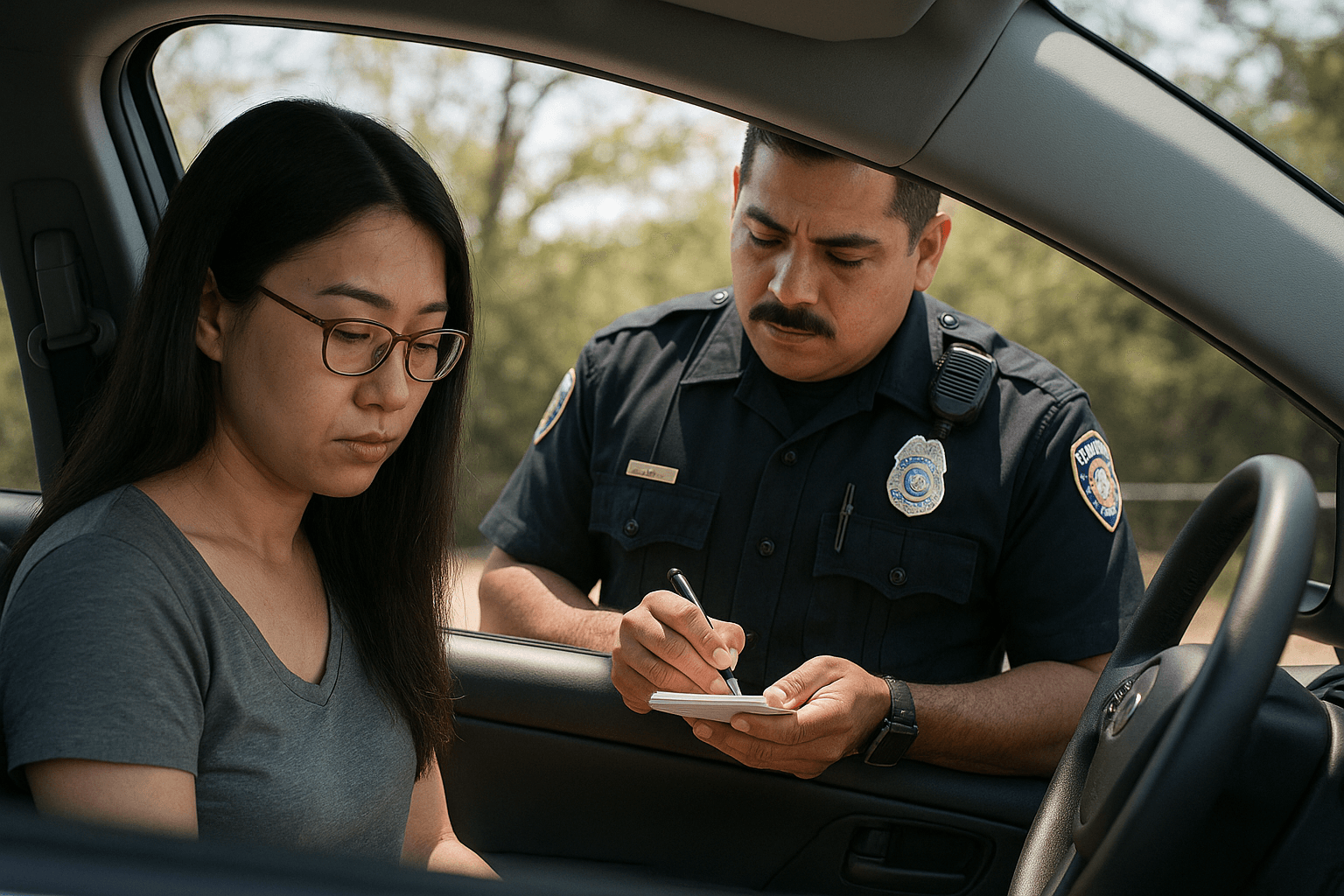
Many drivers in your position sold the vehicle involved in the accident, totaled it, or never owned the car they were driving when the accident happened. California still requires SR-22 filing to reinstate your driver license. The solution is a non-owner SR-22 policy.
A non-owner policy provides liability coverage when you drive a vehicle you don't own—a rental, a borrowed car, a company vehicle. The carrier files the SR-22 certificate with the DMV exactly as they would for a standard policy, satisfying the financial responsibility requirement without requiring you to insure a specific vehicle. Non-owner SR-22 premiums are typically lower than standard policies because the coverage applies only when you're driving, not to a parked or stored vehicle.
If you later purchase a vehicle during the 3-year SR-22 period, you must notify your carrier immediately and convert the non-owner policy to a standard policy covering the new vehicle. The SR-22 filing transfers to the new policy without interruption. Driving a vehicle you own while covered only by a non-owner policy voids the coverage and triggers an SR-22 lapse—the DMV will re-suspend.
California SR-22 Filing Period
3 years
SR-22 must remain active for 3 years from the reinstatement date for financial responsibility suspensions. Any lapse in coverage during this period triggers immediate re-suspension of registration and license under CVC §16070.
California Vehicle Code §16070
Which Carriers Write SR-22 in California After Accidents
Not all carriers write SR-22 policies, and fewer write them for drivers with at-fault accidents and prior uninsured status. California SR-22 specialists writing coverage for accident-triggered suspensions include Progressive, GEICO, Dairyland, Bristol West, The General, Infinity, and National General. Each operates in the non-standard or standard tier and has different underwriting appetites for recent accidents.
Progressive and GEICO write SR-22 for most accident scenarios and offer online quotes. Dairyland, Bristol West, Infinity, and The General specialize in high-risk drivers and typically provide coverage when standard carriers decline. National General writes SR-22 and operates in both standard and non-standard tiers depending on the severity of the accident and your overall driving record. State Farm writes SR-22 but is selective about accident cases—approval is not guaranteed.
What Happens Next
Contact carriers that write SR-22 for accident-triggered suspensions in California and request quotes for liability coverage meeting the state's 15/30/5 minimums. If you don't own a vehicle, specify that you need a non-owner SR-22 policy. Once you select a carrier and purchase coverage, the carrier files the SR-22 certificate electronically with the DMV. Processing typically takes 1-5 business days.
After the DMV receives and processes the SR-22 filing, pay the $55 reissue fee online through the DMV portal or in person at a field office. The DMV will lift the registration suspension first, then the license suspension if one was issued. Verify reinstatement status through the MyDMV online portal before driving. Compare SR-22 carriers now to identify coverage that holds premium stable across the full 3-year filing period.