Why Carrier Rankings Miss Your Situation
You searched for the best SR-22 insurance company in California because your license was suspended and you need coverage to reinstate. Every ranking you found lists the same five names in slightly shuffled order. None of them tell you whether those carriers will even write your policy.
California SR-22 carriers do not compete on a level field. They segment sharply by violation type. A carrier writing post-lapse SR-22 filings at standard rates may refuse DUI cases entirely, or shunt them to a non-standard subsidiary at double the premium. Another carrier specializes in after-DUI SR-22 but will not touch a negligent operator suspension. Rankings that ignore this segmentation send you to carriers that cannot help you.
Compare car insurance rates in your state
Get quotes from licensed carriers — no obligation, no spam, results in minutes.
Get Your Free QuoteCalifornia SR-22 Filing Duration
3 years
California requires SR-22 filing for 3 years after most DUI-related license actions, measured from reinstatement date. A lapse in SR-22 during this period triggers immediate re-suspension and restarts the clock.
California Vehicle Code §16070
What SR-22 Filing Actually Requires
SR-22 is not a type of insurance. It is a certificate your carrier files electronically with the California DMV confirming you carry at least the state minimum liability coverage: $15,000 per person for bodily injury, $30,000 per accident, and $5,000 for property damage. The carrier monitors your policy continuously and notifies the DMV immediately if you cancel or lapse.
California law requires SR-22 filing after most suspensions tied to DUI convictions, negligent operator actions, uninsured accidents, and driving without insurance. The filing period is typically 3 years from your reinstatement date. Your carrier charges a one-time filing fee to submit the SR-22 and continues to monitor your compliance throughout the filing period.
The structural problem: not every carrier offers SR-22 filing, and among those that do, eligibility varies sharply by what triggered your suspension. A carrier may file SR-22 for insurance lapses but refuse DUI cases. Another may write DUI SR-22 but reject suspended license filers with multiple points violations. You cannot evaluate carriers until you understand how they segment your violation type.
The carrier that writes your neighbor's SR-22 after a lapse may categorically refuse your DUI filing. Violation type determines carrier pool before price matters.
California Carriers by Violation Tier
Standard-tier carriers write SR-22 for clean-record drivers who need filing after an insurance lapse or administrative suspension with no underlying DUI or major violation. Geico, Progressive, State Farm, and Farmers fall here. These carriers offer the lowest rates but restrict SR-22 eligibility tightly. A DUI conviction, a reckless driving charge, or a negligent operator suspension typically disqualifies you from standard-tier SR-22. Some standard carriers offer SR-22 filing through a non-standard subsidiary at sharply higher rates, routing high-risk applicants to a separate underwriting entity.
Non-standard-tier carriers specialize in after-DUI SR-22, suspended license cases, and drivers with multiple violations. Bristol West, Dairyland, Acceptance, Infinity, The General, and National General operate in this tier. Rates run higher than standard carriers because the underwriting model assumes elevated risk. These carriers write cases standard-tier carriers reject outright. If your suspension followed a DUI, a points accumulation, or multiple violations within three years, you will likely land here. Non-standard carriers also write non-owner SR-22 policies for drivers who do not own a vehicle but need proof of insurance to satisfy reinstatement requirements.
Related Articles



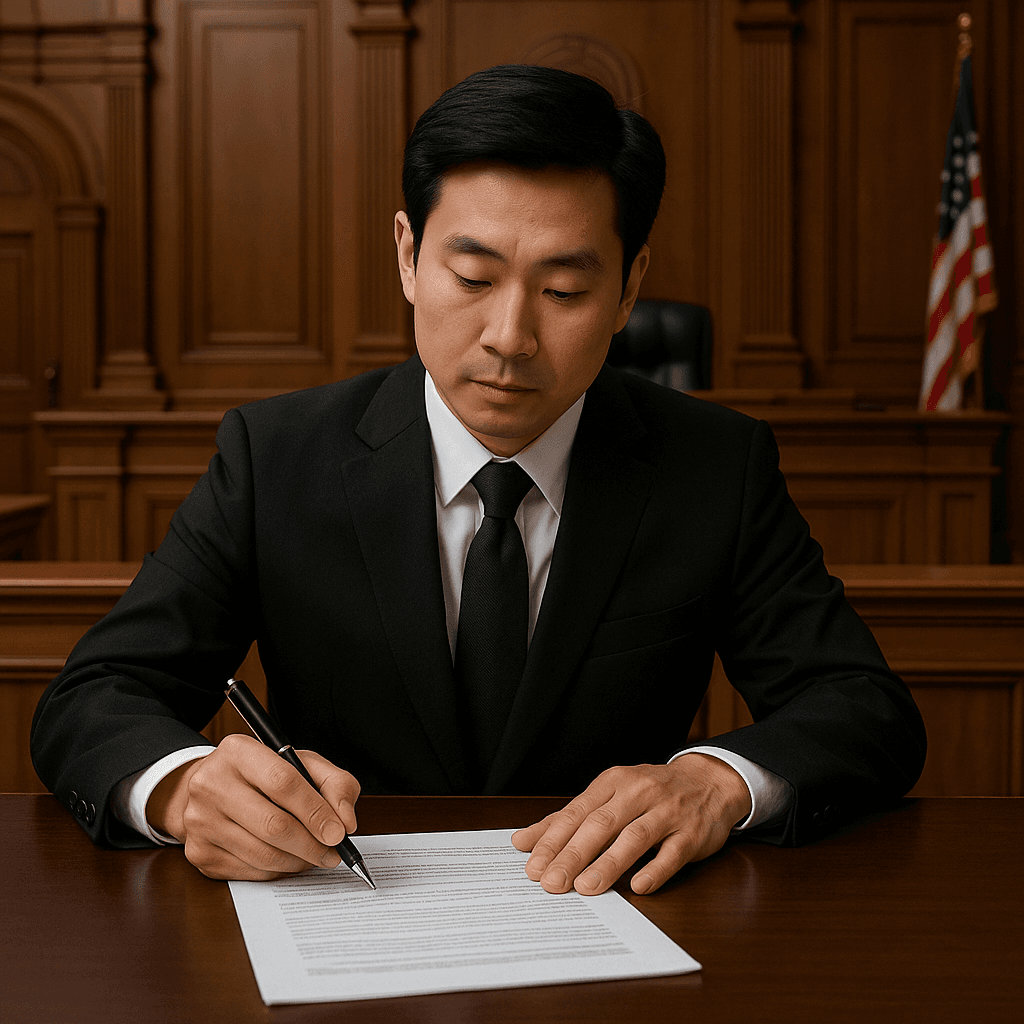
Non-Owner SR-22 for Suspended Drivers Without Vehicles
California allows non-owner SR-22 policies for drivers who do not own a vehicle but must maintain proof of insurance during their suspension period or to satisfy reinstatement conditions. A non-owner policy provides liability coverage when you drive a borrowed or rented vehicle. It does not cover a vehicle you own, lease, or regularly use.
Non-owner SR-22 costs substantially less than standard auto insurance because the policy excludes collision and comprehensive coverage and assumes lower annual mileage. Geico, Progressive, State Farm, Dairyland, and The General all write non-owner SR-22 in California. Rates vary by your violation history. A post-lapse non-owner SR-22 from a standard carrier typically costs less than a post-DUI non-owner SR-22 from a non-standard carrier.
If you sold your vehicle after suspension or rely on rideshare and public transit, a non-owner SR-22 satisfies the DMV's proof-of-insurance requirement without paying for vehicle coverage you do not need. The carrier files the SR-22 electronically with the DMV the same way it would for a standard policy. Your three-year filing obligation starts when the DMV receives the SR-22, not when you buy the policy.
California Restricted License Fee
$125
California charges $125 to issue a restricted license after DUI suspension, allowing driving to work, DUI treatment programs, and within employment scope. Ignition interlock device installation is mandatory for DUI-triggered restricted licenses under current state law.
California DMV fee schedule
How Carriers Price SR-22 After DUI
A DUI conviction places you in California's high-risk insurance pool for at least three years. Standard-tier carriers either refuse to write your policy or route you to a non-standard subsidiary. Non-standard carriers price DUI SR-22 using a separate rate table that assumes elevated claims risk. The premium you pay reflects both the base liability coverage and the DUI surcharge the carrier applies to high-risk drivers.
California does not regulate how much carriers can surcharge DUI filings, but the market segments clearly. Bristol West, Dairyland, Acceptance, and Infinity specialize in after-DUI SR-22 and compete for this segment. Comparing quotes from multiple non-standard carriers often produces rate spreads of 30 to 50 percent for identical coverage limits. Your violation details matter: a first-offense DUI with no accident typically costs less than a second DUI or a DUI involving injury.
After three years of continuous SR-22 filing with no new violations, some drivers qualify to move back to standard-tier carriers at lower rates. The three-year period resets if you lapse coverage or incur another violation during the filing window. Maintaining continuous coverage without lapse is the only pathway to lower rates.
Compare Carriers That Write Your Trigger
Generic carrier rankings cannot tell you which companies will write your SR-22 or what they will charge. You need quotes from carriers that specialize in your violation type. If your suspension followed a DUI, contact Bristol West, Dairyland, Acceptance, Infinity, The General, and National General. If your suspension followed an insurance lapse with no DUI or major violation, start with Geico, Progressive, and State Farm.
Request quotes from at least three carriers in your tier. Provide your exact violation details, suspension dates, and reinstatement status. Carriers price SR-22 filings based on your full driving record, not just the triggering violation. A negligent operator suspension with multiple speeding tickets will price differently than a single-incident DUI with an otherwise clean record. Verify each carrier files SR-22 electronically with the California DMV and confirm the filing fee before binding coverage. Use the comparison tool below to request quotes from carriers licensed to write SR-22 in California for your violation type.