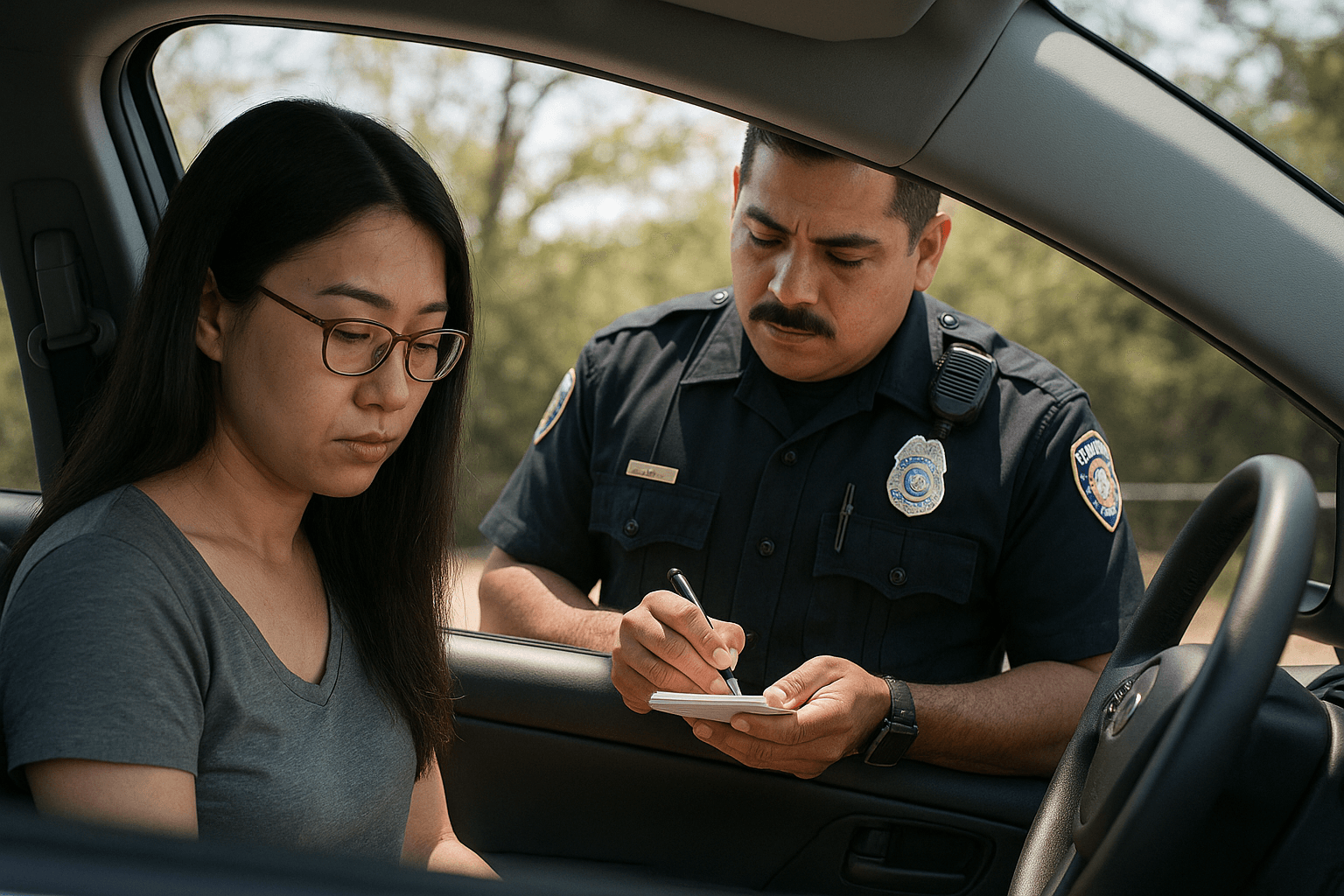
When a Speeding Ticket Actually Triggers SR-22
You got a speeding ticket. Now someone told you that you need SR-22 insurance, and you're trying to figure out whether that's actually true. The short answer: a single speeding ticket in California does not trigger an SR-22 requirement. SR-22 becomes required only when you accumulate enough violation points to cross California's negligent operator threshold — 4 points in 12 months, 6 points in 24 months, or 8 points in 36 months — and the DMV suspends your license under the negligent operator treatment system.
The confusion comes from conflating the violation with the suspension. Speeding tickets carry points (1 point for most speeding violations under California Vehicle Code §12810). Those points sit on your driving record. But points alone don't require SR-22. Only a negligent operator suspension triggered by crossing the point threshold makes SR-22 mandatory for reinstatement. If you haven't been notified of a suspension by the DMV, you don't need SR-22 yet.
Compare car insurance rates in your state
Get quotes from licensed carriers — no obligation, no spam, results in minutes.
Get Your Free QuoteCalifornia Negligent Operator Threshold
4 points in 12 months
California Vehicle Code §12810.5 defines negligent operator point thresholds. Crossing 4 points in 12 months triggers DMV review and potential suspension. Two speeding tickets plus one at-fault accident within a year would reach this threshold.
California Vehicle Code §12810.5
What the Single Speeding Ticket Actually Does
Your speeding ticket adds 1 point to your DMV driving record under California Vehicle Code §12810. That point stays on your record for 36 months from the violation date. The point itself does not require SR-22 filing, does not suspend your license, and does not change your insurance requirements under California law.
What it does do: it brings you closer to the negligent operator threshold. If you get three more 1-point violations within the next 12 months, you cross the 4-point threshold and the DMV initiates negligent operator treatment. At that stage, the DMV sends you a Notice of Intent to Suspend. If the suspension goes into effect, SR-22 becomes required for reinstatement.
Your insurance carrier will see the ticket when your policy renews. They may raise your premium. That rate increase is a carrier pricing decision, not a state SR-22 requirement. Carriers use violations as risk signals regardless of whether SR-22 is involved.
SR-22 is triggered by the negligent operator suspension, not by the speeding ticket itself. Until you cross the point threshold and DMV issues a suspension notice, SR-22 does not apply.
How California's Negligent Operator System Works
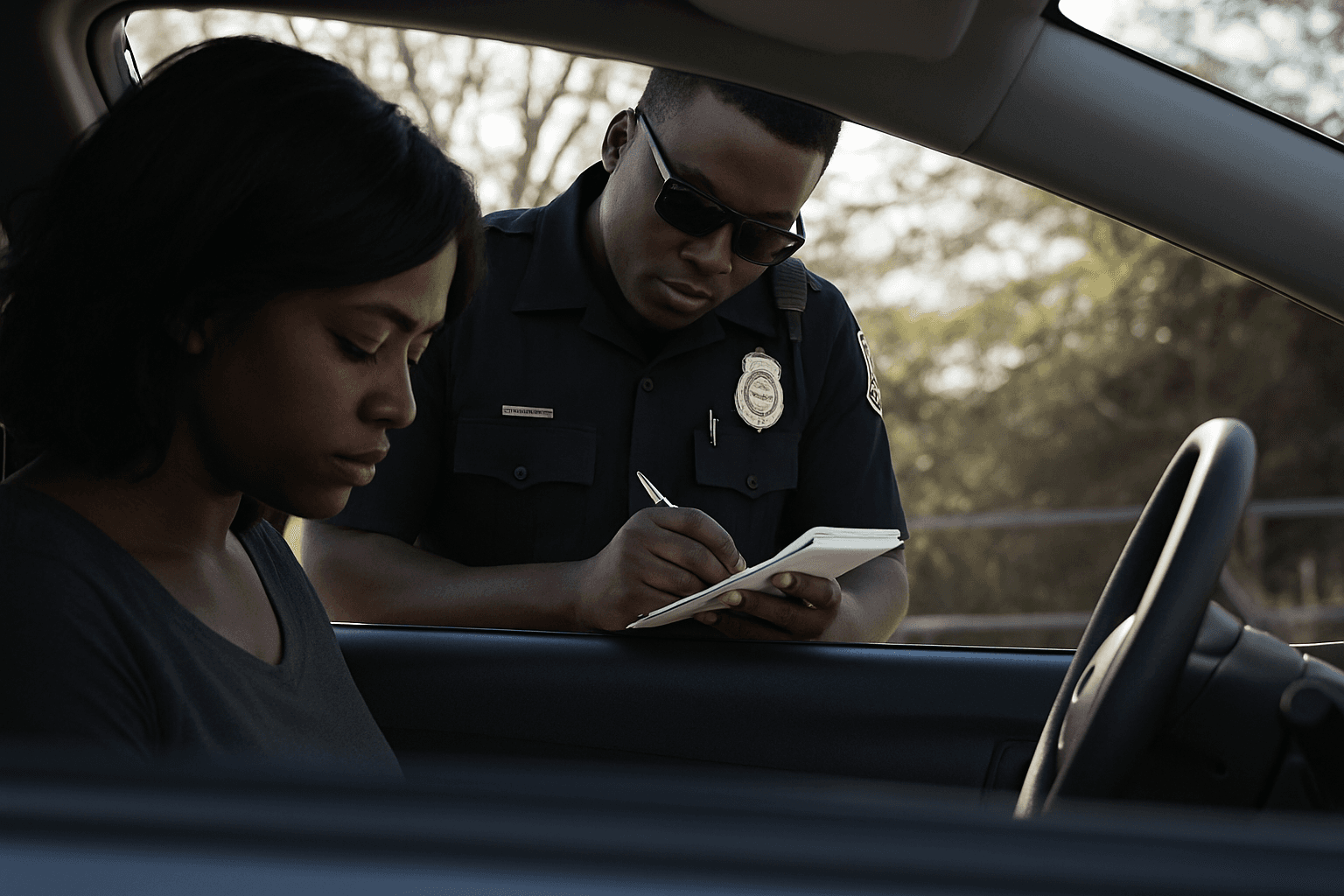
Under California Vehicle Code §12810, most moving violations carry 1 point. At-fault accidents carry 1 point. Serious violations (reckless driving, DUI, hit-and-run) carry 2 points. Points remain on your record for 36 months from the violation date, not the conviction date. The DMV calculates your point total on a rolling basis using three lookback windows: 12 months, 24 months, and 36 months.
When you cross 4 points in 12 months, 6 points in 24 months, or 8 points in 36 months, the DMV issues a Notice of Intent to Suspend under the negligent operator treatment system. You have 10 days from the notice date to request a hearing. If you do not request a hearing or the hearing upholds the suspension, your license is suspended. Reinstatement after a negligent operator suspension requires proof of SR-22 insurance filing, typically maintained for 3 years from the reinstatement date.
Related Articles




When You Would Need SR-22 for a Speeding-Related Suspension
Three scenarios bring speeding tickets into SR-22 territory. First: you accumulate enough speeding tickets within the DMV's lookback windows to cross the negligent operator threshold, as described above. Second: your speeding ticket was issued while driving uninsured, and the DMV suspends your license under California Vehicle Code §16070 for the uninsured violation — that suspension requires SR-22 for reinstatement. Third: the speeding ticket was part of a reckless driving charge under Vehicle Code §23103, which carries 2 points and can trigger negligent operator review faster.
All three scenarios share a common requirement: the suspension must actually occur before SR-22 becomes mandatory. The DMV sends formal suspension notices by mail. If you have not received a Notice of Intent to Suspend or a Notice of Suspension from the California DMV, you are not under a suspension that requires SR-22.
If you were cited for speeding while already driving on a suspended license, that compounds the violation and may trigger additional suspension time, but it does not create a new SR-22 requirement — the underlying suspension already required SR-22 for reinstatement.
California License Reissue Fee
$125
California charges a $125 reissue fee to reinstate a license suspended under the negligent operator system. This fee is separate from SR-22 filing costs and court fines. Payment is required before the DMV will accept your SR-22 filing and restore driving privileges.
California Vehicle Code §14904
What to Do Right Now
Check your DMV driving record to see your current point total. California drivers can request a copy of their driving record through the DMV website or by mail. The record shows all violations, points assigned, and the dates those points will drop off. If you are below the negligent operator thresholds, you do not need SR-22.
If you are close to a threshold (3 points accumulated, for example), consider your exposure. One more 1-point violation within 12 months of your first violation triggers the 4-point threshold. At that stage, avoiding additional violations becomes your primary defense against suspension. Defensive driving courses do not remove points in California, but they may satisfy a DMV-ordered action if you receive a negligent operator warning letter before suspension.
If You Do Need SR-22 After Point Accumulation
When a negligent operator suspension does occur, SR-22 filing becomes required before reinstatement. You contact a carrier that writes SR-22 policies in California — several non-standard carriers and some standard carriers offer SR-22 filing. The carrier files the SR-22 certificate electronically with the DMV on your behalf. You pay the $125 reissue fee to the DMV. Once the DMV receives the SR-22 and the fee, your license is reinstated. You must maintain continuous SR-22 coverage for 3 years from the reinstatement date. Any lapse in coverage triggers re-suspension.
Carriers that write SR-22 in California include Progressive, Geico, State Farm, The General, Bristol West, Dairyland, Acceptance, and Infinity. Not all carriers write policies for drivers with negligent operator suspensions — some decline based on point total or violation type. Comparing multiple carriers produces the widest range of rate options. Non-owner SR-22 policies are available if you do not currently own a vehicle but need to satisfy the filing requirement to reinstate your license.