
Why Standard Carriers Reject Your SR-22 Application
You call the carrier you've seen advertised and request SR-22 coverage. They pull your driving record, see the suspension trigger, and decline to quote. This is not price discrimination: standard-tier carriers underwrite to a risk pool that excludes most suspended drivers by design. The suspension itself signals actuarial risk the standard tier will not absorb, regardless of how long you've been a customer or how clean your record was before the violation.
California statute requires carriers to file SR-22 certificates electronically with the DMV on your behalf, but it does not require any specific carrier to accept your application. Standard carriers like Allstate, Nationwide, and Travelers maintain underwriting guidelines that exclude DUI convictions, at-fault accidents during suspension periods, and negligent operator designations. When a carrier says they "don't offer SR-22," they mean their underwriting tier does not write policies for drivers whose records require SR-22 filing. The filing itself is a procedural step any licensed carrier can execute: the barrier is tier access, not SR-22 capability.
Compare car insurance rates in your state
Get quotes from licensed carriers — no obligation, no spam, results in minutes.
Get Your Free QuoteCalifornia SR-22 Filing Fee
$15–$25
This is a one-time administrative charge the carrier adds to process and submit the SR-22 certificate to the California DMV. The filing fee is separate from your premium and varies by carrier, not by violation type.
California Department of Insurance carrier filing schedules
Non-Standard Carriers That Write SR-22 in California
Non-standard carriers underwrite specifically to high-risk pools. These are not budget subsidiaries of standard brands: they are separate entities with distinct underwriting models, separate NAIC company codes, and risk assumptions calibrated to drivers with suspensions, DUIs, lapses, and negligent operator points. In California, carriers licensed to write non-standard auto and confirmed to file SR-22 include Acceptance Insurance, Bristol West, Dairyland, Infinity, Kemper, and The General.
Geico, Progressive, and State Farm also file SR-22 in California, but tier assignment varies. Geico and Progressive may place suspended drivers in standard or preferred tiers depending on time elapsed since violation and current driving record; State Farm typically requires reinstatement completion before quoting. National General writes SR-22 as a standard-tier product but applies underwriting screens that exclude some suspension triggers.
Non-owner SR-22 policies are available from Dairyland, Geico, Progressive, State Farm, and The General for drivers who do not own a vehicle but need to satisfy California's proof-of-financial-responsibility requirement during suspension or as a reinstatement condition. Non-owner policies cover liability only and cost substantially less than owner policies because the carrier assumes no collision or comprehensive risk.
The cheapest SR-22 carrier is whichever non-standard insurer quotes your specific risk profile lowest—brand loyalty does not transfer across underwriting tiers.
How to Compare SR-22 Carriers in California
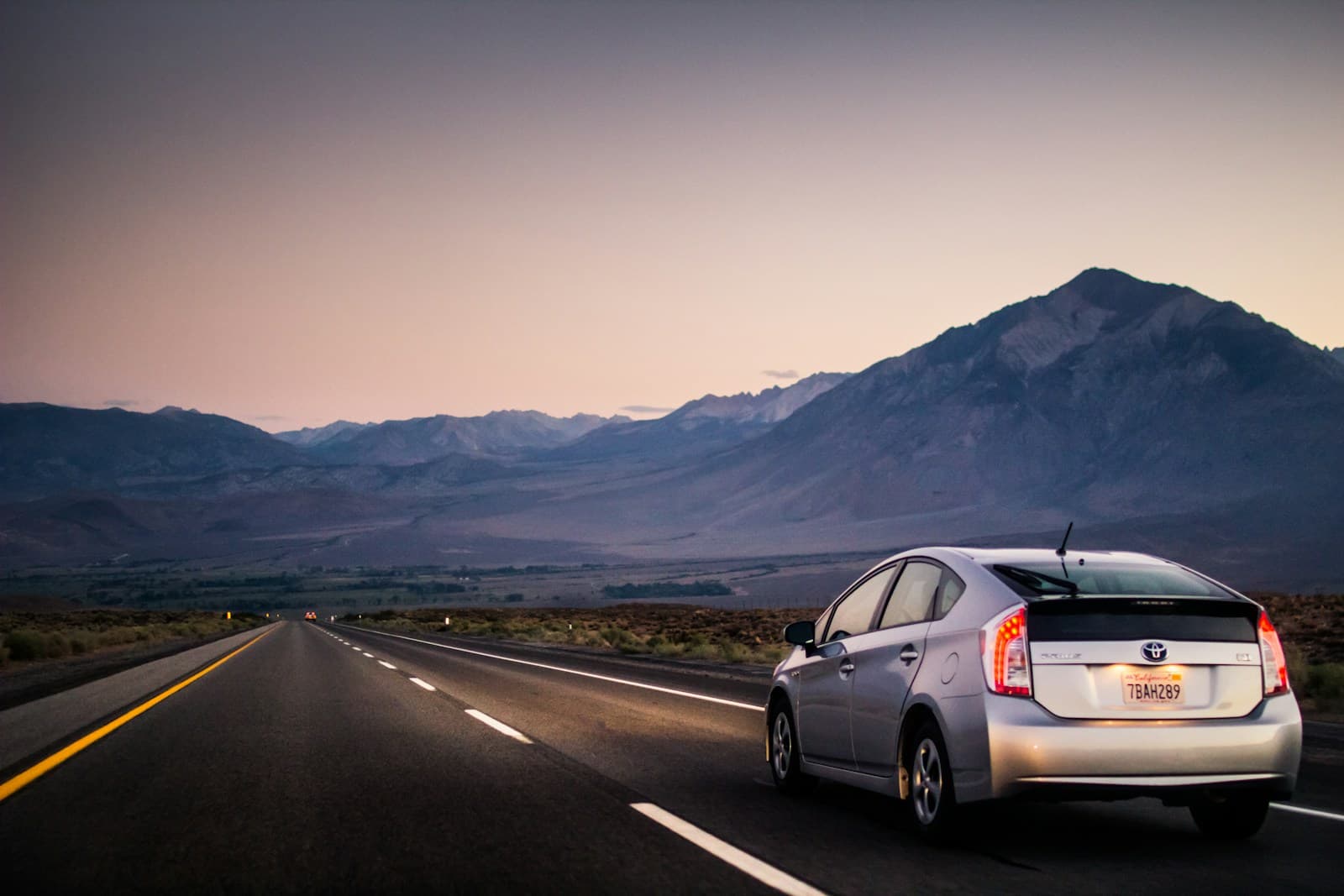
Request quotes from at least three non-standard carriers and at minimum two of Geico, Progressive, or National General if your suspension occurred more than 12 months ago. Provide identical coverage parameters: California minimum liability limits are $15,000 per person bodily injury, $30,000 per accident bodily injury, and $5,000 property damage. If you own a vehicle worth less than $3,000, liability-only coverage avoids paying collision and comprehensive premiums on an asset whose total-loss payout would not recover the annual premium cost.
Confirm that each quoted premium includes the SR-22 filing and that the carrier will electronically submit the certificate to the California DMV immediately upon policy binding. Ask whether the policy term is six months or twelve months: some non-standard carriers write six-month terms and re-underwrite at renewal, which creates rate volatility if your driving record changes mid-year. Verify cancellation procedures: California requires 20 days' notice before a carrier can cancel for nonpayment, but lapse of an SR-22 policy triggers automatic DMV notification and suspension reinstatement, so payment continuity is structurally more important than it is for standard policies.
Related Articles


What Drives Premium Differences Between Carriers
Non-standard carriers price SR-22 policies using violation surcharge tables, county-level risk factors, and time-since-violation decay curves. A DUI conviction in Los Angeles County generates a different premium than the same conviction in Fresno County because accident frequency, theft rates, and uninsured motorist density vary by region. Carriers apply different decay curves: one may reduce DUI surcharges by 10% annually over five years, another may hold surcharges flat for three years then drop them entirely at year four.
Credit-based insurance scores are banned as a rating factor for California auto insurance under Proposition 103, but carriers still vary premiums based on years of licensed driving, years of continuous coverage, vehicle use (commute vs pleasure), annual mileage, and ZIP code. Suspended drivers often cannot document continuous coverage, which removes a significant discount most standard-tier drivers receive. Mileage and use are the controllable variables: if you drive fewer than 7,500 miles annually and use the vehicle for errands rather than daily commuting, some carriers discount 8–12% relative to high-mileage commuters.
California SR-22 Filing Period
3 years
California requires continuous SR-22 filing for three years from the date of reinstatement for most DUI-related suspensions and negligent operator designations. If your policy lapses or cancels during this period, the carrier notifies the DMV within 15 days and your license is re-suspended.
California Vehicle Code §16072
Non-Owner SR-22 as the Lowest-Cost Path
If you do not own a vehicle and need SR-22 only to satisfy reinstatement requirements, a non-owner liability policy costs 40–60% less than an owner policy at California minimum limits. Non-owner policies provide liability coverage when you drive a borrowed or rental vehicle, but they exclude collision and comprehensive coverage because there is no owned asset to insure. The SR-22 certificate attached to a non-owner policy satisfies California DMV requirements identically to an owner-policy SR-22.
Non-owner SR-22 is the correct product when you sold your vehicle after suspension, when you rely on public transit or rideshare and drive only occasionally, or when you live in a household with vehicles titled to other drivers and need proof of financial responsibility without insuring a specific car. Dairyland, The General, and Progressive write non-owner SR-22 policies statewide in California with monthly premiums typically 50–70% below comparable owner-policy premiums for the same liability limits.
Compare Carriers That Write Your Situation
The structural reality: you cannot shop SR-22 coverage the way standard-tier drivers shop auto insurance, because most carriers will not quote your risk profile at any price. The accessible market is the subset of non-standard carriers licensed in California and writing policies for suspended drivers with your specific violation. Calling ten carriers produces three quotes, and those three quotes determine your actual rate range.
Start with non-standard specialists—Acceptance, Bristol West, Dairyland, Infinity—because these carriers exist to write high-risk pools and their underwriting screens accept most suspension triggers. Add Geico and Progressive if your suspension was not DUI-related or if reinstatement occurred more than 18 months ago. Request identical liability limits from each and compare the total six-month premium including the SR-22 filing fee. The lowest quote is your floor; paying more than 15% above that floor for the same coverage limits and the same SR-22 filing is money you do not need to spend. Use the comparison tool on this site to submit one request and receive quotes from multiple carriers writing SR-22 in California.