When At-Fault Accidents Trigger SR-22 in California
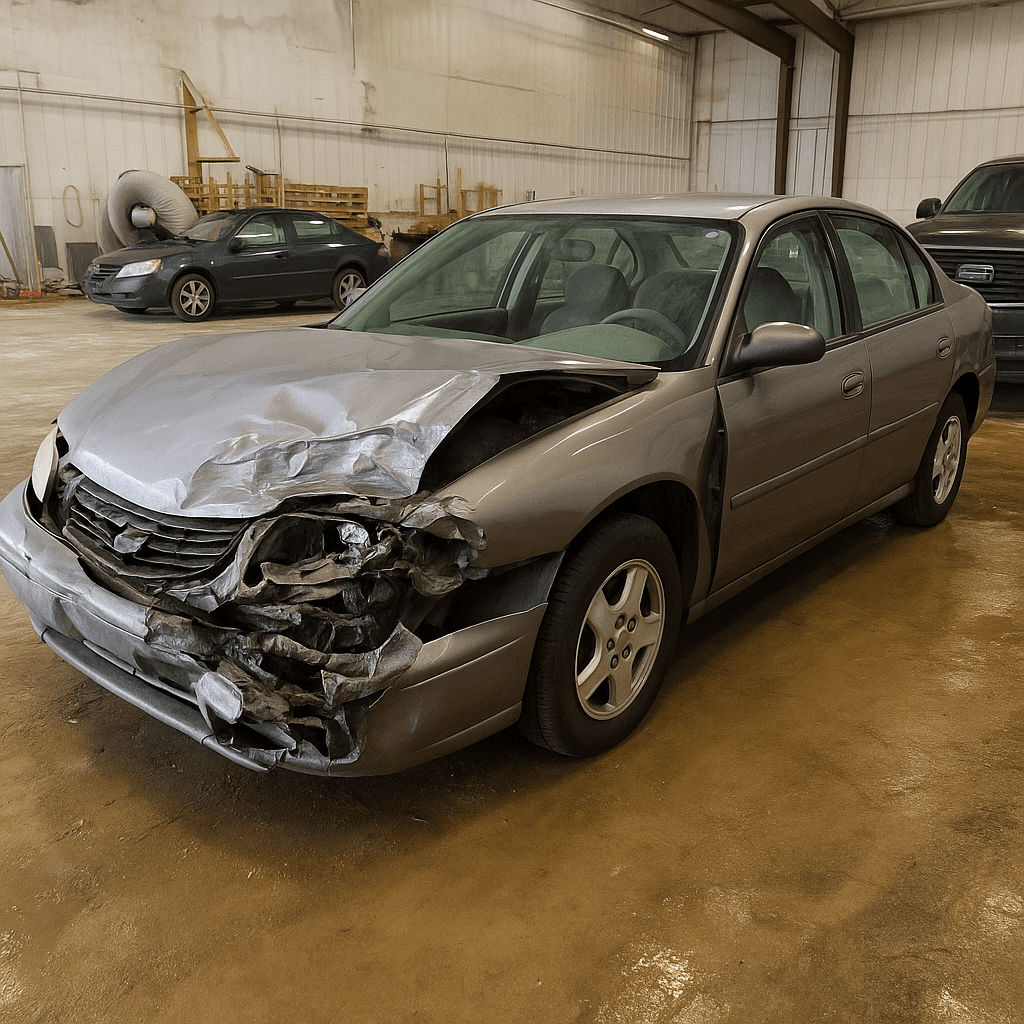
You caused an accident in California, received a suspension notice from the DMV, and now you're trying to figure out if you actually need SR-22 insurance to get your license back. The structural confusion: most at-fault accidents in California do not by themselves require SR-22 filing. SR-22 becomes mandatory only when the accident combines with a specific secondary trigger — you were driving uninsured at the time of the accident, you caused injury or property damage above California's liability minimums without adequate coverage, or the accident occurred while you were already under suspension for a DUI or other violation.
California's financial responsibility laws under Vehicle Code §16070 require SR-22 when you cause an accident and cannot prove you carried the state's minimum liability coverage at the time. The DMV suspends your license and registration until you file proof of financial responsibility — that's the SR-22 — and maintain it for three years. If you had valid insurance when the accident happened and your carrier paid the claim, SR-22 is typically not required even if the accident was your fault. The suspension you're facing may be administrative (license points triggering negligent operator status) or financial responsibility-based, and the distinction determines whether SR-22 applies.
Compare car insurance rates in your state
Get quotes from licensed carriers — no obligation, no spam, results in minutes.
Get Your Free QuoteCalifornia SR-22 Filing Period
3 years
California requires SR-22 filing to remain active for three years from the date of reinstatement for most uninsured accident and DUI suspensions. Any lapse in coverage during this period triggers immediate re-suspension by the DMV, and the three-year clock restarts from the date you refile.
California Vehicle Code §16070
The Structural Reality Behind Your Rate Increase
Whether SR-22 is required or not, your at-fault accident moves you into non-standard underwriting territory. California carriers use comprehensive loss cost models that treat at-fault accidents as high-severity predictors regardless of whether the DMV flagged the incident for SR-22. If your accident involved injury, property damage above $1,000, or occurred while you were uninsured, you're now classified as high-risk even if you've since obtained coverage and filed SR-22.
The rate shock you're experiencing isn't primarily the SR-22 filing itself — most carriers charge a one-time filing fee between $15 and $50 to submit the certificate to the DMV. The premium increase comes from the underwriting tier shift. Standard carriers like Allstate, Travelers, and USAA typically non-renew or decline drivers with recent at-fault accidents combined with license actions. You're now shopping in the non-standard market where carriers like The General, Bristol West, Dairyland, and Acceptance specialize in exactly your profile.
California does not regulate auto insurance premiums as strictly as some states, which means non-standard carriers have wide latitude to price risk. The same at-fault accident that one carrier prices at $180/month another might quote at $95/month. The structural advantage you have: California's competitive non-standard market creates pricing variance you can exploit by comparing multiple carriers that write your specific violation combination.
Standard carriers price you out or decline entirely after an at-fault suspension — the lowest rates now come from non-standard specialists who write suspended drivers as their core book.
Carriers Writing At-Fault Accident SR-22 in California
Related Articles



What Actually Costs Less After Your Accident
California's minimum liability requirement is $15,000 per person for bodily injury, $30,000 per accident, and $5,000 for property damage. If you're filing SR-22 because the accident happened while uninsured, you can satisfy the DMV's SR-22 requirement by carrying only these minimums. Adding collision or comprehensive coverage to a vehicle you own will approximately double your premium in the non-standard market — if your car is worth under $3,000, dropping physical damage coverage and carrying liability-only keeps your monthly cost in the $85–$140 range with most non-standard carriers.
Raising your liability limits above the state minimum — for example, moving from 15/30/5 to 50/100/25 — adds roughly $20–$40/month in the non-standard tier. If you're on a tight budget during the three-year SR-22 period, state minimums satisfy the legal requirement. If you have assets to protect or regularly transport passengers, higher limits reduce your exposure in a subsequent accident.
The deductible decision applies only if you're carrying collision or comprehensive. A $500 deductible costs more per month than a $1,000 deductible, but the savings are modest in non-standard pricing — typically $10–$15/month difference. Choose the deductible you can afford to pay out-of-pocket if you file a claim, because paying a claim in the non-standard market often triggers another rate increase at renewal.
Non-owner SR-22 is the structurally cheapest option if you don't own a vehicle and won't be driving regularly. You satisfy California's SR-22 requirement, reinstate your license, and pay a fraction of what a standard policy costs. The General, Dairyland, and Geico all write non-owner SR-22 in California. Monthly cost typically runs $35–$55 for state minimum limits. You cannot drive a vehicle you own under a non-owner policy, and you're not covered if you regularly use a household vehicle — but for drivers who need legal status without active vehicle access, it's the lowest-cost compliant path.
California SR-22 Reinstatement Fee
$125
California charges a $125 reissue fee to reinstate your license after a suspension, paid directly to the DMV. This is separate from any court fines, DUI program fees, or carrier costs. The DMV will not process reinstatement until this fee is paid and your SR-22 filing is on record.
California Vehicle Code §14904
How to Compare Carriers Without Wasting Time
Request quotes from at least three non-standard carriers writing your violation profile: one direct writer like The General or Dairyland, one broker-accessed carrier like Bristol West or Acceptance, and one standard carrier's non-standard tier like Progressive's non-standard division. Provide identical coverage limits and deductibles to each so you're comparing equivalent policies. The rate spread between highest and lowest quote will typically be 30–50% for the same coverage.
California permits insurance shopping while your SR-22 is active. You are not locked into your initial carrier for the full three-year filing period. If a lower rate appears after six months or a year, you can switch carriers as long as the new carrier files SR-22 with the DMV before your old policy cancels. The DMV requires continuous SR-22 coverage with no gaps — even one day without active filing triggers automatic re-suspension and restarts your three-year clock. Coordinate the switch carefully: bind the new policy, confirm the new carrier has filed SR-22 with the DMV, then cancel the old policy effective the same date the new one starts.
Compare California SR-22 Carriers Now
You need coverage that satisfies California's SR-22 requirement and fits your budget during the three-year filing period. The carriers writing your profile won't advertise aggressively — you have to request quotes directly. Start by entering your violation details and coverage preferences into a comparison tool that pulls rates from non-standard carriers actively writing California at-fault accident SR-22. You'll see which carriers will accept your application, what they'll charge per month, and how their coverage terms compare. Binding typically takes under 24 hours once you choose a carrier, and the SR-22 filing reaches the DMV electronically within 1–3 business days.