
Why Insurance Matters When You Can't Drive
Your California driver license was suspended yesterday. You cannot legally drive. Your first instinct is to cancel your auto insurance — you're not using the car, why pay the premium? That instinct will cost you months of additional suspension time and hundreds of dollars in reinstatement fees if you act on it.
California's financial responsibility laws require maintaining proof of insurance throughout most suspension periods, even when you are not driving. For DUI suspensions, negligent operator suspensions, and uninsured accident cases, DMV will not process your reinstatement application until you file an SR-22 certificate of insurance. The SR-22 filing must stay active for 3 years from the reinstatement date. If your policy lapses at any point during those 3 years, DMV re-suspends your license immediately and the 3-year clock resets from zero.
Compare car insurance rates in your state
Get quotes from licensed carriers — no obligation, no spam, results in minutes.
Get Your Free QuoteCalifornia DMV Reissue Fee
$125
California charges a $125 reissue fee for most license reinstatements after suspension, paid in addition to SR-22 filing costs and any DUI program enrollment fees. This is the baseline administrative cost; unpaid tickets, child support arrears, or court fines add to the total.
California Vehicle Code §14904
Which Suspensions Require SR-22 Filing
Not every California license suspension triggers an SR-22 requirement. DUI and wet reckless convictions require SR-22 filing under Vehicle Code §13353. Negligent operator suspensions — triggered by accumulating 4 points in 12 months, 6 points in 24 months, or 8 points in 36 months — also require SR-22. Uninsured accident cases under Vehicle Code §16070 require SR-22 if you were at fault and did not carry liability coverage at the time of the accident.
Suspensions for failure to appear in court (Vehicle Code §13365), unpaid tickets, child support arrears, or medical disqualification do not require SR-22 filing. These administrative suspensions are resolved by paying fines, appearing in court, or satisfying the underlying compliance issue. Once you resolve the trigger, DMV lifts the suspension without requiring proof of insurance filing.
If your suspension notice does not explicitly state "SR-22 filing required" and your suspension was not triggered by DUI, points accumulation, or driving uninsured, you likely do not need SR-22. Call DMV at the number on your suspension notice to confirm your specific reinstatement requirements before purchasing coverage.
SR-22 is not insurance — it's a filing your insurance carrier submits to DMV certifying you carry at least California's minimum liability limits. The filing costs $15–$25; the insurance itself costs significantly more.
SR-22 Filing Process and Timeline
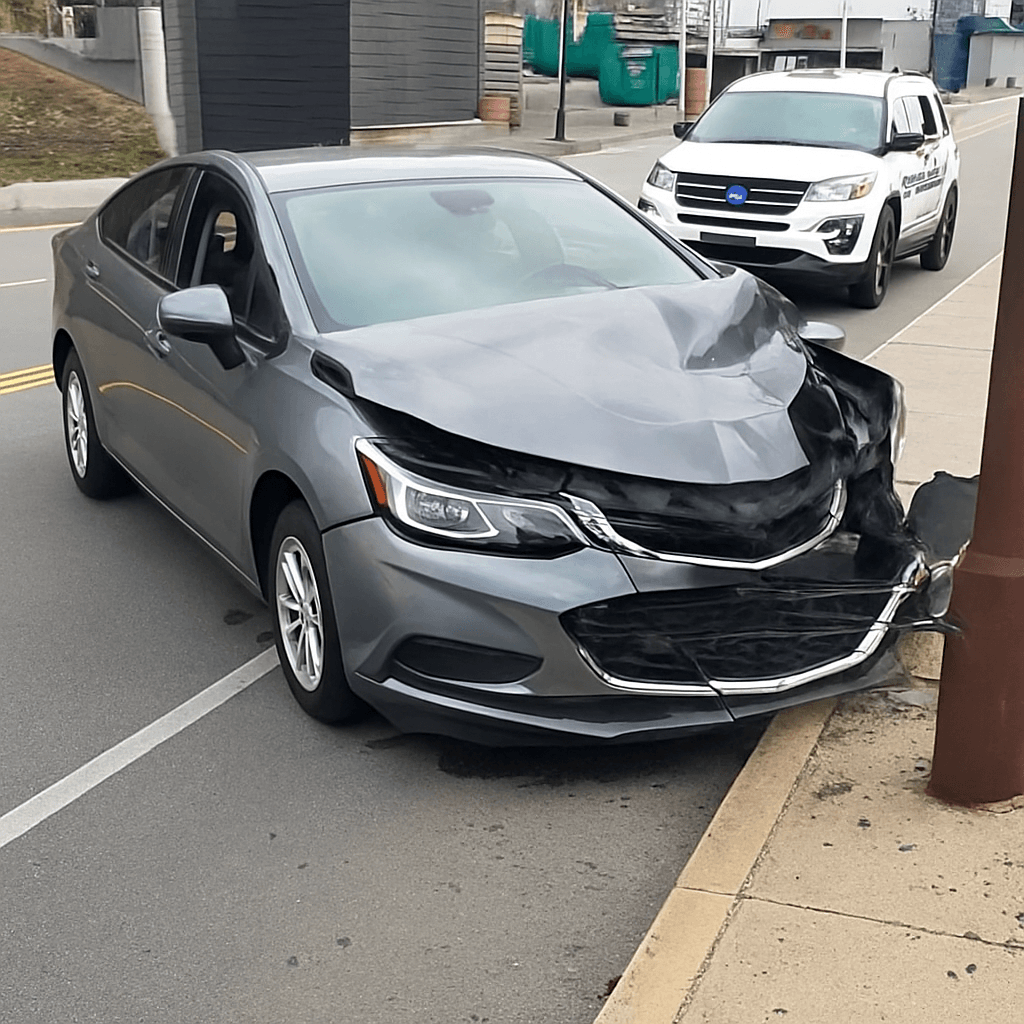
You purchase a liability insurance policy from a carrier licensed to write SR-22 in California. Not all carriers offer SR-22 — State Farm, GEICO, Progressive, The General, Bristol West, Dairyland, and Infinity are confirmed SR-22 writers in California. The carrier files the SR-22 certificate electronically with DMV on your behalf. You do not file it yourself. The filing certifies you carry at least California's minimum liability limits: $15,000 bodily injury per person, $30,000 bodily injury per accident, and $5,000 property damage.
Once DMV receives and processes the SR-22 filing, your record updates to show proof of insurance on file. You can then pay the $125 reissue fee, complete any required DUI program enrollment, and apply for reinstatement. For DUI-triggered restricted licenses under Vehicle Code §13353.3, the SR-22 filing must be active before DMV will issue the restricted license. The 30-day hard suspension period runs from your arrest date; the restricted license becomes available after those 30 days, but only if SR-22 is already on file.
Related Articles



Non-Owner SR-22 for Suspended Drivers Without Vehicles
Many suspended drivers do not currently own a vehicle. You sold your car after the suspension, or you never owned one in the first place. California still requires SR-22 filing to reinstate your license. Non-owner SR-22 policies exist specifically for this situation.
A non-owner policy provides liability coverage when you drive a vehicle you do not own — a rental car, a borrowed car, a friend's vehicle. The policy does not cover a specific vehicle; it follows you as the named insured. The carrier files SR-22 on your behalf exactly as they would for a standard auto policy. DMV does not distinguish between owner and non-owner SR-22 filings; both satisfy the proof of insurance requirement.
Non-owner SR-22 premiums are lower than standard auto policy premiums because the carrier is not insuring a specific vehicle against collision or comprehensive claims. Typical California non-owner SR-22 costs range from $35–$65 per month for drivers with one DUI conviction. Drivers with multiple violations, points accumulation, or recent at-fault accidents pay higher rates. GEICO, Progressive, State Farm, The General, and Dairyland all write non-owner SR-22 policies in California.
California SR-22 Filing Period
3 years
California requires maintaining SR-22 filing for 3 years from your license reinstatement date for most DUI and negligent operator suspensions. The clock starts when DMV reinstates your license, not when you first file SR-22. If your policy lapses at any point during the 3-year period, DMV re-suspends your license and the 3-year clock resets.
California Vehicle Code §16074
Restricted License Option During Suspension
California offers a restricted license pathway for most DUI and negligent operator suspensions. Under Vehicle Code §13353.3, first-offense DUI drivers face a 30-day hard suspension period during which no driving is permitted. After 30 days, you become eligible for a restricted license allowing driving to and from work, within the scope of employment, and to and from a court-ordered DUI treatment program.
The restricted license requires SR-22 filing, enrollment in a DMV-licensed DUI program, payment of the $125 reissue fee, and installation of an ignition interlock device (IID) in any vehicle you operate. California's AB 91 law, effective January 1, 2019, made IID installation mandatory statewide for all DUI-related restricted licenses. The IID requirement runs for 12 months for first offenses, longer for second and subsequent offenses. The device prevents the vehicle from starting if it detects alcohol on your breath.
Compare SR-22 Carriers Before Filing
SR-22 filing costs are uniform across carriers — typically $15–$25 as a one-time fee. Insurance premiums are not. A DUI conviction or negligent operator suspension flags you as high-risk, and carriers price that risk differently. One carrier may quote $140 per month for minimum liability SR-22 coverage; another quotes $85 for identical limits. The $55 monthly difference compounds to $660 per year and nearly $2,000 over the 3-year SR-22 period.
Request quotes from at least three carriers before purchasing. GEICO, Progressive, and The General typically offer competitive rates for suspended drivers in California. Bristol West and Dairyland specialize in non-standard auto insurance and often quote lower premiums than standard-tier carriers for high-risk drivers. State Farm writes SR-22 but may decline coverage if your violation history is recent or severe. Compare monthly premiums, filing fees, and payment plan options. Some carriers require six months paid up front; others allow monthly billing.
Once you select a carrier and purchase the policy, confirm the SR-22 filing transmitted to DMV successfully. Most carriers provide a confirmation email or letter showing the filing date and DMV receipt. Call DMV's automated suspension line at 916-657-6525 three business days after your carrier files to verify the SR-22 appears on your driving record. Do not assume the filing succeeded — carrier processing errors happen, and DMV will not notify you if the filing never arrived.