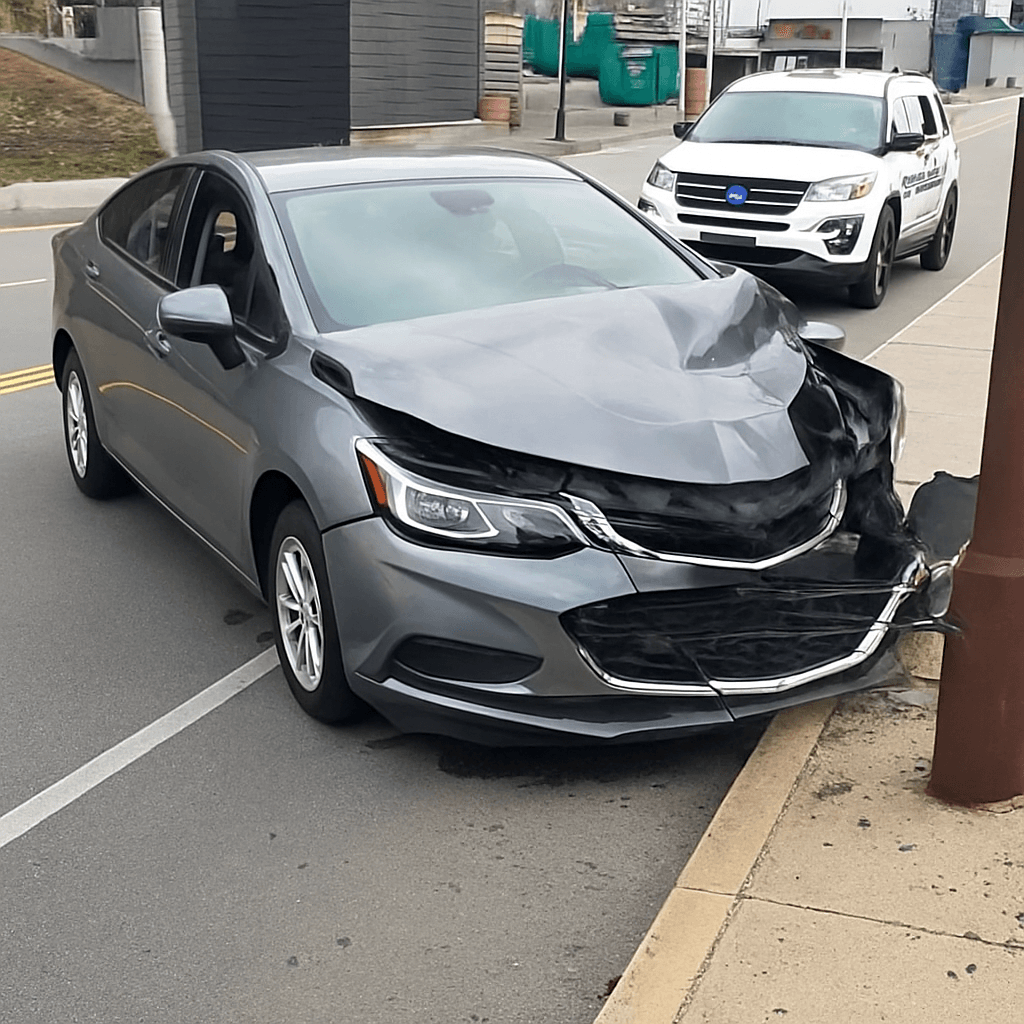
You Were Caught Driving Uninsured After an Accident
The DMV suspended your California license after you caused an accident while uninsured. You received a notice requiring proof of financial responsibility under Vehicle Code §16070 before reinstatement. The notice states you must file SR-22 insurance, pay a $250 reinstatement fee, and maintain continuous coverage for three years. You need coverage that meets the filing requirement without costing more than the fine itself.
California's uninsured-accident suspension is distinct from a DUI or points-based suspension. You do not face a hard suspension period where driving is prohibited entirely. The moment you file SR-22 proof of insurance and pay the reinstatement fee, the DMV lifts the suspension. The procedural blocker is cost: standard-tier carriers either refuse SR-22 filers entirely or quote rates three times higher than non-standard specialists writing this risk tier daily.
Compare car insurance rates in your state
Get quotes from licensed carriers — no obligation, no spam, results in minutes.
Get Your Free QuoteCA Uninsured Accident Reinstatement Fee
$250
California charges $250 to reinstate a license suspended under Vehicle Code §16070 for driving uninsured and causing an accident. This fee is separate from insurance costs and must be paid directly to the DMV before reinstatement.
California Vehicle Code §16070
SR-22 Is Proof of Insurance Filing, Not a Policy Type
SR-22 is a certificate your insurance carrier electronically files with the California DMV confirming you carry at least state minimum liability coverage: $15,000 property damage, $30,000 bodily injury per person, $60,000 bodily injury per accident. The filing itself costs $15–$25 as a one-time processing fee. The expensive part is the underlying liability policy, because carriers classify uninsured-accident SR-22 filers as high-risk and price accordingly.
Most drivers compare quotes from State Farm, Geico, and Progressive first because those are the names they recognize. State Farm writes SR-22 in California but tiers uninsured-accident filers into their highest-risk bracket, often quoting $220–$310/month for minimum liability. Geico and Progressive quote SR-22 but underwrite uninsured accidents conservatively, frequently declining coverage entirely if the accident involved injury or property damage above $5,000. The structural reality: standard-tier carriers do not compete on price for this risk profile.
Non-standard carriers specialize in high-risk filings. Bristol West, Dairyland, Acceptance, Infinity, The General, and National General underwrite uninsured-accident SR-22 as core business and price competitively within the non-standard tier. Monthly premiums for California minimum liability with SR-22 filing typically range $110–$185 from these carriers. The rate spread depends on accident severity, your age, county, and whether you own a vehicle or need a non-owner policy.
Standard-tier carriers quote SR-22 but decline uninsured-accident applicants or price them out. Non-standard specialists quote this risk tier daily at rates 40–60% lower.
How to Find the Cheapest SR-22 Coverage in California

Start with non-standard specialists first: Bristol West, Dairyland, Acceptance, Infinity, The General, and National General. All six write SR-22 in California and underwrite uninsured-accident suspensions without automatic declination. Request quotes for California minimum liability ($15k/$30k/$60k) with SR-22 filing included. Specify whether you currently own a vehicle or need a non-owner SR-22 policy to satisfy the filing requirement without insuring a car you do not drive. Non-owner policies cost $85–$140/month and meet California's SR-22 reinstatement requirement if you sold your vehicle after the suspension.
Quote at least three carriers. Rate spreads within the non-standard tier range $40–$75/month for identical coverage because each carrier's underwriting model weighs accident severity, your age, and county differently. A 28-year-old Los Angeles driver with $8,000 property damage might receive quotes of $145/month from Bristol West, $118/month from Dairyland, and $162/month from Acceptance for the same $15k/$30k/$60k liability coverage with SR-22 filing. The lowest quote is not predictable without comparing all three.
Related Articles

Three-Year Filing Period Starts When You Buy Coverage
California requires continuous SR-22 filing for three years from the date you purchase coverage and the carrier files your SR-22 certificate with the DMV. If your policy lapses at any point during the three-year period, your carrier notifies the DMV electronically within 24 hours and the DMV re-suspends your license immediately. Reinstatement after a lapse requires purchasing new coverage, filing a new SR-22, and paying another $250 reinstatement fee.
Set up automatic payment from a checking account or debit card that will remain funded for three years. Monthly billing cycles create 36 opportunities for accidental lapse; a single missed payment triggers re-suspension regardless of how long you maintained coverage before the lapse. Carriers do not offer grace periods for SR-22 filers because California law requires immediate reporting of policy cancellations.
After three years of continuous coverage, your carrier stops filing SR-22 updates with the DMV and you transition to standard-rate non-SR-22 coverage. Most drivers see rate reductions of 30–50% at the three-year mark when the SR-22 requirement ends and they re-quote with standard-tier carriers. The three-year clock resets entirely if you let coverage lapse during the filing period.
California SR-22 Filing Duration
3 years
California mandates three years of continuous SR-22 filing for uninsured-accident suspensions under Vehicle Code §16070. The period begins the day your carrier files SR-22 proof with the DMV, not the accident date or suspension date. Lapse resets the clock and triggers re-suspension.
California Vehicle Code §16070
Non-Owner SR-22 Costs Less If You Sold Your Vehicle
If you no longer own the vehicle involved in the uninsured accident, a non-owner SR-22 policy satisfies California's filing requirement at lower cost than standard liability coverage. Non-owner policies provide liability coverage when you drive vehicles you do not own: rental cars, borrowed vehicles, employer-provided vehicles. The policy does not cover a vehicle registered in your name, but it meets the DMV's SR-22 proof-of-insurance mandate.
Non-owner SR-22 premiums from non-standard carriers range $85–$140/month in California, compared to $110–$185/month for standard liability coverage with SR-22 filing. The savings compounds over three years: a $30/month reduction totals $1,080 across the required filing period. Geico, State Farm, Progressive, Dairyland, and The General all write non-owner SR-22 policies in California. Quote all five if you do not currently own a vehicle.
Compare Carriers Writing California High-Risk SR-22
The cheapest available SR-22 coverage after an uninsured accident comes from quoting multiple non-standard carriers simultaneously and selecting the lowest monthly premium. Standard-tier carriers either decline uninsured-accident applicants or quote rates that make the three-year total cost prohibitive. Non-standard specialists compete on price within the high-risk tier and produce rate spreads wide enough that comparing three carriers typically saves $35–$70/month compared to accepting the first quote.
Start with carriers confirmed writing California uninsured-accident SR-22: Bristol West, Dairyland, Acceptance, Infinity, The General, and National General for standard liability coverage; add Geico, State Farm, and Progressive if you need a non-owner policy. Request quotes specifying your accident details, current suspension status, and whether you need non-owner or vehicle-owner SR-22 filing. The carrier quoting lowest varies by age, county, and accident severity — there is no universal cheapest option without comparing your specific risk profile across all six.