The Uninsured Driver Trap California Sets
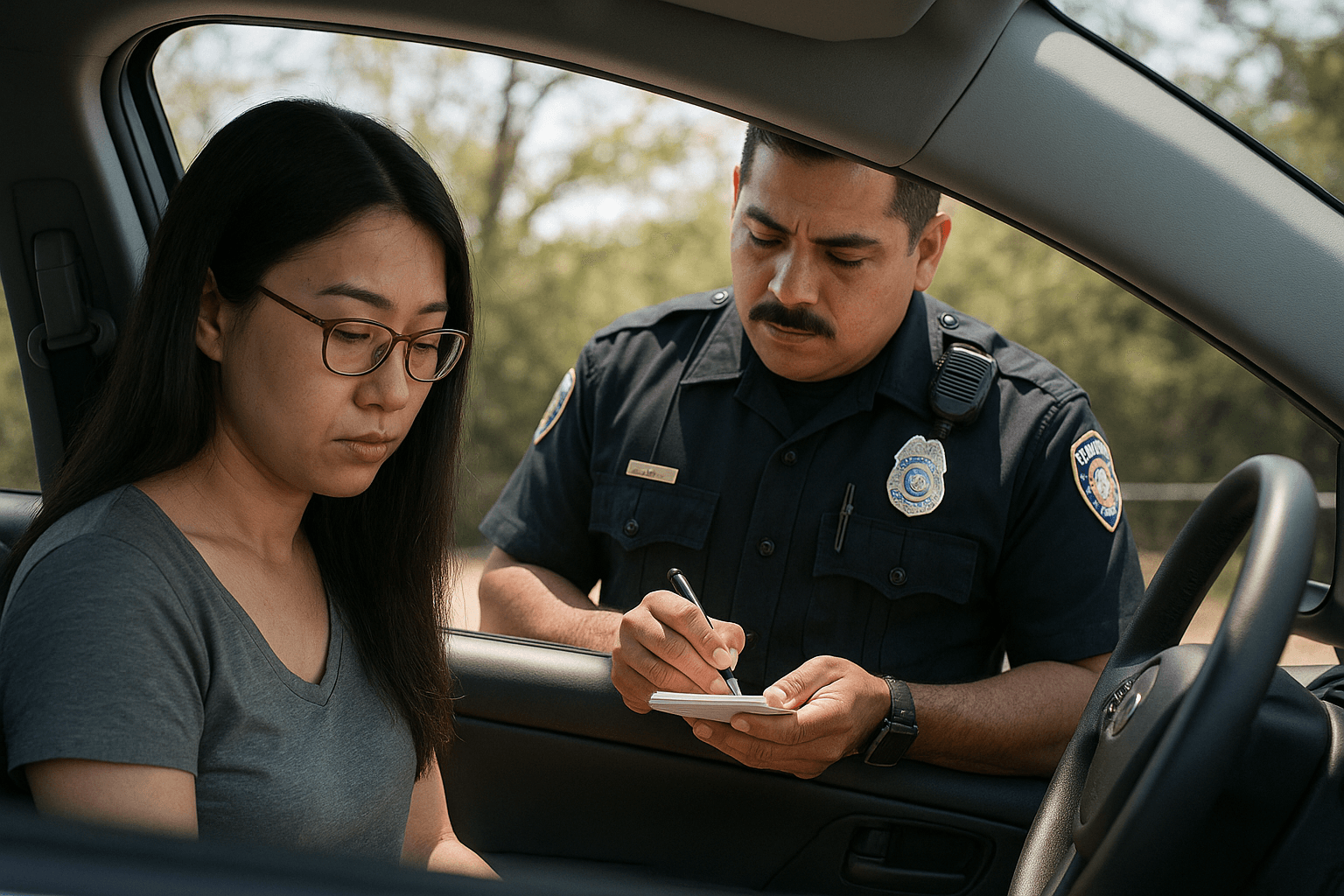
You were pulled over, cited for driving without insurance, and now the DMV sent a suspension notice demanding proof of financial responsibility. California Vehicle Code §16070 triggered an administrative action the moment the officer filed the citation. Your license is suspended until you pay the reinstatement fee and file SR-22 with the DMV for three consecutive years.
Most drivers caught uninsured assume they need to buy the same coverage they couldn't afford before the citation. That's not true. California allows SR-22 filing through non-owner policies if you don't currently own a registered vehicle—these cost roughly half what standard liability policies cost, and they satisfy the state's filing requirement completely.
Compare car insurance rates in your state
Get quotes from licensed carriers — no obligation, no spam, results in minutes.
Get Your Free QuoteCA Uninsured Reinstatement Fee
$250
California charges $250 to reinstate a license suspended under Vehicle Code §16070 for driving without insurance. This is separate from the SR-22 filing fee carriers charge and must be paid directly to the DMV before you can legally drive again.
California Vehicle Code §16070
What SR-22 Filing Actually Requires
SR-22 is not a type of insurance. It's a certificate your carrier files electronically with the DMV proving you carry at least California's minimum liability limits: $15,000 property damage, $30,000 bodily injury per person, $60,000 bodily injury per accident. The carrier charges a one-time filing fee—typically $15 to $50—and reports your policy status to the DMV continuously for three years.
If your policy lapses for any reason during those three years, the carrier notifies the DMV within 24 hours and your license suspends again immediately. You pay another $250 reinstatement fee and restart the three-year clock from zero. This is why finding sustainable coverage you can actually afford matters more than finding the absolute lowest first-month quote.
The three-year period runs from your reinstatement date, not your violation date. If you wait six months to reinstate, you've added six months to the back end of your SR-22 obligation. The clock doesn't start until the DMV receives your SR-22 filing and reinstatement payment.
You cannot reinstate until a carrier files SR-22 with the DMV. Shopping for coverage before paying the reinstatement fee is the correct sequence—the DMV won't process your reinstatement until they receive electronic SR-22 proof.
Non-Owner SR-22: The Path Most Drivers Miss
Non-owner policies provide liability coverage when you drive vehicles you don't own: rentals, borrowed cars, employer vehicles. They satisfy California's SR-22 filing requirement exactly the same way standard policies do. The carrier files the same SR-22 certificate, the DMV processes it identically, and your license reinstates on the same timeline. The only structural difference is the policy doesn't list a specific registered vehicle—it follows you as the named insured across whatever vehicles you drive.
Most carriers writing SR-22 in California offer non-owner options. Geico, Progressive, State Farm, The General, Dairyland, and Bristol West all write non-owner SR-22 policies statewide. Acceptance Insurance and National General write them in most counties. The application process is faster because the carrier doesn't need to run a VIN or inspect a vehicle—you answer questions about your driving history, choose your liability limits, pay the first month plus filing fee, and the carrier files SR-22 electronically within 24 to 48 hours.
Related Articles

When You Need Standard SR-22 Instead
If you own a registered vehicle—even one that doesn't run, even one registered to someone else but insured under your name—you need standard SR-22 liability coverage listing that specific VIN. California requires proof of insurance for every registered vehicle, and the DMV cross-references your SR-22 filing against vehicle registration records. A non-owner policy won't clear a suspension if DMV records show you as a registered owner or listed driver on an active registration.
Standard SR-22 liability premiums after an uninsured violation typically run $110 to $180 per month for minimum state limits in California's non-standard market. Carriers price the violation as moderate risk—higher than a clean record, lower than DUI. Your actual rate depends on how long you drove uninsured before the citation, whether the violation occurred during an accident, your age, and your county. Los Angeles, San Bernardino, and Fresno counties price 15 to 25 percent higher than statewide averages due to uninsured motorist claim frequency.
Carriers writing standard SR-22 in California include all the non-owner writers listed above plus Kemper, Infinity, Mercury General as a broker-only option, and CSAA in some counties. Bristol West, Dairyland, and The General specialize in post-violation placements and typically return quotes when standard-market carriers decline.
California SR-22 Filing Period
3 years
California requires continuous SR-22 filing for three years following reinstatement after driving uninsured. Any lapse in coverage during that period triggers immediate re-suspension, a new $250 reinstatement fee, and restarts the three-year clock from the date you refile SR-22.
California Vehicle Code §16074
How to Compare Carriers Without Wasting Time
Request quotes from at least three carriers writing SR-22 in your county. Monthly premiums for the same coverage vary by 40 to 70 percent between carriers because each prices uninsured violations differently. One carrier's algorithm weights the violation heavily; another weights your years-licensed and ZIP code more. You cannot predict which carrier will price you lowest without running actual quotes.
When requesting quotes, clarify whether you need non-owner or standard coverage upfront. Specify that you need SR-22 filing. Confirm the quoted premium includes the filing fee or ask what the fee is separately—some agents quote the monthly premium and add the filing fee at purchase, others build it into the first payment. Ask how quickly the carrier files SR-22 electronically after payment clears. Most file within 24 hours; a few take up to five business days, which delays your reinstatement.
Reinstate First, Then Optimize Coverage
Your first goal is reinstating your license with affordable SR-22 coverage you can sustain for three years without lapsing. Once reinstated, you can shop again at your six-month or annual renewal and move to a cheaper carrier if one emerges. SR-22 transfers between carriers seamlessly—the new carrier files SR-22 electronically when your new policy starts, the old carrier cancels their filing the same day, and the DMV sees continuous coverage with no gap.
Start by getting quotes for the coverage type that matches your current vehicle situation. If you don't own a car, prioritize non-owner quotes from carriers operating statewide in California. If you own a vehicle, request standard liability quotes at minimum state limits first, then ask what 50/100/25 or 100/300/50 limits cost—higher limits sometimes price within $10 to $20 per month of minimum limits and provide better protection if you cause an accident during your SR-22 period.