
What Reinstatement Actually Requires in California
You received the DMV suspension notice. Your license is currently invalid. The first question you're asking is whether you need insurance right now, today, while you're not legally allowed to drive. The answer: yes, if your suspension trigger requires an SR-22 filing. California will not process your reinstatement application until the DMV receives proof of continuous insurance coverage via SR-22 certificate — and that filing must be active before you submit reinstatement paperwork.
California's reinstatement pathway is not one-size-fits-all. What you owe the DMV, what paperwork you file, and whether SR-22 applies depends entirely on what triggered your suspension in the first place. DUI suspensions under Vehicle Code §13352 follow a different procedural track than negligent operator point-accumulation suspensions under §12810. Failure-to-appear suspensions under VC §13365 block hardship license pathways entirely. The friction point: most drivers assume reinstatement is a flat $55 reissue fee and a trip to the DMV. That assumption works only for the simplest cases.
Compare car insurance rates in your state
Get quotes from licensed carriers — no obligation, no spam, results in minutes.
Get Your Free QuoteCalifornia Base Reissue Fee
$55
California Vehicle Code §14904 sets the baseline administrative reinstatement charge at $55, applicable to most suspension types. This does not include DUI program costs, restricted license application fees ($125), or SR-22 policy premiums.
California Vehicle Code §14904
SR-22 Applies to Specific Triggers Only
SR-22 is required for DUI suspensions, reckless driving under VC §23103, uninsured driving violations, and suspensions under the financial responsibility laws (VC §16070 et seq.). SR-22 is not required for failure-to-appear suspensions, unpaid traffic fines under VC §13365, or child support arrears suspensions. The DMV will not tell you this distinction upfront — the suspension notice states "reinstatement requirements vary" without naming which apply to your case.
If your suspension was DUI-related, SR-22 filing must be maintained for 3 years from the reinstatement date. California uses an Electronic Financial Responsibility (EFR) system under VC §16058 that cross-checks carrier reports in real time. If your SR-22 lapses at any point during the 3-year period, the DMV receives an automated notice from your insurer and re-suspends your license immediately. No grace period. No warning letter. The lapse triggers automatic suspension the day the carrier files the cancellation notice.
If your suspension was triggered by point accumulation as a negligent operator (4 points in 12 months, 6 points in 24 months, or 8 points in 36 months under VC §12810), SR-22 may or may not be required depending on whether the underlying violations involved uninsured driving or financial responsibility. The DMV evaluates this case-by-case. If you are uncertain, call the DMV's mandatory actions unit at your local field office — the automated phone tree will not answer this question accurately.
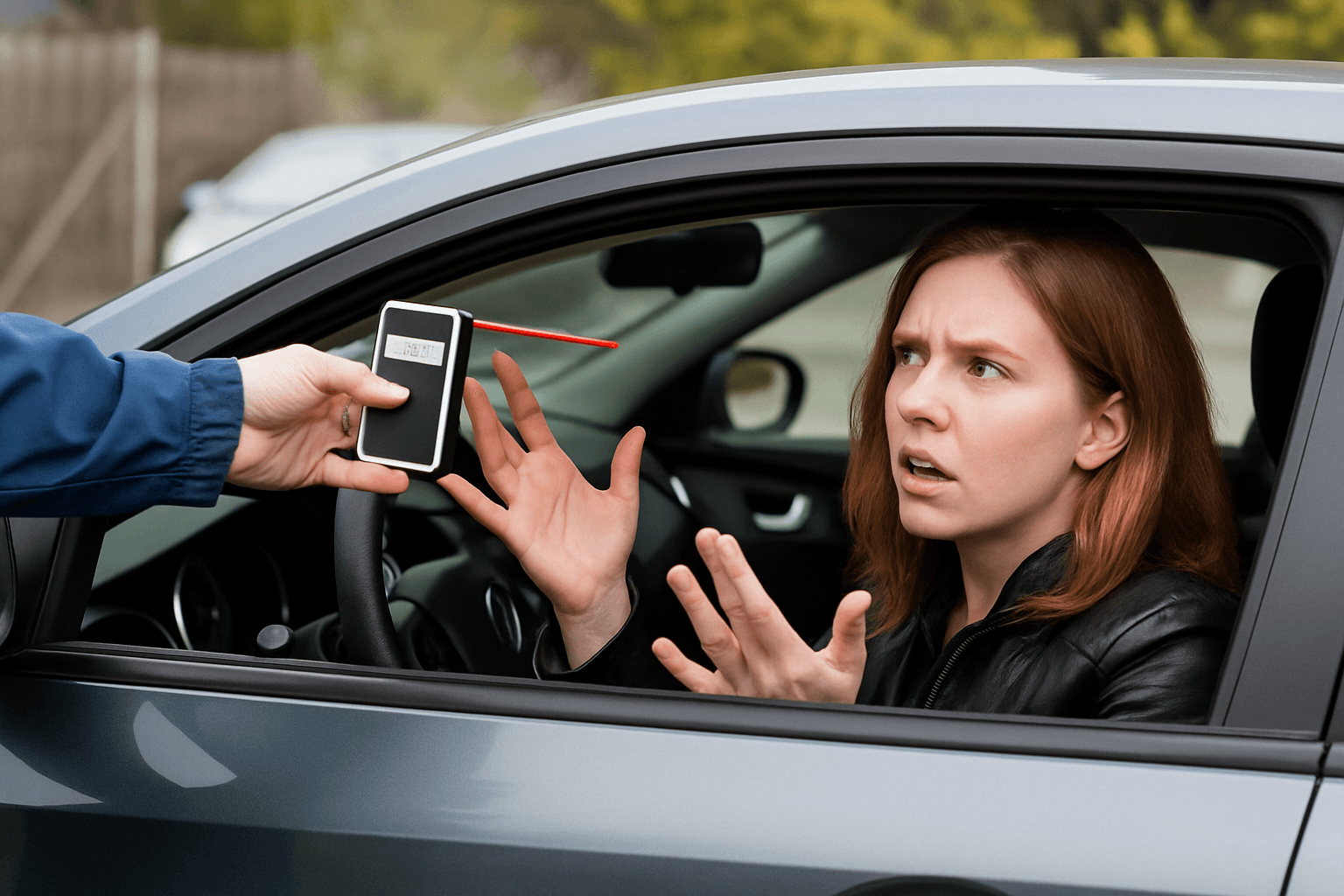
If your suspension was DUI-related, you cannot obtain a restricted license without first installing an ignition interlock device (IID) — even if you completed the DUI program and paid all fines.
The Restricted License Application Process
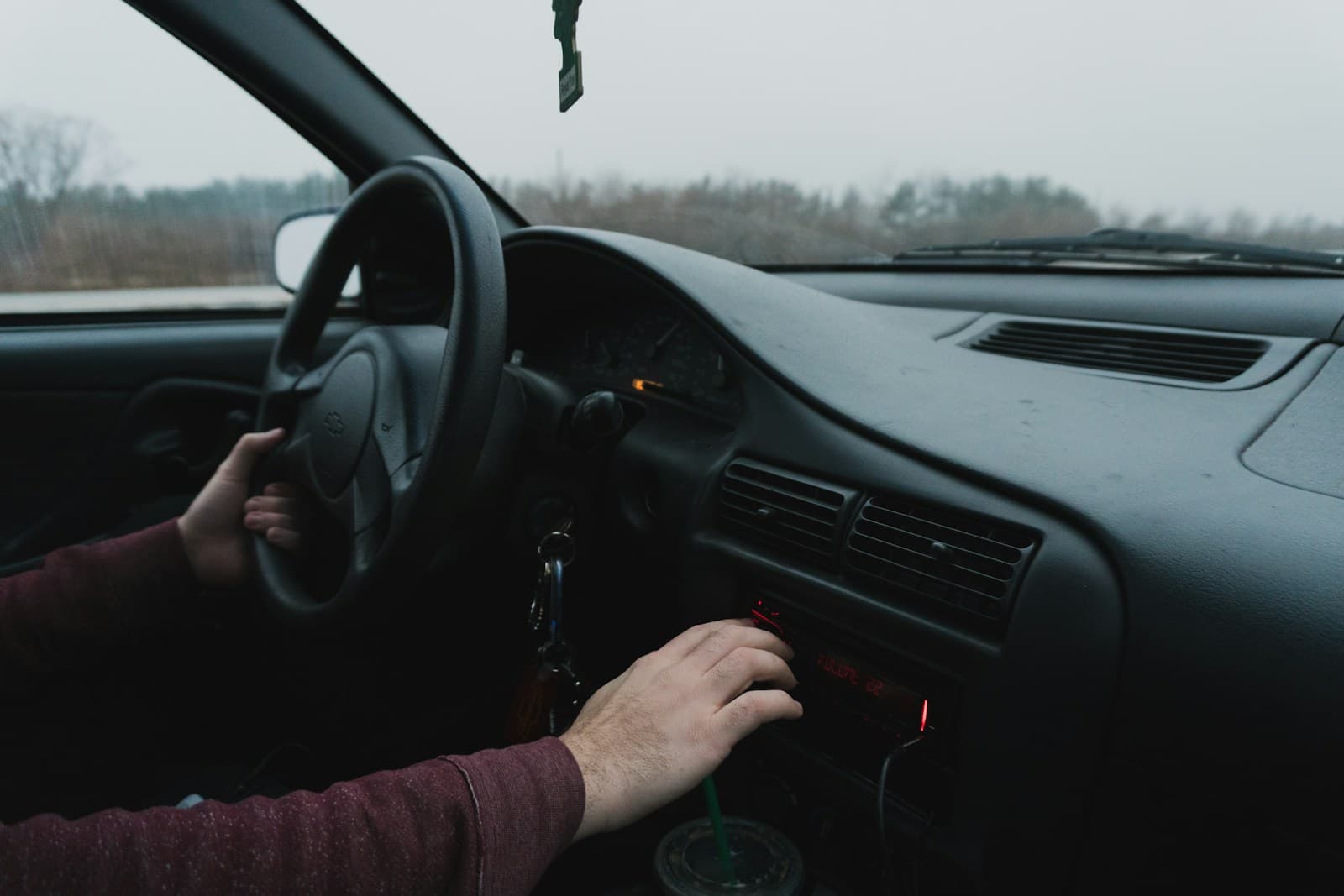
For DUI suspensions under VC §13352 or §13353, you must first complete enrollment in a state-licensed DUI program (3-month, 9-month, 18-month, or 30-month program depending on offense count and BAC level), install an ignition interlock device (IID) with a state-certified vendor, obtain SR-22 insurance from a licensed carrier, and pay the $125 restricted license application fee. Under AB 91 (effective January 1, 2019), California expanded a statewide IID program allowing first-offense DUI drivers to bypass the mandatory 30-day hard suspension entirely by immediately installing an IID and obtaining a restricted license. This is a significant procedural shift — older advice online still references the 30-day hard suspension, but you can apply for the restricted license immediately if IID is installed first.
The restricted license itself limits driving to commute routes to and from work, travel to and from the DUI treatment program, and driving within the scope of employment (delivery drivers, sales routes, etc.). Routes are not court-defined or pre-approved — the restriction is purpose-based rather than geographic. You cannot use a restricted license for personal errands, child pickup, or weekend trips. Violating the restriction terms results in immediate revocation of the restricted license and extension of the full suspension period. California does not issue warnings for restriction violations — the next time you're pulled over, the officer will confiscate the restricted license on the spot.
Related Articles




Negligent Operator Reexamination Requirement
Drivers suspended as negligent operators under VC §12810 face a procedural step that the standard reinstatement checklist never mentions: DMV reexamination. The DMV's Driver Safety office may require you to pass a written knowledge test, a behind-the-wheel driving test, or both before reinstating your license. This overrides the "no retest required" default that applies to most other suspension types.
The reexamination requirement is not automatic — the DMV evaluates your violation history and decides whether retesting is warranted. If the underlying violations involved at-fault accidents, unsafe lane changes, or speed-related citations, reexamination probability increases significantly. You will not know whether reexamination is required until you submit your reinstatement application and the DMV sends a reexamination notice. Plan for this: the reexamination notice adds 2-4 weeks to your reinstatement timeline, and failing the driving test on the first attempt adds another 2-week waiting period before you can retest.
If reexamination is required, you must complete it before the DMV will process your reinstatement fee payment. The $55 reissue fee is not refundable if you fail the reexamination. Budget both the time and the financial risk into your reinstatement plan. If you have not driven regularly in months, schedule a behind-the-wheel lesson with a licensed driving instructor before the DMV test — the DMV's failure rate for negligent operator reexaminations is significantly higher than the standard first-time driver test.
California SR-22 Filing Period
3 years
SR-22 must be maintained for 3 years from reinstatement date for most DUI-related suspensions. Any lapse during this period triggers immediate re-suspension. The filing period cannot be shortened — it runs the full 36 months regardless of clean driving record.
California Vehicle Code §16072
The Timeline and Cost Structure
California's reinstatement timeline varies by suspension type. For DUI suspensions with IID installation and restricted license application, expect 4-6 weeks from the date you enroll in the DUI program to the date the DMV issues the restricted license. The bottleneck is IID vendor scheduling — most certified vendors in urban counties have 2-3 week lead times for installation appointments. For negligent operator suspensions without reexamination, expect 2-3 weeks from fee payment to reinstatement confirmation. If reexamination is required, add 3-5 weeks.
The cost structure for DUI reinstatement: $125 restricted license application fee, $55 base reissue fee when transitioning from restricted to full license post-suspension, DUI program enrollment fees ranging from $500 (3-month program) to $1,800 (18-month program), IID installation and monthly monitoring fees typically $70-$100/month for the IID period (12 months for first offense, 24-36 months for repeat offenses), and SR-22 insurance premiums. SR-22 policies in California for DUI suspensions typically run $140-$240/month for liability-only coverage, depending on county, age, and carrier. Total first-year cost for a first-offense DUI reinstatement in California: approximately $3,500-$5,000 when IID, DUI program, and SR-22 premiums are combined.
What Happens If You Miss a Step
The most common reinstatement failure mode: applying for a restricted license before completing DUI program enrollment. The DMV will reject the application and refund the $125 fee, but the rejection adds 3-4 weeks to your timeline because you must restart the application process after enrollment is confirmed. Enrollment confirmation is not instant — the DUI program provider submits enrollment verification to the DMV electronically, and that verification takes 5-10 business days to appear in the DMV's system. Do not submit your restricted license application until you receive written confirmation from the DUI program that enrollment has been transmitted to the DMV.
The second most common failure: letting SR-22 lapse during the 3-year filing period. California carriers are required to notify the DMV electronically within 24 hours of policy cancellation. If you cancel your SR-22 policy to switch carriers, the new carrier must file the replacement SR-22 before the old carrier's cancellation notice hits the DMV's system. Coordinate the transition directly with both carriers — do not assume the new carrier will file before the old carrier cancels. A single day of SR-22 lapse triggers re-suspension, and clearing that re-suspension requires paying the $55 reissue fee again and waiting another 2-3 weeks for reinstatement processing. Your 3-year SR-22 clock does not reset, but the suspension gap is recorded permanently on your DMV record.
If you violate restricted license terms — driving outside permitted purposes, driving without the IID installed, or accumulating additional violations while on restricted status — the DMV revokes the restricted license immediately and you return to full suspension status. Revocation extends your total suspension period by the length of time the restricted license was active. You cannot reapply for a new restricted license after revocation; you must serve the remainder of the original suspension period in full before eligibility for reinstatement.