
When Your Carrier Drops You and the Clock Starts
Your insurance company sent a cancellation notice. Maybe you missed a payment, maybe your DUI conviction finally hit their underwriting system, maybe they're exiting California's high-risk market entirely. The reason matters less than what happens next: California's Electronic Financial Responsibility system reports your cancellation to the DMV within 24 to 48 hours, and the DMV starts a registration suspension process immediately. You have no grace period under California Vehicle Code §16058. The moment your carrier reports the lapse and no replacement coverage appears in the EFR system, your vehicle registration is flagged for suspension.
Most drivers discover the problem when they receive a DMV notice weeks later, but the violation clock started the day your old policy lapsed. California does not suspend your driver license for a bare lapse, but it will suspend your vehicle registration under §4000.38, making it illegal to drive that car even if you hold a valid license. Reinstatement requires proof of insurance and a fee. The cheaper path is replacement coverage before the DMV notice becomes a suspension order.
Compare car insurance rates in your state
Get quotes from licensed carriers — no obligation, no spam, results in minutes.
Get Your Free QuoteCarrier-to-DMV Report Window
24–48 hours
California insurers electronically report policy cancellations to the DMV within this window under the state's EFR program. The DMV cross-matches the cancellation against new policy reports; if no replacement coverage appears, registration suspension proceedings begin automatically.
California Vehicle Code §16058
Why You're Now Flagged as High-Risk
A mid-term cancellation marks you as a lapse risk in carrier underwriting systems. Whether the cancellation was for nonpayment, a new violation on your record, or the carrier's exit from a market segment, the result is the same: you are now applying for coverage with a recent cancellation on your insurance history. Standard-tier carriers (Allstate, Farmers, Liberty Mutual) either decline you outright or quote rates 60% to 120% higher than your previous premium. Preferred-tier carriers (State Farm, USAA, Amica) will not quote at all if the cancellation is visible in your CLUE report.
The California insurance market segments sharply by risk tier. Standard carriers serve clean-record drivers. Non-standard carriers (Bristol West, Dairyland, Infinity, The General, National General) serve drivers with violations, lapses, or cancellations. Non-standard does not mean uninsured: these carriers file rates with the California Department of Insurance and provide the same liability coverage required by law. They simply charge higher premiums to offset claim risk. If your previous carrier was standard-tier and dropped you, your replacement coverage will come from a non-standard carrier at a higher rate.
You cannot restore standard-tier eligibility until 3 years after your last lapse or violation. Non-standard coverage is not temporary — it is your actual tier now.
The Two Paths: Vehicle Coverage or Non-Owner
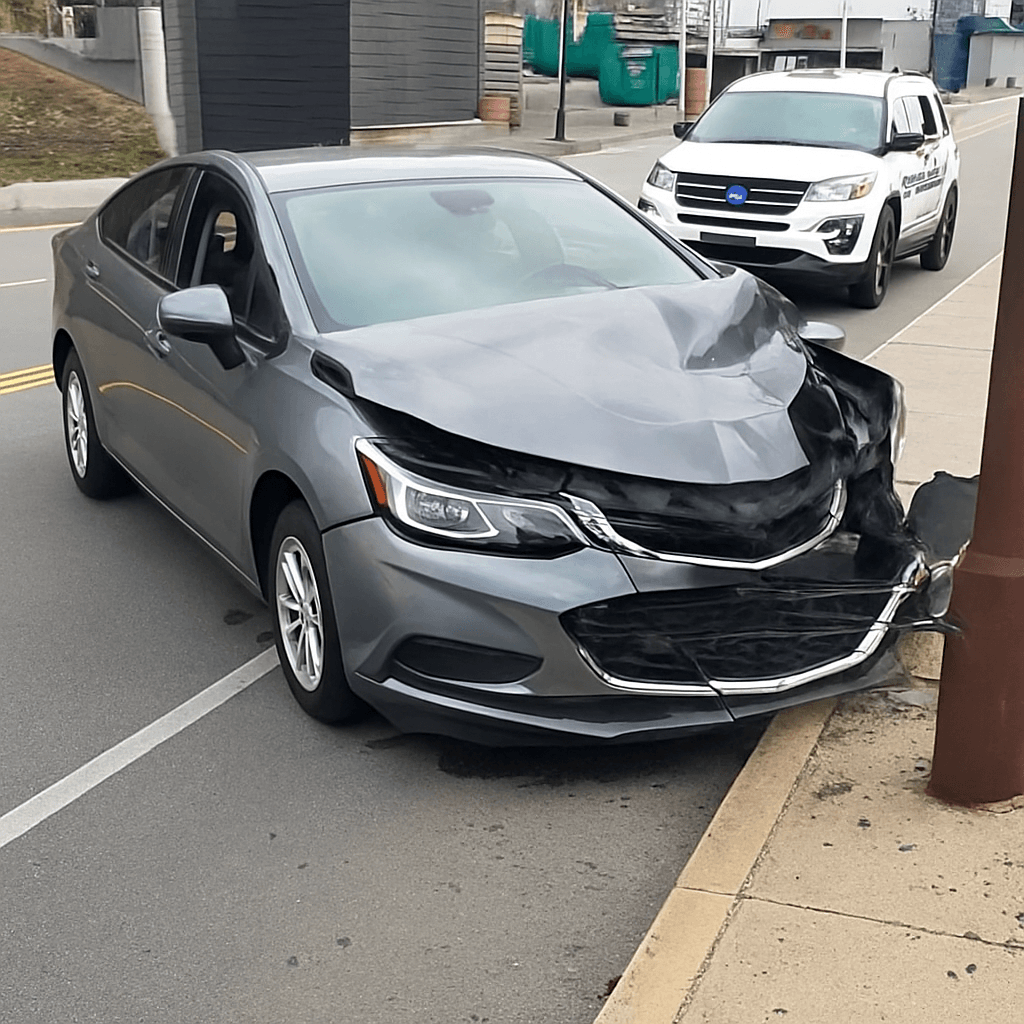
If you own the vehicle and need to drive it, you need a standard auto insurance policy with liability coverage meeting California's minimum requirements: $15,000 bodily injury per person, $30,000 per accident, $5,000 property damage. Non-standard carriers writing post-cancellation policies in California include Bristol West, Dairyland, Infinity, The General, National General, Progressive, and Geico (which writes both standard and non-standard tiers). Monthly premiums for minimum liability after a cancellation typically range from $85 to $160 depending on your ZIP code, age, and the violation that triggered the original cancellation. Los Angeles and San Francisco drivers pay toward the high end; Fresno and Sacramento drivers pay closer to the low end.
If you do not own a vehicle but need continuous insurance to satisfy a court order, probation requirement, or DMV reinstatement condition, a non-owner policy provides liability coverage when you drive borrowed or rental cars. Non-owner policies cost significantly less because they exclude collision and comprehensive coverage and carry lower claim risk. California non-owner liability policies from non-standard carriers start at $45 to $75 per month. If your cancellation was triggered by a DUI and you are required to file SR-22, the non-owner SR-22 policy is often the cheapest compliance path: the SR-22 filing itself costs $15 to $25 as a one-time fee, and the monthly premium reflects the non-owner base rate plus a 10% to 20% surcharge for the filing requirement.
Related Articles




What Drives the Price Difference Between Carriers
Non-standard carriers use different underwriting models, and their pricing spread on the same risk profile can vary by 40% to 80%. Dairyland and Bristol West specialize in DUI and SR-22 cases and often quote lower for drivers with alcohol-related violations. The General and Infinity focus on lapse-history drivers and nonpayment cases and price competitively when the cancellation reason was financial rather than a new ticket. Progressive writes both standard and non-standard tiers and can sometimes offer mid-tier pricing if your violation is older than 18 months. Geico's non-standard subsidiary writes high-risk policies but does not advertise them prominently; you must call or use the online quote tool and disclose the cancellation to receive a non-standard quote.
Rate differences also reflect county-level claim costs. Los Angeles County has the highest auto insurance rates in California due to uninsured motorist frequency, theft rates, and traffic density. San Francisco, Oakland, and Sacramento follow. Fresno, Bakersfield, and Riverside offer lower base rates but still price post-cancellation drivers 50% to 90% above clean-record premiums. If you moved counties since your last policy, your replacement quote will reflect the new county's loss history, not your old one.
The absence of collision and comprehensive coverage on minimum-liability policies accounts for the largest cost reduction. If your cancelled policy included full coverage and your lender required it, you cannot drop those coverages without violating your loan agreement. Most non-standard carriers allow you to add collision and comprehensive, but the combined premium will approach $200 to $320 per month depending on your vehicle's value. If the car is paid off and worth less than $5,000, dropping physical damage coverage and accepting the liability-only rate is usually the cheaper decision.
SR-22 filing adds $15 to $25 as a one-time DMV processing fee, plus 10% to 20% to your monthly premium as a risk surcharge. The filing itself is not insurance; it is a certificate your carrier submits to the DMV certifying you hold continuous liability coverage. If your policy lapses again, the carrier notifies the DMV and your license or registration is suspended immediately. California requires SR-22 for 3 years after DUI convictions and certain uninsured-driving violations. If your cancellation was not triggered by DUI or an uninsured accident, you likely do not need SR-22 unless a court specifically ordered it.
Non-Owner Policy Base Rate
$45–$75/mo
California non-owner liability policies from non-standard carriers cost significantly less than vehicle policies because they exclude collision, comprehensive, and physical damage coverage. Add $5–$15/mo if SR-22 filing is required.
How to Compare and Buy Immediately
Non-standard carriers do not all appear in aggregator quote tools. Progressive, Geico, and National General offer online quotes for post-cancellation drivers, but Bristol West, Dairyland, Infinity, and The General often require a phone call or broker contact to access non-standard-tier pricing. If you use an online comparison tool, enter your cancellation date and reason accurately: underquoting by omitting the cancellation will result in a declination or re-rate after the carrier pulls your CLUE report, wasting days you do not have.
When comparing quotes, confirm the policy effective date matches your need. If the DMV has already sent a suspension notice with a compliance deadline, you need same-day or next-day coverage. Most non-standard carriers offer same-day binding if you pay the first month's premium by credit card or debit card. If you are buying a non-owner policy to satisfy SR-22 requirements, confirm the carrier will file the SR-22 electronically with the DMV within 24 hours of binding. Some carriers file same-day; others take 3 to 5 business days, and a delayed filing can trigger a suspension if you are inside a reinstatement window.
Get a Quote and Restore Compliance Today
The cheapest post-cancellation coverage in California comes from non-standard carriers writing liability-only or non-owner policies, not from trying to restore your relationship with a standard-tier carrier that already declined you. If you need vehicle coverage and own the car outright, expect $85 to $160 per month for minimum liability. If you need non-owner coverage to satisfy a filing requirement, expect $45 to $75 per month. If SR-22 is required, add the filing fee and surcharge but start shopping immediately: California's EFR reporting system does not wait, and every day without replacement coverage moves you closer to a registration suspension that costs $55 to lift plus proof of insurance you should have bought yesterday. Compare non-standard carrier quotes now and bind the policy that meets your compliance need at the lowest monthly cost.