When Same-Day Filing Actually Restores Your License
You were suspended yesterday for driving uninsured after an accident on the 405, your employer needs proof of reinstatement by Friday to keep you on the route schedule, and every SR-22 explainer you've read promises same-day filing without clarifying what same-day filing actually accomplishes. The carrier files electronically with the California DMV within hours. The DMV acknowledges receipt almost immediately. But whether that filing lifts your suspension today or merely checks one box in a longer reinstatement sequence depends entirely on what triggered your suspension in the first place.
For pure financial responsibility suspensions under California Vehicle Code §16070 (uninsured accident, failure to provide proof of insurance after a citation), SR-22 filing alone can satisfy DMV requirements and restore your privilege within 24-48 hours once the $125 reissue fee is paid. For DUI administrative per se suspensions under §13353, SR-22 is required but does not lift the suspension until you've completed the 30-day hard period, enrolled in a DUI program, and installed an ignition interlock device if applicable. Same-day filing gets the SR-22 on record. It does not override the procedural sequence your suspension type demands.
Compare car insurance rates in your state
Get quotes from licensed carriers — no obligation, no spam, results in minutes.
Get Your Free QuoteCalifornia Electronic SR-22 Filing Window
2-4 hours
Most California carriers file SR-22 certificates electronically through the DMV's Electronic Financial Responsibility (EFR) system. The filing reaches the DMV database within 2-4 hours of policy binding. The DMV does not confirm receipt to the driver; carriers receive automated acknowledgment, and the filing appears in your DMV record typically within one business day.
California DMV Electronic Financial Responsibility program, CVC §16058
What SR-22 Filing Does and Does Not Do
SR-22 is not insurance. It is a certificate filed by your carrier with the California DMV certifying that you carry at least the state minimum liability coverage: $15,000 property damage, $30,000 bodily injury per person, $60,000 bodily injury per accident. The filing satisfies California's proof-of-financial-responsibility requirement after certain violations. It does not reinstate your license by itself.
The structural confusion: the DMV requires SR-22 as a prerequisite for reinstatement after most suspensions, but reinstatement also requires other steps that vary by suspension trigger. For uninsured-driving financial responsibility suspensions, SR-22 plus the $125 reissue fee may be the only requirements. For DUI suspensions, SR-22 is one item on a list that includes DUI program enrollment, ignition interlock installation, completion of the 30-day hard suspension period, and payment of reinstatement fees. Filing SR-22 today does not skip the other items.
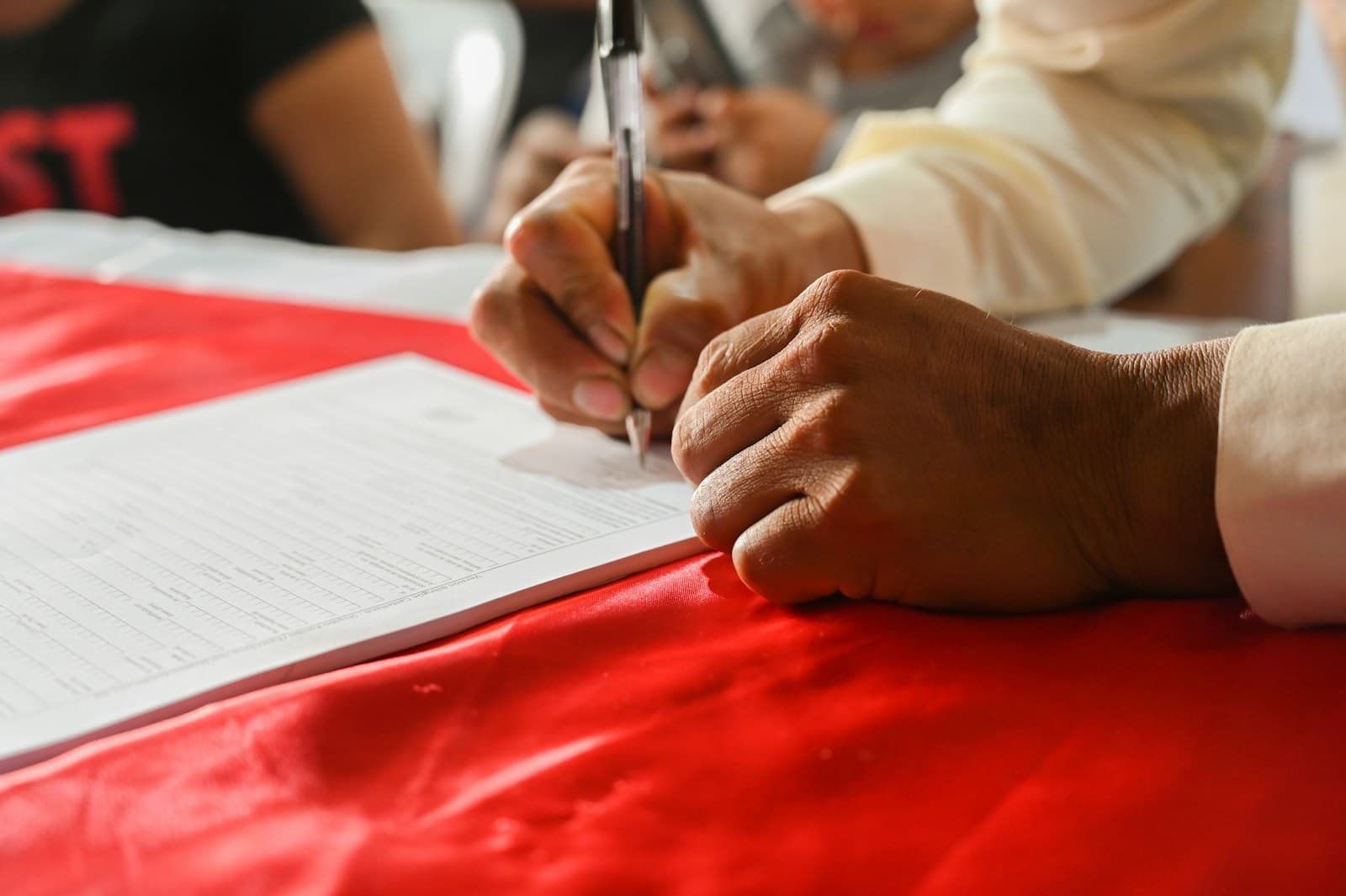
If your employer, probation officer, or court requires proof that you've filed SR-22, the carrier provides an SR-22 certificate (usually a stamped form or PDF) immediately upon policy binding. That certificate proves compliance with the filing requirement. It does not prove your license is reinstated. Your DMV driving record shows reinstatement status separately, and that record updates only after all reinstatement conditions are met.
Filing SR-22 today satisfies one DMV reinstatement requirement. It does not override the suspension period, program enrollment deadlines, or ignition interlock mandates your trigger imposes.
Los Angeles Carriers Writing Same-Day SR-22

Progressive, GEICO, The General, Dairyland, and Bristol West write SR-22 policies for most suspension triggers in Los Angeles and file electronically within hours of binding. Progressive and GEICO operate in the standard-to-nonstandard tier and accept DUI cases with completed program enrollment; The General, Dairyland, and Bristol West specialize in high-risk nonstandard placements and accept active DUI suspensions before program completion. State Farm writes SR-22 for non-DUI triggers (financial responsibility, point accumulation) but declines most DUI-related SR-22 requests.
Acceptance Insurance, Infinity, Kemper, and National General write nonstandard SR-22 policies across suspension triggers but may require broker placement rather than direct online quote. If you apply online today and receive a quote, the carrier can usually bind the policy and file SR-22 the same day. If the online quote declines you to a broker, same-day filing depends on broker availability and underwriting review, which can stretch into 24-48 hours in practice.
Related Articles


Reinstatement Path by Suspension Trigger
For financial responsibility suspensions (uninsured accident under CVC §16070, failure to provide proof of insurance), the reinstatement path is: obtain SR-22 insurance, file SR-22 electronically through your carrier, pay the $125 reissue fee to the DMV, and wait 24-48 hours for the DMV to process and lift the suspension. No hard suspension period applies. No program enrollment is required. SR-22 plus the fee satisfies the reinstatement conditions. You can complete this sequence in one day if you bind the policy in the morning and pay the reissue fee online through the DMV portal the same afternoon.
For DUI administrative per se suspensions under CVC §13353, the reinstatement path is longer. First-offense DUI triggers a 30-day hard suspension during which no driving is allowed. After 30 days, you become eligible for a restricted license if you: enroll in a DUI program (3-month, 9-month, or 18-month depending on BAC and prior offenses), install an ignition interlock device, file SR-22, and pay the $125 reissue fee. Filing SR-22 today satisfies one item on that list. It does not bypass the 30-day hard period or the IID installation requirement. Under California's AB 91 IID pilot (now statewide), first-offense DUI drivers can skip the 30-day hard suspension entirely by installing an IID immediately and obtaining a restricted license, but SR-22 filing is still required as part of that pathway.
For negligent operator point-accumulation suspensions, reinstatement typically requires: completing any mandated reexamination (written test, drive test, or both), filing SR-22 if the suspension notice specifies it, paying the reissue fee, and waiting for DMV clearance. Not all point suspensions require SR-22; the suspension notice from the DMV specifies whether SR-22 is a condition. If SR-22 is not listed as a reinstatement requirement, filing it anyway does not harm you but also does not accelerate reinstatement.
California License Reissue Fee
$125
California Vehicle Code §14904 sets the $125 reissue fee as the baseline administrative reinstatement charge for most suspension types. This fee is separate from SR-22 insurance premiums and applies whether you file SR-22 or not. You pay it once per suspension; multiple violations during the same suspension period do not stack reissue fees.
California Vehicle Code §14904
How Long SR-22 Filing Lasts in California
California requires SR-22 filing for 3 years from the reinstatement date for most DUI-related suspensions and negligent operator cases. The 3-year period starts when your license is reinstated, not when you first file SR-22. If you file SR-22 today but do not complete the other reinstatement requirements for another 60 days, the 3-year clock starts in 60 days, and you must maintain continuous SR-22 coverage until 3 years after that reinstatement date.
If your SR-22 policy lapses at any point during the 3-year period, your carrier notifies the DMV electronically within 24 hours, and the DMV re-suspends your license immediately. Reinstatement after an SR-22 lapse requires filing a new SR-22 and paying another $125 reissue fee. The 3-year period does not restart; it pauses during the lapse and resumes once the new SR-22 is filed, but the administrative penalty (re-suspension, second reissue fee) makes lapses expensive. Maintaining continuous coverage for the full 3-year period without any lapse is the only way to satisfy the requirement cleanly.
What to Do Right Now
Check your suspension notice from the California DMV. The notice specifies your suspension trigger, the reinstatement requirements (including whether SR-22 is required), and any hard suspension period you must complete before applying for reinstatement or a restricted license. If SR-22 is listed as a requirement, obtain a quote from a carrier licensed to write SR-22 in California. Progressive, GEICO, The General, and Dairyland all offer online quotes for SR-22 policies and can bind coverage and file electronically the same day.
If your suspension is DUI-related and you are within the 30-day hard period, filing SR-22 today satisfies one reinstatement prerequisite but does not restore your driving privilege until the 30 days elapse and you complete DUI program enrollment and IID installation. If your suspension is financial-responsibility-related (uninsured accident, failure to provide proof), filing SR-22 today and paying the $125 reissue fee online can restore your license within 24-48 hours once the DMV processes both. Compare SR-22 quotes by trigger-specific tier, bind the policy that fits your timeline, and verify with the carrier that electronic filing will occur the same day. The carrier provides an SR-22 certificate immediately; bring that certificate to your employer, court, or probation officer as proof of compliance while you wait for the DMV to update your driving record.