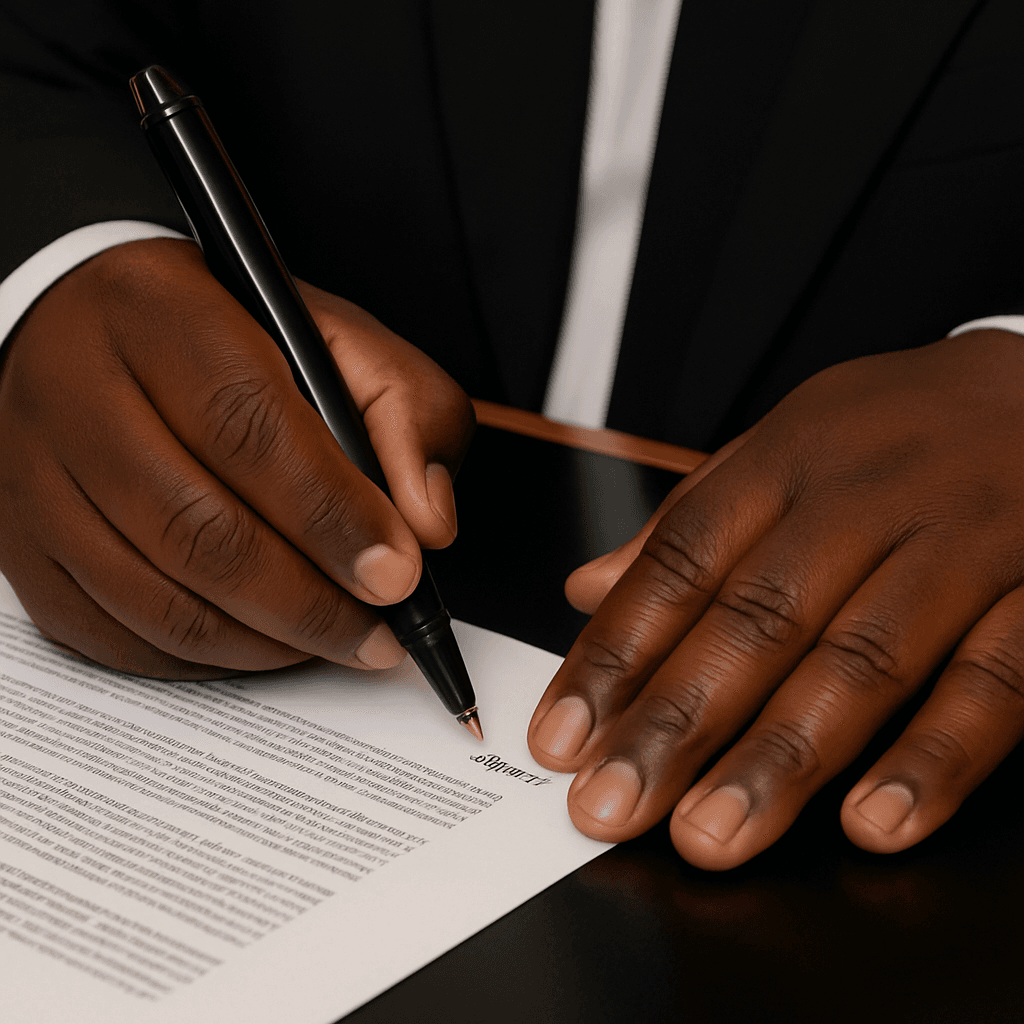
The Document Your DMV Appointment Actually Requires
You purchased SR-22 insurance, your carrier sent a confirmation email, and you printed it for your DMV reinstatement appointment. The clerk looked at it for three seconds and told you it's not acceptable proof. You're not the first California driver sent home from a DMV counter with the wrong document. Carriers issue multiple SR-22 documents during the filing process, and most drivers bring the wrong one to their first appointment.
California Vehicle Code §16430 requires carriers to file Form SR-22 electronically with the DMV and issue a physical certificate to the policyholder. The electronic filing satisfies the state's insurance verification requirement, but reinstatement appointments, court hearings, and employer documentation requests require the physical certificate — a specific format document with a raised seal that most carriers mail separately from policy materials. Your policy declarations page is not SR-22 proof. Your welcome email is not SR-22 proof. Your insurance card is not SR-22 proof, even if it says SR-22 on it.
Compare car insurance rates in your state
Get quotes from licensed carriers — no obligation, no spam, results in minutes.
Get Your Free QuoteElectronic Filing to DMV
24-48 hours
California carriers electronically transmit SR-22 filings to DMV within 24-48 hours of policy binding. The DMV typically updates your driver record within 72 hours of receiving the electronic filing, but this does not replace the physical certificate requirement for in-person appointments.
California Vehicle Code §16430
Three SR-22 Documents and What They Actually Prove
California carriers issue three separate SR-22 documents, each serving a different procedural purpose. The electronic filing (Form SR-22) goes directly from the carrier to the DMV and updates your driver license record — you never see this document, and the DMV will not give you a copy. The physical SR-22 certificate is a printed copy of the filed form with a raised carrier seal, mailed to your address within 5-10 business days of policy binding. The policy declarations page shows SR-22 as an endorsement on your auto policy but does not constitute filing proof under California regulation.
The physical certificate is the only document DMV clerks, court officers, and employer HR departments universally accept as SR-22 proof. It contains your name exactly as it appears on your driver license, your DL number, the policy effective date, the carrier's NAIC number, and a raised seal certifying the carrier filed electronically with the state. Email confirmations, even if they include SR-22 language, do not carry the seal and are rejected at DMV counters.
The raised seal on the physical SR-22 certificate is not decorative — California DMV regulation requires it as anti-fraud verification, and clerks are trained to reject unsealed documents on sight.
How to Obtain the Physical Certificate When You Need It Now

Call your carrier's SR-22 department directly and request overnight or two-day expedited mailing of the physical certificate. Most carriers charge $15-$25 for expedited delivery. Provide your policy number, driver license number, and the address where you need the certificate delivered. Verify with the representative that the document will include the raised seal — some carriers send interim letters of coverage that look official but lack the seal DMV requires. Request tracking information and confirm the expected delivery date before ending the call.
If you are already at a DMV office or courthouse and realize you brought the wrong document, ask the clerk whether they can verify electronic filing in the state system. Some DMV locations can pull your driver record on-screen and confirm SR-22 filing status, which may satisfy reinstatement processing without the physical certificate. This is clerk-discretionary and not guaranteed, but it has worked for drivers caught without the certificate at appointments. For court hearings, electronic verification typically does not substitute for the physical document — judges expect the sealed certificate as exhibit evidence, and you will need to request a continuance if you cannot produce it.
Related Articles
When Your Carrier Says They Filed But DMV Shows No Record
Electronic SR-22 filings occasionally fail due to data mismatches between carrier systems and DMV databases. The most common failure points: your name on the insurance policy does not exactly match your name on your driver license (middle initial present on one, absent on the other), your driver license number was transcribed incorrectly when you purchased the policy, or your date of birth in the carrier system does not match DMV records. These mismatches cause the DMV system to reject the electronic filing without notifying you or the carrier.
If your carrier confirms they filed SR-22 but the DMV shows no record after 5 business days, call the carrier's SR-22 compliance department and request a re-file with verified data. You will need to provide a copy of your current California driver license (front and back) to confirm spelling, DL number, and date of birth. The carrier will submit a corrected filing, which typically clears DMV systems within 48-72 hours. Request written confirmation of the re-file date and save it as proof of your good-faith compliance effort if your reinstatement deadline is approaching.
For DUI-related suspensions requiring SR-22 under Vehicle Code §16430, filing delays can extend your hard suspension period if the clock has not started. California measures the 3-year SR-22 requirement from the date DMV receives and processes the filing, not the date you purchased the policy. A 10-day filing delay means your SR-22 obligation ends 10 days later than you planned. Verify DMV receipt by calling the DMV Mandatory Actions Unit at 916-657-6525 or checking your driver record online through the DMV website once you have received the physical certificate.
California Reissue Fee
$125
California charges a $125 reissue fee to restore driving privileges after suspension, payable at your reinstatement appointment. This fee is separate from SR-22 insurance costs and applies regardless of what triggered your suspension. The DMV will not process reinstatement without payment and proof of SR-22 filing.
California Vehicle Code §14905
What Happens If You Lose the Certificate After Reinstatement
The physical SR-22 certificate is not a renewable document — you receive one certificate at policy binding, and it remains valid for the entire 3-year filing period as long as your policy stays active. If you lose the certificate after reinstatement, your SR-22 filing remains valid in DMV systems and you do not need a replacement for continued legal driving. However, if you are later pulled over and an officer requests proof of insurance, your standard insurance card suffices — officers verify coverage electronically and do not request SR-22 certificates during traffic stops.
You may need a replacement certificate if you are applying for a CDL reinstatement, responding to a court order related to the original suspension, or documenting SR-22 compliance for an out-of-state license transfer. Contact your carrier and request a duplicate certificate. Most carriers issue duplicates at no charge for the first request; subsequent requests may incur a $10-$25 processing fee. The duplicate will show the original filing date, not the date you requested the replacement.
Get SR-22 Coverage That Files Correctly the First Time
SR-22 filing errors cost you reinstatement delays, additional DMV appointments, and extended suspension periods. Carriers experienced in California SR-22 requirements reduce these risks by verifying your driver license data before submitting the electronic filing and issuing the physical certificate with tracking. Compare California SR-22 carriers on this site to find coverage that meets your budget and files accurately. Enter your zip code and suspension trigger to see monthly rates from carriers writing SR-22 policies in your county.