What Happens After a No-Insurance Citation
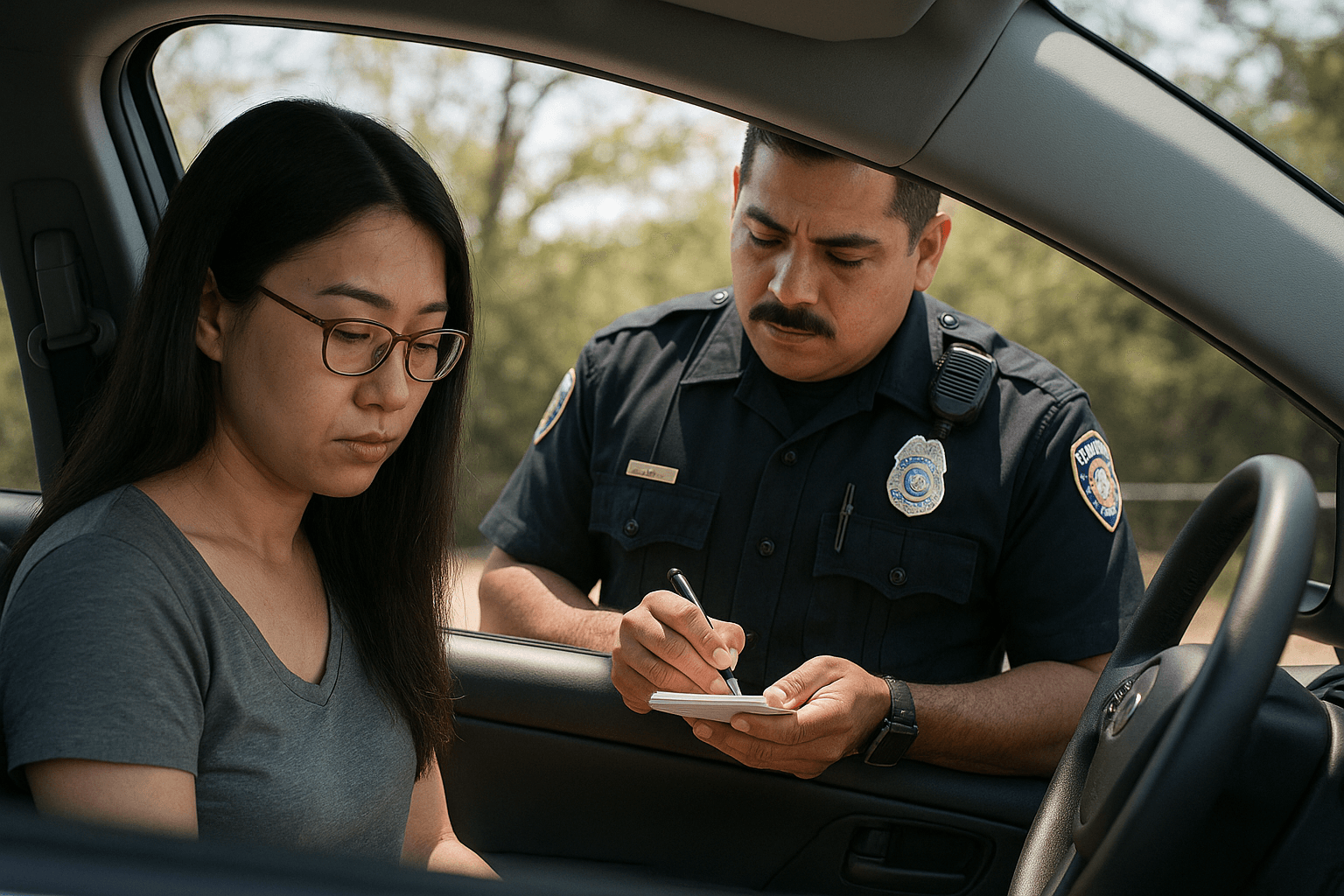
You were pulled over, cited under California Vehicle Code 16029 for driving without proof of insurance, and now a DMV notice arrived stating your license will be suspended in 30 days unless you provide proof of financial responsibility. The court citation and the DMV action are two separate tracks, handled by different agencies, with different deadlines and different consequences. Most drivers assume paying the court fine resolves everything — it does not.
The court citation carries a fine ranging from $360 to $880 for a first offense. That fine goes to the court. Separately, the DMV initiates an administrative suspension under Vehicle Code 16070 because you were caught operating a vehicle without valid insurance. This suspension stays in place until you provide an SR-22 certificate proving you now carry liability coverage and will maintain it for three years. Paying the court fine does not stop the DMV suspension; the two systems operate independently.
Compare car insurance rates in your state
Get quotes from licensed carriers — no obligation, no spam, results in minutes.
Get Your Free QuoteCalifornia SR-22 Filing Period
3 years
California requires SR-22 filing for three years following a no-insurance violation under VC 16070. The three-year clock starts the day the DMV receives your SR-22, not the citation date or conviction date. Allowing the SR-22 to lapse at any point during this period triggers immediate re-suspension.
California Vehicle Code §16070, §16074
Why the DMV Requires SR-22 Filing
SR-22 is not insurance. It is a certificate your insurance carrier files electronically with the DMV proving you carry at least California's minimum liability limits: $15,000 bodily injury per person, $30,000 bodily injury per accident, and $5,000 property damage. The SR-22 filing itself costs $15 to $25 as a one-time carrier administrative fee. Your insurer transmits the certificate to the DMV within 24 to 48 hours of purchase.
The DMV treats driving without insurance as a financial responsibility violation. Under California's Electronic Financial Responsibility (EFR) program codified in VC 16058, all insurers report policy issuances and cancellations electronically. When you were cited, the officer's report triggered a DMV cross-check showing no active policy on file. The DMV then issued a suspension order requiring you to prove financial responsibility before reinstatement. SR-22 is that proof mechanism.
If your SR-22 lapses at any point during the three-year monitoring period — because you miss a payment, switch carriers without transferring the filing, or cancel the policy outright — your carrier notifies the DMV electronically within 15 days. The DMV re-suspends your license immediately. There is no grace period. Reinstatement after a lapse requires filing a new SR-22 and paying the $55 DMV reissue fee again, and the three-year clock resets from the new filing date.
The court fine and the DMV suspension are separate enforcement tracks. Paying the court does not lift the DMV hold — only an SR-22 filing does.
How to Obtain SR-22 Filing in California
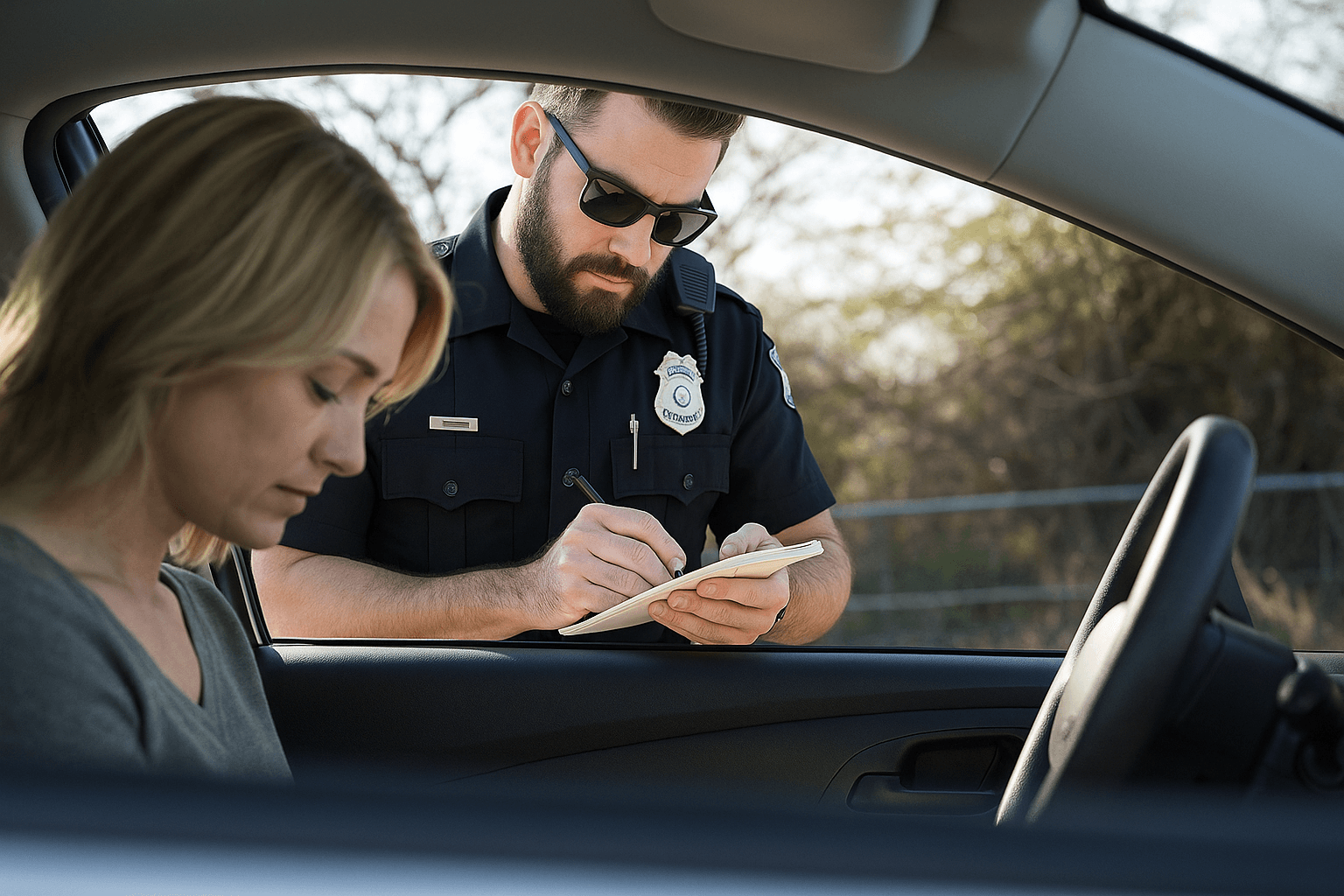
Contact a carrier licensed to write SR-22 policies in California. Not all carriers offer SR-22 — major preferred-tier insurers often decline high-risk filings. Non-standard carriers including Acceptance Insurance, Bristol West, Dairyland, Geico, Infinity, Kemper, National General, Progressive, and The General write SR-22 policies statewide. Request a liability-only quote if you do not own a vehicle or a full-coverage quote if you do. The carrier will ask for your driver's license number, citation details, and the effective date you need coverage to start. Provide accurate information — the DMV cross-references your filing against their suspension records electronically.
Once you purchase the policy, the carrier files the SR-22 certificate with the DMV electronically within one to two business days. You do not mail anything to the DMV yourself. The carrier transmits your policy number, coverage limits, and effective dates directly into the EFR system. The DMV processes the filing and lifts the suspension hold, typically within three to five business days of receiving the certificate. You will receive a reinstatement notice by mail confirming your driving privilege is restored. If the suspension has already taken effect, you must also pay the $55 DMV reissue fee online or at a field office before your license is valid again.
Related Articles
What SR-22 Insurance Costs After a No-Insurance Violation
Monthly premiums for SR-22 liability coverage in California after a no-insurance citation typically range from $85 to $190 per month, depending on your age, county, driving history beyond the citation, and the carrier you select. Younger drivers under 25 and drivers in densely populated counties including Los Angeles, San Francisco, and San Diego face the higher end of that range. The SR-22 filing fee itself — the one-time administrative charge the carrier assesses to submit the certificate — runs $15 to $25 and appears as a separate line item on your first invoice.
If you do not own a vehicle, request a non-owner SR-22 policy. Non-owner policies provide liability-only coverage when you drive a borrowed or rental car and satisfy the DMV's SR-22 requirement without insuring a specific vehicle. Non-owner premiums are lower than standard policies, typically $60 to $110 per month, because the carrier's exposure is limited to occasional use. You cannot drive a vehicle registered in your name under a non-owner policy — the DMV requires standard coverage if you own the car.
Premium estimates are based on available industry data; individual rates vary by driving history, vehicle, coverage selections, and location. Carriers reassess your rate at each renewal. After one year of continuous SR-22 coverage with no lapses or new violations, some carriers reduce your premium. The three-year SR-22 monitoring period does not prevent rate improvement if your record stays clean during that window.
California DMV Reissue Fee
$55
If your license suspension has already taken effect by the time the DMV receives your SR-22, you must pay a $55 reissue fee under California Vehicle Code 14904 before reinstatement is complete. This fee is separate from the SR-22 filing fee and is paid directly to the DMV, either online through the MyDMV portal or in person at a field office.
California Vehicle Code §14904
Failure Modes Most Drivers Miss
Switching carriers mid-filing period without transferring the SR-22 is the most common lapse trigger. When you cancel your current policy to move to a cheaper carrier, your original insurer notifies the DMV of the cancellation within 15 days. If your new carrier has not filed a replacement SR-22 before that notification hits the DMV system, the DMV treats it as a lapse and suspends your license again. Always confirm your new carrier has transmitted the SR-22 to the DMV before canceling your old policy. Request written confirmation of the filing date and keep it for your records.
Missing a single premium payment triggers the same lapse consequence. Carriers are not required to provide grace periods for SR-22 policyholders. Some do, but it is not guaranteed. If your payment is 10 days late and the carrier cancels for non-payment, they report the cancellation to the DMV immediately. The DMV does not care why your payment was late — the suspension is automatic. Set up autopay or calendar reminders tied to your billing cycle to avoid this failure point.
What to Do Right Now
If you have not yet been suspended, act within the 30-day window stated on your DMV notice. Contact a non-standard carrier licensed to write SR-22 policies in California and request a quote today. Provide your citation details and the effective date you need coverage to begin. Once the carrier files your SR-22 and the DMV processes it, the suspension hold is lifted and you avoid the $55 reissue fee entirely. If the 30-day window has already closed and your license is suspended, you will pay both the SR-22 premium and the $55 reissue fee, but the procedural steps remain identical: purchase coverage, confirm the carrier filed the SR-22, wait for DMV processing, then pay the reissue fee online or in person to complete reinstatement.