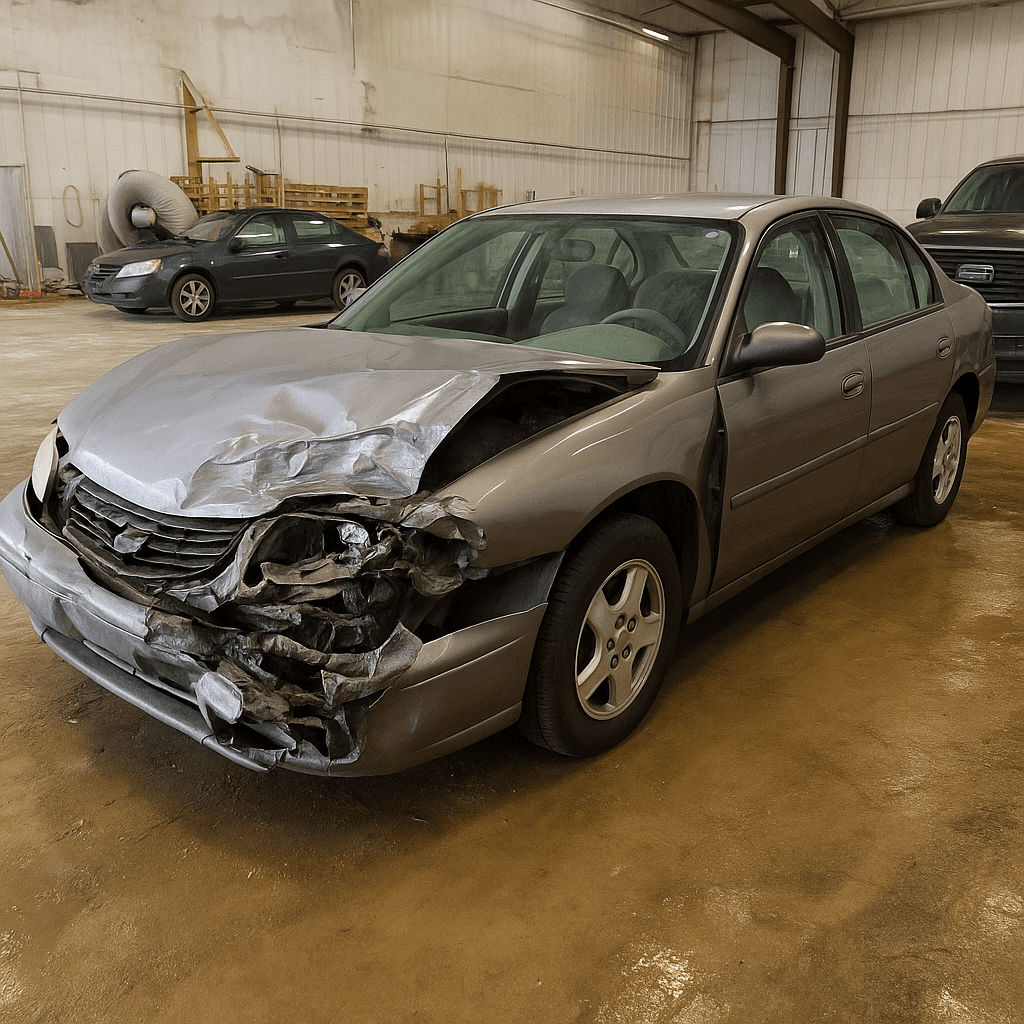
SR-22 Filing Does Not Require Full Coverage
You received notice from the California DMV that you need SR-22 filing to reinstate your license. You started getting quotes and noticed some carriers are quoting collision and comprehensive coverage alongside liability — pushing monthly premiums into $200–$300 territory when you expected $100–$150. You're wondering whether California requires full coverage for SR-22 filing or whether you can drop collision to bring the cost down.
California Vehicle Code §16430 requires proof of financial responsibility — an SR-22 certificate — after most DUI suspensions, negligent operator actions, and uninsured accidents. The SR-22 filing itself is attached to a liability policy meeting the state's minimum limits ($15,000 bodily injury per person, $30,000 per accident, $5,000 property damage). The DMV does not require collision or comprehensive coverage for reinstatement. Those coverages are optional and only required if you finance or lease your vehicle through a lender.
Compare car insurance rates in your state
Get quotes from licensed carriers — no obligation, no spam, results in minutes.
Get Your Free QuoteCalifornia SR-22 Minimum Liability
$15,000/$30,000/$5,000
California Vehicle Code §16056 sets the baseline liability limits required for SR-22 filing. Your policy must meet or exceed these amounts — the DMV will not accept lower coverage.
California Vehicle Code §16056
Why Quotes Include Full Coverage You Did Not Request
Carriers often quote full coverage by default for several reasons. First, if you financed or leased your car before the suspension, the lender requires collision and comprehensive coverage in the loan agreement regardless of your license status. Second, many carriers assume drivers own newer vehicles and pre-populate quotes with full coverage as the baseline. Third, some non-standard carriers bundle collision into their SR-22 policies to reduce their risk exposure — if you cause an accident they want to repair your vehicle before you abandon it, leaving them liable for an uninsured motorist claim from the other party.
The structural confusion arises because two separate requirements overlap: the DMV's SR-22 filing requirement (liability only) and the lender's full-coverage loan requirement (collision and comprehensive). If you own your vehicle outright with no loan or lease, you can drop collision and comprehensive and purchase liability-only SR-22 coverage. If you finance or lease, you must carry full coverage to satisfy the lender regardless of the DMV's lower threshold.
When you request a quote, clarify whether you own the vehicle outright. If you do, request liability-only SR-22 coverage explicitly. If the carrier pushes back, ask whether their SR-22 program requires bundled collision — some non-standard carriers have this restriction, in which case you shop a different carrier.
The DMV requires liability coverage meeting state minimums. The lender requires collision and comprehensive if you finance the vehicle. These are separate obligations — one does not automatically trigger the other.
Liability-Only SR-22 Premium Breakdown
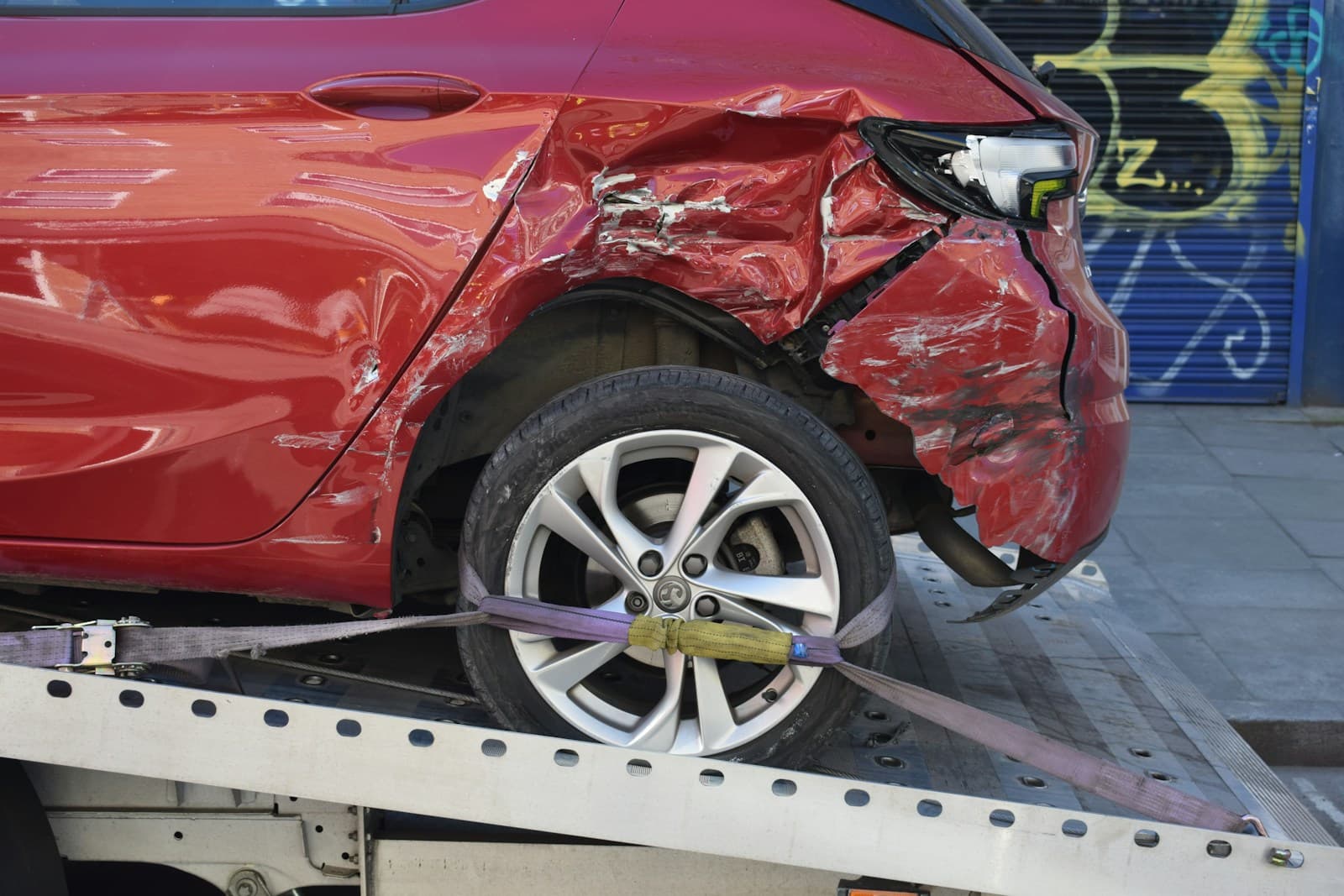
The base liability policy for a California driver with a DUI suspension typically costs $85–$140 per month depending on age, county, and carrier. Younger drivers (under 25) and drivers in Los Angeles, San Francisco, Oakland, and San Diego counties pay toward the higher end of the range. Drivers in rural counties (Shasta, Humboldt, Siskiyou) and drivers over 40 pay toward the lower end. Carriers writing high-risk SR-22 business in California include Geico, Progressive, The General, Dairyland, Bristol West, and Acceptance Insurance.
The SR-22 filing fee is a one-time charge ranging from $15–$50 depending on carrier. This fee covers the administrative cost of transmitting the SR-22 certificate to the DMV electronically. Most carriers file the SR-22 within 24–48 hours of policy purchase. The DMV receives the filing electronically and updates your record automatically — you do not need to submit paper documentation. The SR-22 filing period in California is 3 years from the date of reinstatement. If your policy lapses during the 3-year period, the carrier notifies the DMV and your license is re-suspended immediately.
Related Articles





Full Coverage SR-22 Premium Breakdown
If you finance or lease your vehicle and must carry full coverage, the premium increases significantly. Collision coverage adds approximately $60–$120 per month depending on your vehicle's value, deductible selection, and county. Comprehensive coverage adds approximately $30–$60 per month. A full-coverage SR-22 policy in California typically costs $175–$320 per month for a driver with a DUI suspension.
The deductible you select affects the monthly premium. A $500 collision deductible produces a higher monthly premium than a $1,000 deductible. If you own an older vehicle worth under $5,000, collision coverage may not be cost-effective — the maximum payout after the deductible may be less than the total premiums paid over the policy term. If you own the vehicle outright, drop collision and comprehensive and purchase liability-only coverage unless you can afford to replace the vehicle out-of-pocket after an accident.
Lenders do not accept liability-only coverage while a loan or lease is active. If you attempt to drop collision and comprehensive, the lender will force-place coverage at a much higher cost and add the premium to your loan balance. If you cannot afford full coverage, consider selling the financed vehicle and purchasing an older vehicle outright so you can carry liability-only SR-22 coverage during the 3-year filing period.
California Collision Premium Add
$90–$180/mo
Collision and comprehensive coverage combined add $90–$180 per month to a base liability SR-22 policy in California. The range depends on vehicle value, deductible, and county. Los Angeles and San Francisco drivers pay toward the higher end; rural counties pay lower.
Non-Owner SR-22 Option for Drivers Without Vehicles
If you do not own a vehicle but need SR-22 filing to satisfy California's reinstatement requirement, purchase a non-owner SR-22 policy. This policy provides liability coverage when you drive vehicles you do not own — borrowed cars, rental cars, or employer vehicles. The DMV accepts non-owner SR-22 filing for reinstatement after most suspensions including DUI, negligent operator, and uninsured accident cases.
Non-owner SR-22 policies cost $35–$75 per month in California depending on age, suspension trigger, and carrier. The SR-22 filing fee ($15–$50) applies in addition to the monthly premium. Carriers writing non-owner SR-22 policies in California include Geico, Progressive, State Farm, The General, and Dairyland. Non-owner policies do not include collision or comprehensive coverage because you do not own the vehicle being insured — the policy covers only your liability to third parties.
Compare SR-22 Carriers and Lock Rates Before Reinstatement
SR-22 premiums vary significantly by carrier even for identical coverage limits and driver profiles. Geico, Progressive, and State Farm typically offer lower rates for drivers with single DUI suspensions and no prior violations. The General, Dairyland, Bristol West, and Acceptance Insurance specialize in high-risk drivers and often offer competitive rates for drivers with multiple violations, suspended licenses, or negligent operator status. Request quotes from at least three carriers and compare monthly premiums, SR-22 filing fees, and payment plan options before purchasing.
Once you purchase a policy and the carrier files the SR-22 with the DMV, your reinstatement clock starts. California requires continuous SR-22 filing for 3 years. If you let the policy lapse for any reason — missed payment, cancellation, non-renewal — the carrier notifies the DMV within 10 days and your license is re-suspended immediately under Vehicle Code §16370. You must then pay a $125 reinstatement fee and refile SR-22 to restore driving privileges. Avoid lapses by setting up automatic payments and monitoring your policy renewal dates closely.