You Face a Longer Path After Your Second Violation
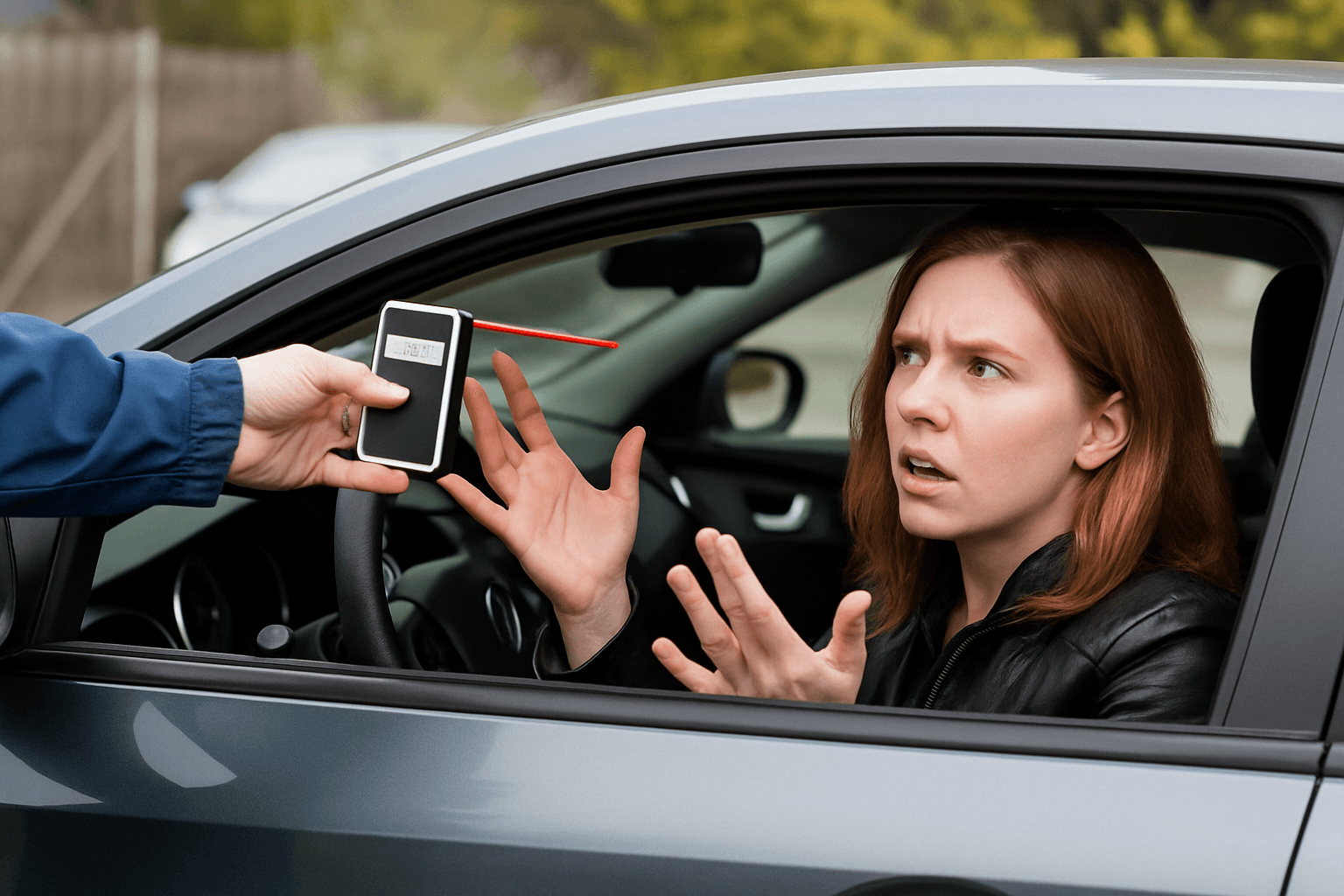
You received notice that your license is suspended after a second DUI, reckless driving conviction, or other major violation in California. You know you need SR-22 insurance to get back on the road, but the reinstatement process for a second offense is structurally different from what you faced after your first violation. The hard suspension period is longer, the ignition interlock device requirement extends further, and the carriers willing to write your policy are fewer.
California Vehicle Code Section 13352 separates first and subsequent DUI offenses into distinct administrative tracks. A second offense within 10 years triggers a 2-year mandatory license suspension with a 1-year hard period before you become eligible for a restricted license. During that year, no hardship option exists. The DMV counts offenses by arrest date, not conviction date, so a pending case you thought was still your first offense may already count as your second if the arrest fell within the 10-year window from your prior arrest.
Compare car insurance rates in your state
Get quotes from licensed carriers — no obligation, no spam, results in minutes.
Get Your Free QuoteSecond-Offense IID Requirement
2 years
California requires ignition interlock device installation for the full 2-year restricted license period following a second DUI. This is double the 1-year IID requirement for first offenses under Vehicle Code Section 13353.3. The device must remain installed and functional throughout the restriction period; removal or disconnection triggers immediate re-suspension.
California Vehicle Code Section 13353.3
The Second-Offense SR-22 Filing Window Starts Later
SR-22 insurance filing is required for reinstatement after a second DUI or major violation in California, but you cannot file it during the 1-year hard suspension period. The DMV will not accept SR-22 certificates until you reach the restricted license eligibility date. That means the 3-year SR-22 clock does not start running on your suspension date; it starts when you file, which is at minimum 1 year later.
Many drivers assume they should obtain SR-22 coverage immediately after suspension to get credit for time served. This is incorrect. Filing SR-22 early does not shorten your suspension. The DMV processes SR-22 certificates only when you apply for reinstatement or a restricted license, and applying before the 1-year mark results in denial. Your insurance carrier will accept payment and issue the certificate, but the DMV will not credit it.
The practical consequence: your total time under SR-22 obligation is 4 years minimum — 1 year hard suspension (no SR-22 accepted), then 3 years of active SR-22 filing measured from your restricted license approval. If you allow the SR-22 to lapse at any point during those 3 years, the clock resets and the DMV re-suspends your license immediately.
You cannot file SR-22 during the 1-year hard suspension. The 3-year SR-22 clock starts when you apply for your restricted license, not on your suspension date.
Which Carriers Write Second-Offense SR-22 Policies in California

Progressive, GEICO, The General, Bristol West, Acceptance, Dairyland, Infinity, and National General actively write SR-22 policies for second-offense DUI drivers in California. State Farm and other preferred-tier carriers typically decline second offenses or price them prohibitively. Mercury General and Farmers have regional underwriting variance; some offices write second offenses and others refer to surplus lines brokers. USAA writes SR-22 for eligible military members but restricts second DUI acceptances to case-by-case review.
Expect monthly premiums in the range of $180 to $320 for minimum liability coverage with SR-22 filing after a second offense, depending on age, county, and time since the violation. Carriers that specialize in high-risk drivers — The General, Bristol West, Acceptance — often price more competitively than standard carriers stretching into non-standard underwriting. If you own a vehicle, adding comprehensive and collision coverage raises premiums significantly; many second-offense drivers carry liability-only policies during the SR-22 period to control costs.
Related Articles



The IID Restricted License Is Your Only Hardship Option
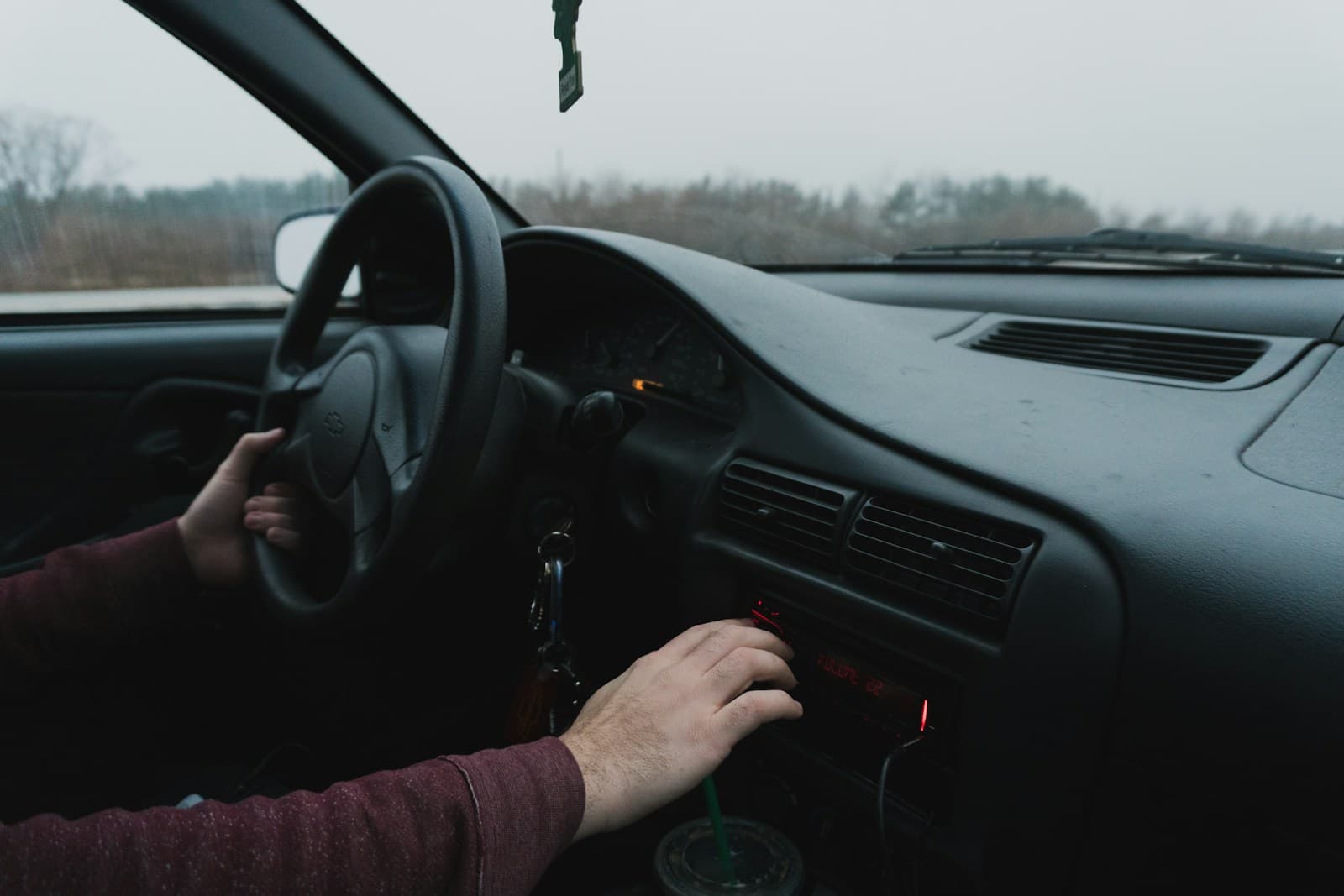
California does not offer a standard work-route restricted license for second-offense DUI suspensions. Your only path to driving during the 2-year restricted period is installation of an ignition interlock device. The IID requirement is mandatory, not optional, under Vehicle Code Section 13353.3 for all second and subsequent DUI offenses. You cannot argue hardship to avoid it.
The restricted license allows driving to and from work, during the scope of employment if your job requires driving, and to and from your DUI program. It does not permit personal errands, grocery trips, or transporting family members for non-work purposes. Violating the restriction — driving outside the permitted scope or attempting to operate the vehicle when the IID registers a fail — triggers immediate revocation of the restricted license and restarts your suspension clock from zero.
IID vendors approved by the California DMV include Intoxalock, LifeSafer, Smart Start, and Guardian Interlock. Installation costs range from $70 to $150; monthly monitoring and calibration fees run $60 to $90. The device requires calibration every 30 to 60 days at the vendor's service center. Missing a calibration appointment locks the device into a temporary fail mode, preventing the vehicle from starting until you complete the overdue service. Budget $85 to $110 per month for the IID on top of your SR-22 insurance premium.
California License Reissue Fee
$125
The DMV charges a $125 reissue fee when you apply for your restricted license after the 1-year hard suspension, and again when you reinstate your full license after completing the restricted period and SR-22 obligation. This is separate from the SR-22 filing fee your carrier charges and the DUI program enrollment fees. California Vehicle Code Section 14904 sets this as the baseline administrative reinstatement charge.
California Vehicle Code Section 14904
SR-22 Lapse Consequences Are Immediate After a Second Offense
If your SR-22 insurance lapses for any reason — non-payment, policy cancellation, switching carriers without maintaining continuous coverage — the DMV receives electronic notification within 24 hours under California's Electronic Financial Responsibility program. The DMV re-suspends your license immediately. No grace period exists. No warning letter precedes the suspension. Your driving privilege terminates the day the lapse is reported.
Reinstatement after a lapse requires filing a new SR-22 certificate and paying the $125 reissue fee again. The 3-year SR-22 clock does not pause during the lapse; it resets. If you had 18 months of SR-22 credit before the lapse, that credit is forfeited and you start a new 3-year period from the date of re-filing. This is the single most expensive procedural mistake second-offense drivers make.
Start Your SR-22 Comparison 90 Days Before Eligibility
You cannot file SR-22 during the hard suspension, but you can obtain quotes and select a carrier in advance. Start shopping 90 days before your restricted license eligibility date. Carrier acceptance and pricing vary significantly for second offenses, and the carriers offering the lowest rates change based on your county, age, and vehicle type. Comparing at least five carriers is standard practice in the non-standard market.
Request quotes from Progressive, GEICO, The General, Bristol West, and Acceptance as a baseline. If you are under 25 or over 65, add Dairyland and National General to the comparison. Provide your suspension notice, your restricted license eligibility date, and your vehicle VIN when requesting quotes. Carriers need these details to price accurately; generic online quote tools often underprice second offenses because they do not capture the full violation history until underwriting review.
Once you select a carrier, coordinate the SR-22 filing date with your DMV restricted license application. The SR-22 certificate must be on file with the DMV when you submit your application. Most carriers can issue and electronically file the SR-22 within 24 hours of binding coverage, but delays happen. Do not wait until the day of your DMV appointment to purchase the policy. Give yourself a 7-day buffer to ensure the certificate is filed and visible in the DMV system before you apply.