
You Need SR-22 Filing, Not Just Any Insurance
Your California license was suspended yesterday. You called three carriers and got quotes between $380 and $520 per month. You assumed all suspended drivers pay the same inflated rate. That assumption costs you thousands.
California requires SR-22 filing after specific suspension triggers: DUI, reckless driving, driving uninsured, and some negligent operator actions. SR-22 is a certificate your insurer files with the DMV proving you carry at least California's $15,000/$30,000/$5,000 minimum liability. Failure-to-appear suspensions and unpaid-fine suspensions under Vehicle Code §13365 do not require SR-22, but drivers often file anyway because carriers and DMV customer service representatives give conflicting advice. If DMV did not send you an SR-22 requirement notice, verify your trigger before paying for a three-year filing you may not need.
Compare car insurance rates in your state
Get quotes from licensed carriers — no obligation, no spam, results in minutes.
Get Your Free Quote3-Year Cost Difference
$9,720
A $180/month SR-22 carrier versus a $450/month carrier over California's mandatory three-year SR-22 period. The filing requirement starts the day DMV receives the SR-22 certificate, not the day you apply for reinstatement, so delays in securing coverage extend the back end of your filing window.
Which Carriers Write Suspended Drivers in California
California suspensions lock you out of preferred-tier carriers. State Farm writes SR-22 but typically declines suspended drivers during the active suspension period. Progressive writes SR-22 for post-reinstatement filings but underwrites suspended applicants case-by-case, often declining DUI within 12 months of conviction.
Non-standard carriers writing suspended California drivers: Bristol West ($140–$220/month for liability-only SR-22), Dairyland ($150–$210/month), The General ($160–$240/month), Acceptance Insurance ($170–$230/month), and Infinity ($180–$250/month). These carriers underwrite high-risk drivers as their core market. Geico writes SR-22 but declines most suspended applicants until reinstatement is complete. National General writes post-DUI but typically requires six months elapsed since conviction.
Rates vary by county. Los Angeles County and San Francisco County suspended-driver SR-22 premiums run 15–20% higher than Fresno or Sacramento County for the same coverage and violation history, driven by uninsured motorist rates and theft density. Quotes from the same carrier for the same driver profile can vary $60/month county-to-county. Get quotes with your exact ZIP code.
SR-22 lapse during your three-year filing period triggers immediate license re-suspension. DMV receives electronic notice within 24 hours of cancellation. No grace period exists.
How to Get the Lowest SR-22 Rate in California
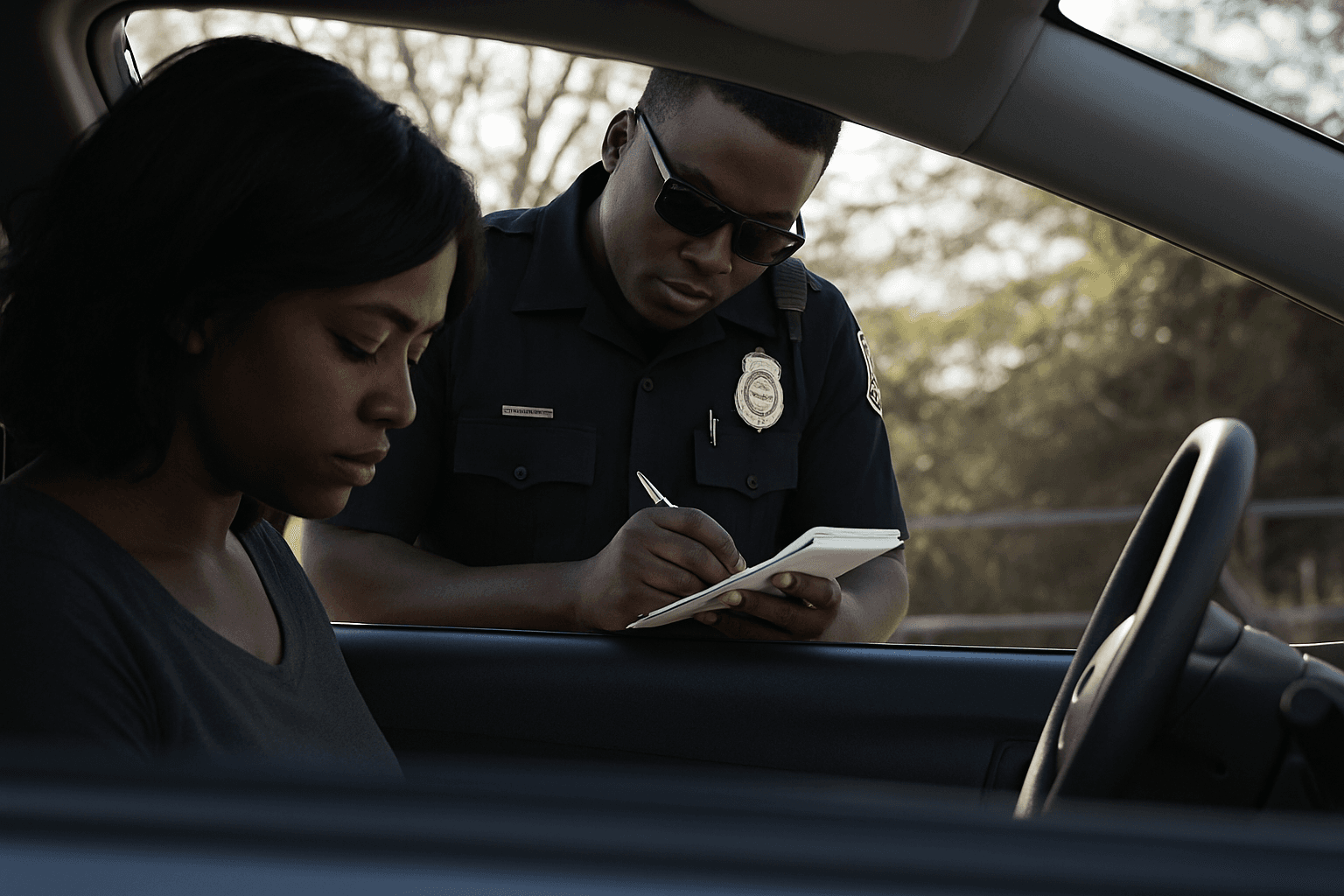
Start with Bristol West and Dairyland. Both write California suspended drivers in all 58 counties and both specialize in DUI and uninsured-trigger suspensions. Quote both carriers with identical coverage: California minimum liability ($15,000/$30,000/$5,000). Do not add collision, comprehensive, or higher limits until you see the base SR-22 rate. Bristol West typically comes in $10–$30/month cheaper than Dairyland in Southern California counties; Dairyland often beats Bristol West in Northern California and Central Valley markets. The General underwrites suspended drivers but prices 10–15% higher than Bristol West for the same risk profile in most counties.
If you do not own a vehicle, request non-owner SR-22 policies from Dairyland, The General, and Geico. Non-owner SR-22 satisfies California's filing requirement without insuring a specific car. Rates run $60–$120/month depending on violation and county. Geico writes non-owner SR-22 for suspended drivers more readily than standard owner policies. If you reinstate your license, drive a borrowed or rental car, and later buy your own vehicle, you will need to convert the non-owner policy to an owner policy and refile SR-22 under the new policy. The three-year clock does not restart unless you lapse.
Related Articles




SR-22 Filing Does Not Mean You Can Drive Yet
California separates SR-22 filing from driving privilege. SR-22 is proof you carry insurance. It does not reinstate your license. If your suspension is active, filing SR-22 today does not authorize you to drive tomorrow. You must satisfy all reinstatement requirements: complete any required DUI program, pay the $125 reissue fee under California Vehicle Code §14904, serve any hard suspension period, and wait for DMV to process reinstatement before your privilege to drive is restored.
DUI suspensions carry a 30-day hard suspension period before restricted license eligibility under Vehicle Code §13353.3. During those 30 days, no driving is permitted even with SR-22 on file. After the hard period, you can apply for a restricted license with ignition interlock device installed, which allows driving to work, DUI program, and within scope of employment. The restricted license requires active SR-22 throughout. If SR-22 lapses during restriction, DMV revokes the restricted license immediately and you return to full suspension.
For negligent operator suspensions triggered by point accumulation, DMV may require a reexamination including written and drive tests before reinstatement. SR-22 filing is required but does not waive the reexam. If you fail the reexam, your suspension continues and you keep paying SR-22 premiums while suspended. Verify your specific reinstatement requirements on your DMV suspension notice before assuming SR-22 alone gets you back on the road.
California SR-22 Filing Period
3 years
Measured from the date DMV receives the SR-22 certificate, not the date of your suspension or conviction. If you delay securing coverage by 60 days, your filing period ends 60 days later than it would have if you filed immediately. Lapse resets the clock: if SR-22 cancels in month 20, reinstatement requires a new three-year filing starting from the new certificate date.
California Vehicle Code §16070
What Happens If You Let SR-22 Lapse
California carriers report SR-22 cancellations to DMV electronically under the state's Electronic Financial Responsibility program. DMV receives notice within 24 hours. Your license is re-suspended the day the cancellation is reported, not 10 days later, not after a warning letter. No grace period exists.
If you miss a payment and your policy cancels, you have approximately 72 hours to reinstate the same policy or secure a new SR-22 policy with a different carrier before DMV processes the suspension. Most carriers allow reinstatement within 10 days of cancellation if you pay the past-due premium plus a reinstatement fee. If reinstatement is not possible, you need a new policy and new SR-22 filing immediately. The gap between cancellation and new filing extends your total SR-22 period by the number of days lapsed, and in some cases DMV restarts the full three-year clock.
Compare Carriers Before You Commit to Three Years
You are locked into SR-22 filing for three years. Switching carriers mid-period is allowed: the new carrier files SR-22, the old carrier cancels, and the clock continues uninterrupted as long as there is no gap. But every switch introduces lapse risk. If the new carrier delays filing by two business days and the old carrier cancels immediately, DMV sees a gap and re-suspends your license.
Get quotes from at least three non-standard carriers before you buy. Request identical coverage limits, identical policy start dates, and SR-22 filing confirmation in writing. Compare monthly premium, down payment, and payment plan terms. Some carriers require 20% down and monthly payments; others require two months up front. A $15 difference in monthly premium is $540 over three years. A carrier that lets you pay monthly with no penalty saves you from a lapse caused by a missed lump-sum payment six months in. The lowest advertised rate is not always the lowest total cost.