You Were Cited for Driving Uninsured—Now What
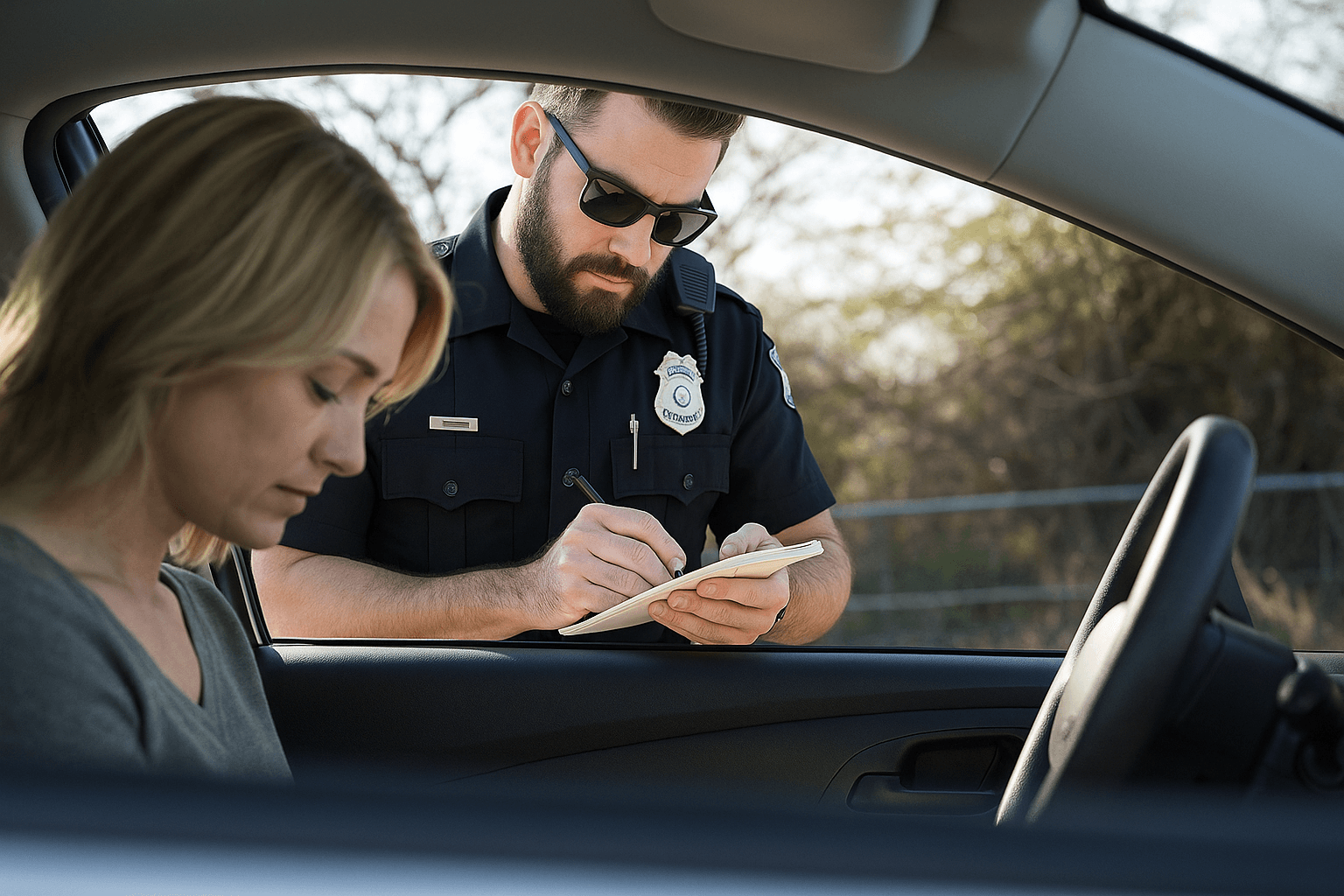
You were pulled over in California and cited under Vehicle Code §16029 for driving without insurance. The ticket itself carries a fine up to $900 for a first offense, but the real consequence hits your registration: the DMV will suspend your vehicle registration under CVC §16058 once your carrier (or lack of one) is reported through the Electronic Financial Responsibility (EFR) system. If you had an accident while uninsured, you face additional suspension under CVC §16070 and mandatory SR-22 filing for three years.
The confusion starts here: California does not automatically suspend your driver license for a no-insurance ticket. The state suspends your vehicle registration, making it illegal to drive that specific vehicle. Your license suspension follows only if the uninsured violation involved an accident, property damage, or injury—or if you fail to respond to DMV notices requiring proof of insurance. This distinction determines what insurance you need and how much you will pay.
Compare car insurance rates in your state
Get quotes from licensed carriers — no obligation, no spam, results in minutes.
Get Your Free QuoteCalifornia Registration Reinstatement Fee
$125
After your registration is suspended for driving uninsured, reinstating it requires paying a $125 fee to the DMV in addition to providing proof of insurance. This fee is separate from any court fines tied to the ticket itself.
California Vehicle Code §16058
Registration Suspension vs License Suspension
California's enforcement mechanism for insurance lapses is registration suspension under CVC §16058, not driver license suspension. When a carrier reports a policy cancellation through the EFR system and no replacement coverage appears, the DMV suspends the vehicle registration—not your driving privilege. You can still drive a different insured vehicle legally; you cannot drive the uninsured vehicle.
License suspension under CVC §16070 kicks in only when the uninsured violation involves an accident or when you ignore DMV proof-of-insurance requests. If you were cited for no insurance during a routine traffic stop with no accident, your license remains valid. If you were cited after causing an accident while uninsured, the DMV will suspend your license and require SR-22 filing for three years before reinstatement.
This matters because the insurance you need to buy depends on which suspension you face. Registration-only suspension requires standard liability coverage. License suspension after an uninsured accident requires SR-22 liability or non-owner SR-22 if you no longer have a vehicle.
If your no-insurance ticket did not involve an accident, you do not need SR-22 filing. Paying for SR-22 when registration-only suspension applies costs $40–$60/month more than necessary.
Cheapest Coverage Path by Vehicle Ownership
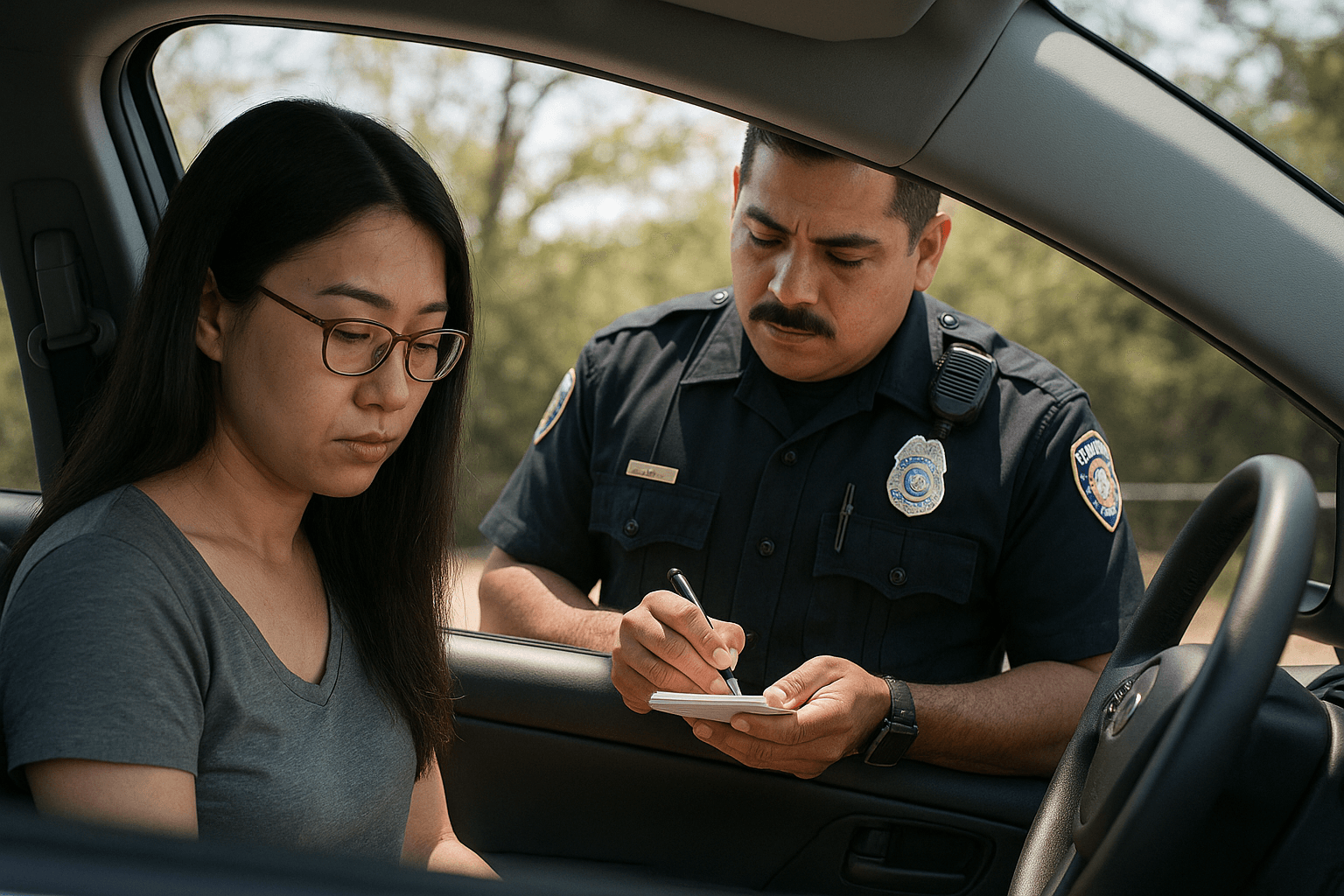
If you still own the vehicle and plan to drive it, standard liability coverage meeting California's minimum limits—$15,000 bodily injury per person, $30,000 per accident, $5,000 property damage—is the baseline. Non-standard carriers writing high-risk drivers in California offer liability-only policies starting at $95–$140/month for drivers with a recent no-insurance citation. Bristol West, Dairyland, Infinity, and The General all write post-violation coverage in California and quote online. Progressive and Geico write some applicants with recent tickets but may decline or surcharge heavily depending on your county and prior violations.
If you sold the vehicle, no longer drive, or cannot afford to insure a car, non-owner SR-22 policies provide proof of financial responsibility without insuring a specific vehicle. Non-owner liability covers you when driving a borrowed or rented car. Monthly premiums for non-owner policies in California after a no-insurance ticket typically run $140–$220/month. State Farm, Geico, Progressive, Dairyland, and The General all write non-owner SR-22 in California. This route costs more monthly but avoids comprehensive and collision premiums tied to an owned vehicle.
Related Articles
What Drives Premium Differences After a Ticket
Carriers tier drivers with recent no-insurance violations into non-standard or high-risk underwriting pools. Premiums reflect elevated risk: drivers cited for uninsured operation statistically file claims at higher rates than insured drivers. California allows carriers to surcharge for violations; no-insurance tickets typically add 30–50% to base rates for three years from the violation date.
County-level differences compound this. Los Angeles, San Francisco, Oakland, and Sacramento applicants pay 20–40% more than drivers in rural counties like Shasta or Siskiyou because claim frequency, theft rates, and uninsured motorist collision rates are higher in metro areas. Your age, prior violations, and credit-based insurance score (legal in California as of 2025) further segment pricing. A 25-year-old with one ticket pays substantially less than a 19-year-old with the same violation.
Non-standard carriers compete harder on price than standard-tier carriers for this pool. Bristol West specializes in high-risk California drivers and underwrites cases Geico and State Farm decline outright. Dairyland and Infinity operate entirely in the non-standard segment. Shopping at least three non-standard carriers produces the widest rate spread—differences of $40–$70/month are common for identical coverage.
California Liability Premium After No-Insurance Ticket
$95–$180/mo
Non-standard liability-only premiums for California drivers with a recent no-insurance citation range from $95/month in rural counties to $180/month in metro areas like Los Angeles and San Francisco. Rates reflect county claim density, prior violations, and carrier underwriting tier.
Carrier rate filings reviewed across non-standard tier (Bristol West, Dairyland, Infinity, The General)
How to Reinstate Registration After the Ticket
To lift a registration suspension under CVC §16058, you must provide proof of insurance to the DMV and pay the $125 reinstatement fee. Proof is submitted electronically by your carrier through the EFR system—you do not mail certificates. Once the carrier files proof, the DMV processes reinstatement within 3–5 business days. You can check suspension status and fee balance online through the California MyDMV portal.
If your license was also suspended under CVC §16070 because the ticket involved an accident, reinstatement requires three additional steps: SR-22 filing maintained for three years, payment of a $55 license reissue fee per CVC §14904, and clearing any outstanding court fines tied to the ticket. The SR-22 must remain active for the full three-year period; if your policy lapses, the DMV re-suspends your license immediately and the three-year clock restarts from the new filing date.
Compare Carriers Who Write After No-Insurance Tickets
Start with non-standard carriers who underwrite post-violation cases as core business. Bristol West, Dairyland, Infinity, and The General all accept online quotes for California drivers with recent no-insurance tickets. Quote all four—rate spreads between them can exceed $50/month for identical liability limits. Progressive and Geico write some applicants with tickets but decline others based on county and violation count; submit applications to both as fallback options if non-standard quotes come back high.
If you need non-owner SR-22, start with State Farm, Geico, and Progressive—all three write non-owner policies statewide and file SR-22 electronically. Dairyland and The General also write non-owner SR-22 but may price higher in metro counties. Request quotes from at least three carriers. Non-owner SR-22 premiums vary by $60–$90/month across carriers for the same driver profile, and the lowest rate shifts by county and age bracket.