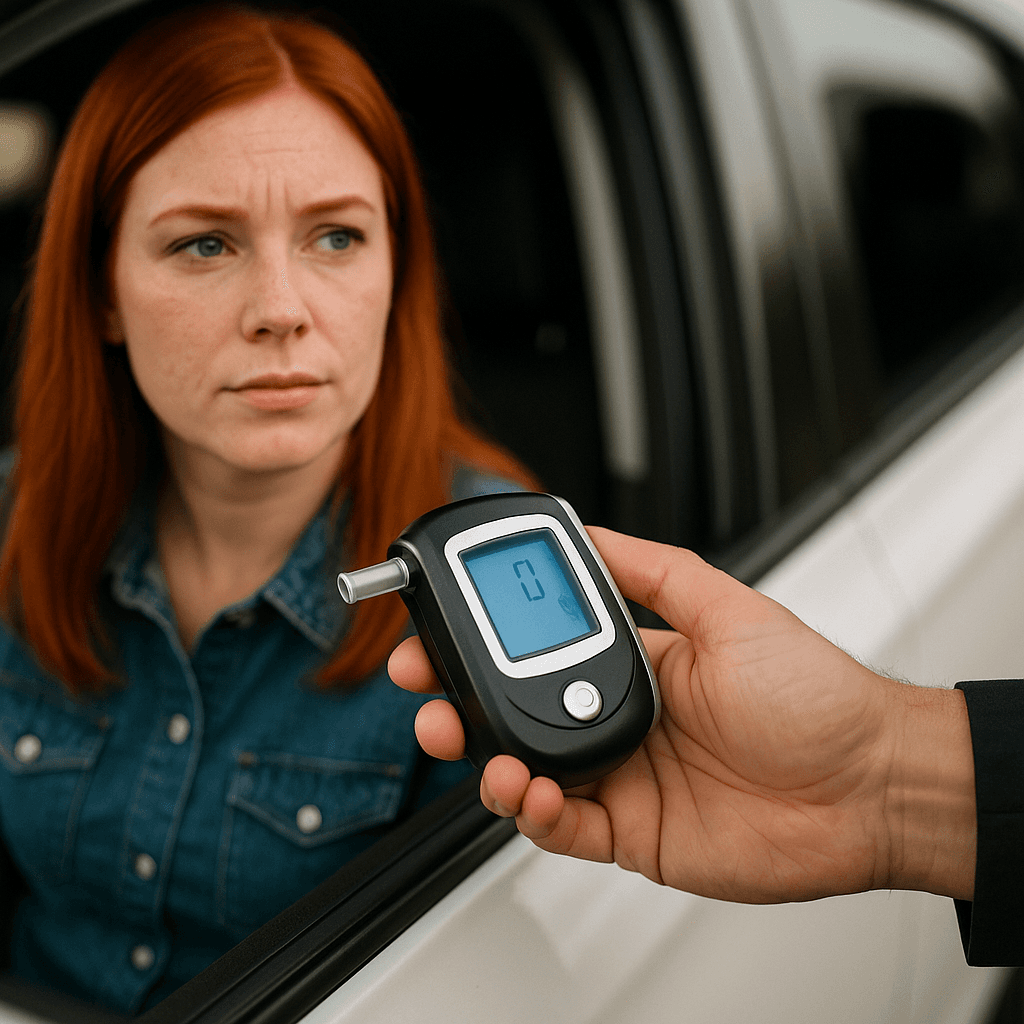
The DMV Suspended You Before Court Did
You refused the breathalyzer. The officer told you your license would be suspended. Ten days later, you received a notice from the California DMV—not the court—stating your driving privilege is suspended in 30 days under the Administrative Per Se program. No judge has convicted you of DUI. No court hearing has happened. But the DMV suspension is real, it starts in 30 days from the arrest date, and it requires SR-22 insurance filing to reinstate.
California operates two parallel suspension systems for DUI arrests: the DMV's administrative suspension under Vehicle Code §13353 (triggered by breathalyzer refusal or BAC over 0.08%), and the court's criminal conviction-based suspension under §13352. They run independently. Refusing the breathalyzer at the time of arrest triggers the administrative track immediately, regardless of what happens in criminal court. The DMV does not wait for conviction. You face both suspensions simultaneously, and you must satisfy reinstatement requirements for each separately.
Compare car insurance rates in your state
Get quotes from licensed carriers — no obligation, no spam, results in minutes.
Get Your Free QuoteCalifornia Refusal Suspension Period
1 year
First-offense breathalyzer refusal under Vehicle Code §13353.1 carries a mandatory 1-year administrative license suspension. This is longer than the standard 4-month suspension for failing the breathalyzer with a BAC over 0.08%. Refusal is treated as an aggravating factor.
California Vehicle Code §13353.1
SR-22 Filing Is Required for Administrative Suspension
The DMV requires an SR-22 certificate of financial responsibility for reinstatement after an administrative per se suspension, whether the underlying trigger was refusal or a failed test. SR-22 is not insurance—it is a document your insurer files with the DMV certifying you carry at least California's minimum liability coverage: $15,000 per person bodily injury, $30,000 per accident bodily injury, $5,000 property damage. Most standard carriers (State Farm, Allstate, Farmers) will non-renew your policy after a DUI arrest or administrative suspension. You will need to move to a non-standard or high-risk carrier that writes SR-22 filings.
SR-22 filing must remain active for 3 years from the reinstatement date per California Vehicle Code §16070. If your SR-22 lapses during that period—because you cancel the policy, miss a payment, or switch carriers without continuous coverage—the DMV is notified electronically within 15 days and your license is re-suspended immediately. You start the 3-year clock over from zero.
The cost impact is significant. California drivers moving from a standard carrier to a non-standard SR-22 carrier typically see monthly premiums increase from approximately $95/month to $220–$380/month, depending on age, county, and violation history. Carriers writing breathalyzer refusal cases in California include Bristol West, Dairyland, Geico, Progressive, The General, National General, Infinity, and Acceptance. Not all carriers treat refusal the same way—some price it equivalently to a DUI conviction, others price it slightly lower because no BAC evidence exists.
You have 10 days from the APS notice to request a DMV administrative hearing to contest the suspension. Missing the 10-day window waives your right to challenge it.
How to Reinstate After Breathalyzer Refusal Suspension
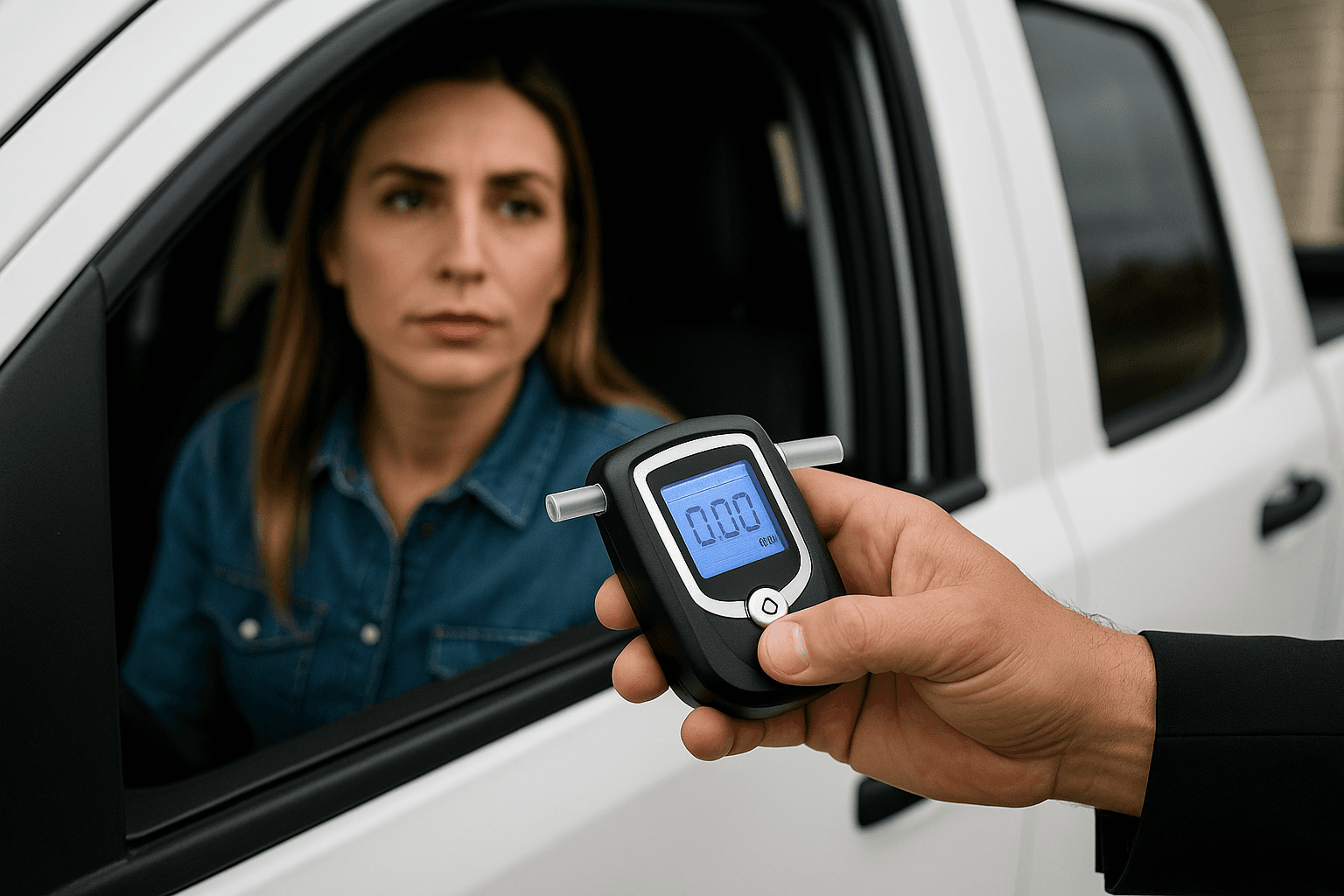
Under California's statewide IID program (Vehicle Code §13353.3), drivers suspended for breathalyzer refusal may apply for a restricted license after completing the mandatory hard suspension period. For first-offense refusal, the hard suspension is the full 1 year—you cannot obtain a restricted license during this time. After the year ends, you may apply for reinstatement by filing SR-22, paying the $125 DMV reissue fee, and installing an ignition interlock device. The IID must remain installed for the duration specified by the DMV, typically 12 months for first offenses.
If you refuse to install the IID, you cannot obtain a restricted license and must serve the full suspension period before applying for unrestricted reinstatement. Even after the suspension ends, the DMV still requires SR-22 on file for 3 years from the reinstatement date. The $125 reissue fee is paid directly to the DMV; it is separate from any SR-22 filing fee your insurer charges (typically $15–$50 at policy inception).
Related Articles



Non-Owner SR-22 If You Do Not Have a Vehicle
If you do not own a vehicle but need to reinstate your California driver's license after a breathalyzer refusal suspension, you can satisfy the SR-22 requirement with a non-owner SR-22 policy. Non-owner policies provide liability coverage when you drive a vehicle you do not own—borrowed cars, rental cars, employer vehicles. They do not cover a car you own or regularly use. The DMV accepts non-owner SR-22 filings for reinstatement as long as the policy meets the state's minimum liability limits.
Non-owner SR-22 policies are significantly cheaper than standard SR-22 policies because they carry lower risk. California non-owner SR-22 premiums for drivers with breathalyzer refusal suspensions typically range from $45–$95/month, compared to $220–$380/month for a policy covering an owned vehicle. Carriers writing non-owner SR-22 in California include Dairyland, Geico, Progressive, State Farm, The General, and Bristol West. Not all non-standard carriers offer non-owner policies—some specialize in owned-vehicle coverage only.
You cannot use a non-owner policy to satisfy an IID-restricted license requirement if the DMV mandates IID installation. The ignition interlock device is installed in a specific vehicle. If you need a restricted license with IID, you must have access to a vehicle in which the device can be installed, and that vehicle must be insured with an SR-22 policy naming you as a driver.
California DMV Reissue Fee
$125
California Vehicle Code §14904 sets the $125 reissue fee as the baseline administrative charge for most suspension reinstatements, including breathalyzer refusal cases. This fee is in addition to any court-ordered fines, DUI program costs, or SR-22 filing fees your insurer charges.
California Vehicle Code §14904
Court Conviction Adds a Second Suspension Layer
If the criminal DUI case proceeds and you are convicted in court, the court imposes a separate criminal conviction-based suspension under Vehicle Code §13352. This suspension runs concurrently with the administrative suspension, but reinstatement requirements apply to both. You must satisfy the DMV's administrative reinstatement conditions and the court's criminal reinstatement conditions independently. The court may order additional DUI education program completion (typically a 3-month or 9-month program depending on BAC and prior offenses), additional fines, and additional probation terms. The SR-22 filing satisfies both the DMV and court insurance requirements, but you cannot reinstate from one suspension and ignore the other.
In cases where the criminal charge is reduced to a wet reckless (Vehicle Code §23103.5) or dismissed entirely, the administrative suspension remains in effect. The DMV does not reverse an administrative per se suspension based on a court's criminal case outcome. You still serve the full refusal suspension period, you still must file SR-22, and you still must satisfy DMV reinstatement conditions even if the court dismisses the DUI charge or reduces it to a lesser offense.
Compare Carriers Writing Breathalyzer Refusal Cases
Not all carriers writing SR-22 in California accept breathalyzer refusal cases at the same rate tier. Bristol West, Dairyland, Infinity, and The General specialize in high-risk drivers and typically offer the most competitive rates for refusal suspensions. Geico and Progressive write SR-22 filings but may place you in a higher-priced tier if the refusal appears on your MVR alongside other violations. State Farm writes SR-22 but rarely offers competitive pricing for drivers with administrative suspensions—they prefer clean or minor-violation drivers. Acceptance Insurance writes refusal cases but availability varies by county and underwriting appetite shifts periodically.
Request quotes from at least three carriers. Rates vary by $80–$150/month for the same driver profile depending on the carrier's underwriting model. Some carriers price breathalyzer refusal equivalently to a DUI conviction (BAC 0.08% or higher), others price it 10–20% lower because no BAC measurement exists on record. Your county, age, vehicle type, and whether you bundle renters or other coverage also affect the final premium. Compare monthly premium, SR-22 filing fee, down payment requirement, and cancellation terms before committing. The cheapest monthly rate is not always the cheapest total cost if the carrier front-loads fees or requires higher down payments.